


New NDIS plan: your first 30 days, in order
A new plan arrives and nothing tells you what to do first. Here is the order we work through with families in South West Sydney, and the two mistakes that cost the most.
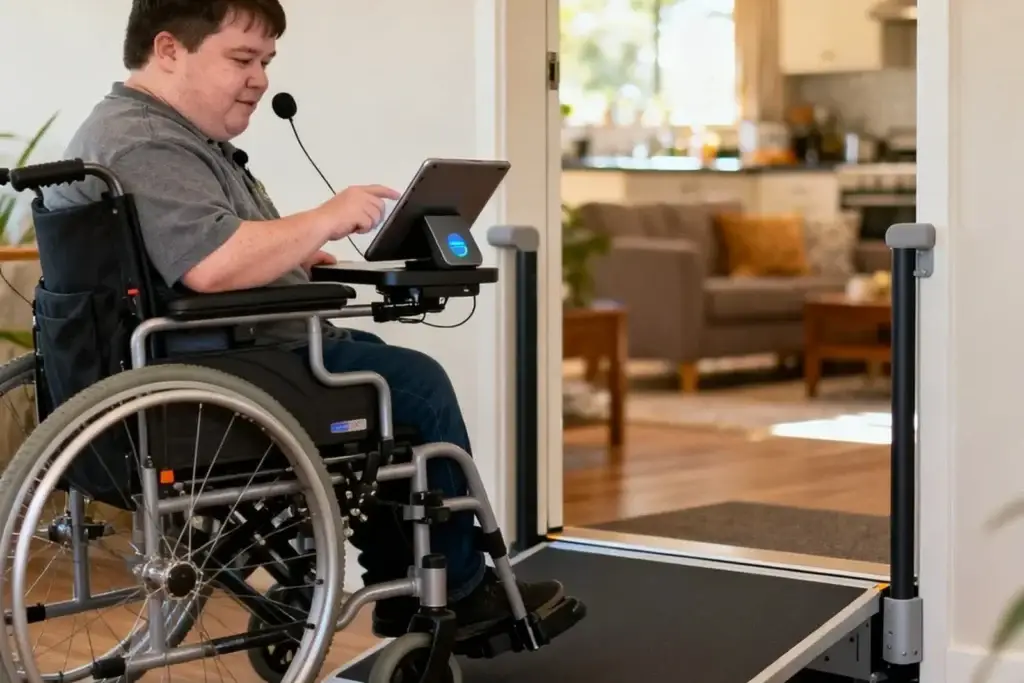
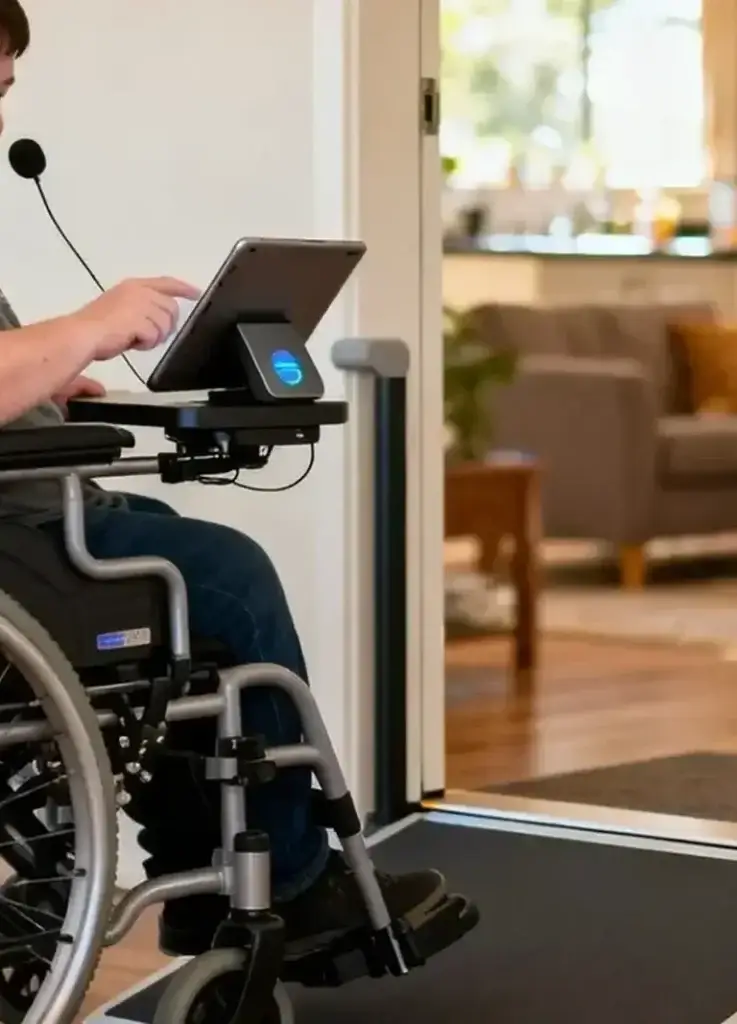
NDIS assistive technology covers far more than wheelchairs and walking aids. It includes home modifications, communication devices, mobility equipment, and the training that makes each piece actually work in your family member’s daily life. The real worry isn’t whether the equipment exists—it’s whether the provider who installs it will show up consistently, understand how it fits into routines, and stay available when adjustments are needed. That reliability matters more than the equipment itself.
When a support worker understands both the technology and the person using it, the mechanism shifts from “here’s your new device” to “here’s how this fits your Tuesday morning routine. ” Home & Mobility Solutions works because it combines equipment selection with ongoing training and adjustment. The worker doesn’t disappear after installation. They return, observe what’s working, troubleshoot what isn’t, and advocate for modifications that respect how your family member actually lives. This continuity is what transforms equipment into genuine independence.
In practice, that looks like a qualified support worker meeting your family member multiple times—not once. They assess the space, source the right equipment, install it with dignity, then train both your family member and you on how to use it safely. When your NDIS plan includes assistive technology funding, the worker helps navigate what’s approved and what adjustments might be needed later. You’re not managing the provider relationship alone. The team becomes part of your extended support network, showing up consistently and treating your family member as a capable adult deserving respect.
NDIS assistive technology under $1,500 can feel like a maze when you’re trying to work out what’s actually funded and what counts as a consumable. The question families ask us most often is simple: “Will the NDIS pay for this, and how do we get it? ” That’s exactly where we start.
Here’s what matters. Consumables are items the NDIS funds that get used up or worn out over time. Think grip-strengthening tools, lightweight walking aids, transfer boards, or communication devices you’ll replace regularly. The $1,500 threshold isn’t a hard cap—it’s the point where the NDIS typically treats something as a consumable rather than equipment requiring formal assessment. That changes how fast you can access it and how straightforward the paperwork becomes.
What we hear from families in South West Sydney is that the real confusion isn’t about the price tag. It’s about whether their family member actually needs the thing, whether it’ll actually work in their home, and whether someone reliable will help them set it up and show them how to use it properly. A wheelchair ramp drawing on paper doesn’t help anyone. A walking frame sitting in a cupboard because nobody explained how to adjust it doesn’t either.
That’s why at Guia, our Home & Mobility Solutions service starts with understanding what your family member is actually trying to do—get to the kitchen safely, move around their bedroom independently, or communicate more easily during the day. We work with you to identify the right NDIS assistive technology, help navigate the funding process, and then stay involved to make sure the equipment works in your real life, not just in theory.
If you’re weighing up what to fund in your NDIS plan and want someone who understands both the scheme and your family’s day-to-day reality, enquire about support with us. We’ll walk through your options together.
Let’s picture what NDIS assistive technology support actually looks like in practice. Your brother uses a wheelchair and wants to stay in his own place. His NDIS plan includes funding for home modifications and equipment. A Guia support worker, Maria, visits every Tuesday afternoon at 2 pm. She’s reliable—same time, same person, every week.
This week, Maria arrives with a handrail installer. They’ve spent the last month planning where grab rails need to go in the bathroom and hallway. Your brother chose the placement himself. Maria watches the installation, takes notes, and checks with him: does the height feel right? Can he grip it comfortably? She photographs everything so you and your brother have a record. Before she leaves, she walks through the space with him twice, practising the new route to the toilet. No rush. Just steady, practical support.
Next Tuesday, Maria brings a personal mobility equipment specialist; your brother’s old walking frame doesn’t fit through the kitchen doorway anymore. They measure, discuss options, and order a narrower frame that still gives him the stability he needs. Maria explains the funding process in plain language—what the NDIS covers, what the timeline looks like, what happens if adjustments are needed later. She writes it down for you both to keep.
Between visits, Maria sends a quick text: the handrail supplier confirmed Friday delivery, and she’s arranged for someone to be there. She asks if your brother wants her present that day. He does. She shows up. The installer questions a measurement. Maria refers back to your brother’s original choice and advocates for what he asked for, not what’s easiest.
That’s NDIS assistive technology support that works. Consistent. Respectful. Focused on what your brother actually needs to live the life he’s chosen. If this sounds like the kind of support you’re after, enquire about support and we’ll talk through what’s possible for your family.
Many families think NDIS assistive technology over $15,000 needs approval from the NDIA before they can even explore what might work. That’s not quite how it happens. The scheme does require specialist assessment for higher-cost equipment, but that assessment is part of the planning process, not a barrier before it starts.
Here’s what that looks like in practice. When a participant or family identifies a need—say, a customised wheelchair or home modification that will cost more than $15,000—the next step is a formal assessment by a qualified specialist. That specialist looks at the participant’s goals, their home environment, their current abilities, and what the equipment or modification would actually enable them to do. The assessment report then informs the NDIS plan conversation, giving the NDIA clear evidence of why that investment makes sense.
What we hear from families is relief when they understand this isn’t a gatekeeping step. It’s a planning step. The assessment protects everyone: it makes sure the right equipment gets chosen, that installation is safe and sustainable, and that the participant gets genuine benefit. It also protects your NDIS funding by matching the solution to the actual need.
At Guia, we help families navigate this process as part of our Home & Mobility Solutions support. We work with you to identify what assistive technology or home modification might help, connect you with the right assessor, and then support the conversation with your support coordinator or planner about how it fits into your plan. We’ve been supporting participants across South West Sydney for two years, and we know how to translate specialist reports into plain language so you feel confident about the decision.
If you’re wondering whether a particular piece of equipment or home modification might be right for your family member, that’s the conversation to start. When you’re ready, get in touch and we’ll walk you through what happens next.
Home & Mobility Solutions is NDIS-funded support that helps you modify your home and get the right equipment so daily life works better. It includes assistive technology, home modifications, and personal mobility equipment—all chosen and planned around what matters to you and your family member.
Assistive technology covers devices and tools that build independence. A wheelchair, walking frame, or transfer board. A shower chair, grab rails, or a communication device. Hearing loops, voice-activated controls, or adapted kitchen equipment. The goal is simple: the right tool in the right place makes everyday tasks safer and less exhausting for everyone involved.
Home modifications are physical changes to your home. Ramps, widened doorways, accessible bathrooms, improved lighting for someone with low vision. Handrails in hallways. A bedroom moved downstairs. These aren’t cosmetic—they’re about dignity and safety. A modification planned well respects your routines and your home as it’s, not forcing you to fit around the changes.
What Home & Mobility Solutions does NOT include: medical treatment, therapy outcomes, or clinical advice. We’re not diagnosing or treating conditions. We’re solving the practical question: what equipment or change makes this person’s home safer and more accessible right now?
Here’s what matters: every piece of equipment comes with training and ongoing support. You’re not left figuring it out alone. We work with you to choose what actually fits your life, then help you use it confidently. That’s where the real independence comes from—not just having the tool, but knowing how to use it and feeling supported while you do.
If your family member needs equipment or home changes to move around more safely, or if daily tasks feel harder than they should, that’s where we start the conversation. When you’re ready, enquire about support and we’ll talk through what might help.
NDIS assistive technology funding sits across three main support categories, and understanding which one applies to your family member helps you plan with confidence. Core Supports cover day-to-day equipment and modifications you’ll use regularly — things like mobility aids, communication devices, or home access ramps. Capacity Building Supports help develop skills or independence over time. And if your family member lives in shared supported accommodation, SIL funding can include assistive technology as part of their everyday living setup.
What matters most is that you — and your family member — get to choose which equipment and modifications actually fit your life. The NDIS funds the tools; you decide what works. That might mean a wheelchair, a standing frame, communication software, grab rails, or a combination tailored to their routines and goals. Your support coordinator can walk through what’s available and what your plan covers, but the choice stays with you.
Here’s what that looks like in practice. A family member might need a communication device to connect at work or school — that’s often Core Support funding. Someone moving into their own place might need home modifications and mobility equipment alongside daily support — that’s where SIL or accommodation-related funding kicks in. Another person might want to build confidence using equipment independently, which sits under Capacity Building.
The tricky part isn’t the funding categories — it’s making sure the equipment actually gets delivered, installed properly, and maintained over time. That’s where we come in. We assess what your family member needs, source the right equipment, arrange installation, and provide training so they can use it safely and confidently. We handle the logistics so you don’t have to chase multiple providers.
If you’re unsure whether your plan covers what you’re after, or you want to explore options, get in touch. We’ll talk through your situation, explain what’s available, and help you make a choice that feels right for your family.
When you’re choosing NDIS assistive technology and home modifications, it helps to know exactly what you control and what sits outside the support. Here’s the clarity you need.
What’s your call:
At Guia, we listen to what you’re after and work at your pace. We don’t push you toward equipment you don’t need or modifications that don’t fit your routines. Our team includes Spanish-speaking and Arabic-speaking support workers, and we can arrange Auslan interpretation if that matters to you. We match you with someone who gets your situation, not just someone available.
What’s outside this support:
What we do is turn your plan into reality. We assess your space, source the right equipment, arrange installation, and train you to use it safely. We show up when we say we will. We respect your home as your space, not ours to reorganise.
When you’re ready to explore what NDIS assistive technology and home solutions could look like for you, enquire about support. We’ll walk you through the options without pressure.
If your family member uses hearing aids or FM systems, NDIS assistive technology support can cover equipment, fitting, maintenance, and training. The question isn’t whether these devices are funded—they usually are—but whether you have practical support to use them well.
A common signal is when hearing aids arrive but nobody’s quite sure how to change the batteries, clean them, or troubleshoot when they stop working. That’s where NDIS assistive technology support steps in. A support worker can show your family member how to care for their device, replace batteries, and recognise when they need professional servicing. It’s the difference between owning equipment and actually using it confidently every day.
Another practical situation is when an FM system (a wireless device that helps someone hear in noisy spaces like classrooms or community groups) has been recommended but feels overwhelming to set up. Some families need hands-on help learning how the system pairs with hearing aids, how to charge it, and when to use it. If that sounds familiar, Home & Mobility Solutions can bridge that gap. Your family member stays in control—the support worker is there to build their confidence and independence, not take over.
It’s also worth check-ing whether your current NDIS plan already includes funding for this kind of assistive technology support. Many plans do, and you may not need to wait for a plan review. If you’re unsure, a quick conversation with your support coordinator or with us can clarify what’s available and whether it fits what your family needs right now.
When you’re ready to explore whether NDIS assistive technology support would help your family member, we’re here to listen and explain your options in plain language. Enquire about support and let’s work through it together.
Maya is a 34-year-old autistic adult living in Bass Hill with her mother. She’d always struggled with sensory overwhelm in her bedroom — fluorescent overhead lighting triggered migraines, and the standard door handle was painful to grip on difficult mornings. Her NDIS plan included funding for assistive technology and home modifications, but Maya and her mum weren’t sure where to start or what was actually possible.
Guia’s Home & Mobility Solutions team met with them to listen first. They asked about Maya’s daily routines, what times of day were hardest, and what small changes might make the biggest difference. No pressure to spend the full budget or do everything at once. Within two weeks, they’d installed warm LED lighting Maya could dim from her bed, replaced door handles with lever-style ones she could operate without pain, and added a weighted blanket rail to her wardrobe. Simple changes, but they meant Maya could get ready for the day without needing her mum’s help as often.
The team trained both Maya and her mum how to use and maintain each piece of equipment. They checked in after a month to see what was working and what needed tweaking. When Maya decided she wanted to try a standing desk for her computer work, they sourced one that fit her space and showed her how to adjust it safely.
What mattered most to Maya’s mum was knowing someone reliable would follow through. Guia showed up on time, listened to what Maya actually needed rather than what they thought she should want, and treated her like someone capable of making her own choices. That consistency and respect made all the difference.
If your family member needs NDIS assistive technology or home modifications tailored to their daily life, we’re here to help. When you’re ready, enquire about support and we’ll work through your options together.
NDIS assistive technology for cognitive support, reminders, and sensory tools sits within your NDIS plan’s Core Supports category. This covers equipment and technology that help with daily living, communication, memory, routine management, and sensory regulation. The NDIS uses a price guide to set fair costs for different types of equipment and assistive technology across Australia.
When you’re planning what cognitive support apps, reminder systems, or sensory tools your family member needs, the NDIS looks at what will genuinely help them manage their day. A visual timetable app, a wearable reminder device, noise-cancelling headphones, or fidget equipment all count. The funding isn’t based on diagnosis — it’s based on what the participant actually uses and needs to participate in daily life.
Here’s what that looks like in practice; your support coordinator will work with you to identify which tools matter most. The NDIS then approves funding based on the price guide rate for that specific item or software licence. Some participants need one tool; others need a combination. The plan covers the cost of the equipment, and sometimes training on how to use it effectively.
What we hear from families is that the real value comes when the technology is matched to the person. A sensory tool that works brilliantly for one autistic adult might not suit another. That’s why we take time to understand what actually fits into your family member’s routine and what they’ll actually use. If a tool isn’t working after a few weeks, we can help adjust or explore alternatives.
If you’d like to talk through which NDIS assistive technology might help your family member, or you’re unsure how to fund something you’ve identified, we’re here to help. Get in touch with us to discuss your situation.
When you call Guia, you’re talking to someone who knows the NDIS assistive technology landscape in South West Sydney. That first conversation is straightforward — we ask what’s happening at home, what’s not working, and what your family member needs to feel safer or more independent. No jargon, no pressure. Most calls take 15 to 20 minutes.
After that chat, we match you with a support worker who fits; if your family speaks Arabic, Spanish, or Auslan, we prioritise that match. If routines matter — and they often do — we listen to that too. We’re NDIS-registered and all our staff are qualified and worker-screened, so you know who’s coming into your home.
Before the first visit, we’ll confirm the time and what to expect. We show up on time, every time. That first session isn’t about rushing into equipment or modifications. We walk through your home with you, understand the layout, the daily routines, and where NDIS assistive technology could actually make a difference. A wheelchair ramp that works for your garden. A grab rail in the right spot. A walking aid that fits their height and grip strength. The goal is practical — make daily life easier and safer.
From there, we plan together. If your family member needs personal mobility equipment like a wheelchair or walking aid, we source it, arrange training so everyone knows how to use it safely, and handle maintenance. If home modifications are the answer, we manage the whole process — assessment, funding coordination, and delivery. We respect your routines and your home.
It’s worth knowing that we don’t rush this. Good support takes time to set up right. When you’re ready to start, contact us and we’ll walk you through exactly what happens next.
Before you commit to any NDIS assistive technology provider, it’s worth asking some direct questions. These help you understand how they work, whether they’ll be reliable, and if they’re the right fit for your family member’s needs and your own peace of mind.
At Guia, we believe consistency and respect matter. We match support workers with care for cultural and linguistic fit, show up reliably, and treat every participant as a capable adult deserving dignity. If these questions resonate with what you’re looking for, enquire about support and we’ll walk you through how we work.
When you’re choosing NDIS assistive technology and home modification support, not every provider will match your family’s needs or values. Some red flags show up quickly if you know what to look for; watch for these warning signs during your conversations with potential providers.
Guia builds NDIS assistive technology support around consistency and respect. Our team stays with families long-term, speaks your language, and trains you properly on every piece of equipment we install. We plan modifications alongside you, not for you. When you’re ready to talk, enquire about support and we’ll match you with someone who gets your family.
When NDIS assistive technology support is working well, you’ll notice the same support worker turning up consistently. That familiarity matters. Your family member settles faster, remembers how to use equipment without starting from scratch each time, and the worker understands their routines and preferences without needing to ask twice.
Regular check-ins between visits are another clear sign things are on track. The support worker asks how the equipment is performing at home, listens to what’s actually working and what isn’t, and brings suggestions based on what they’ve observed. You’re not left wondering if anyone is paying attention. Communication flows both ways.
Watch for your family member’s priorities leading the decisions. Are they choosing which equipment matters most to them? Is the support worker helping them build confidence using it, rather than just delivering and disappearing? Real empowerment looks like your family member feeling more in control of their own space and daily routines. They’re not dependent on the worker to remember how things work.
Finally, notice the practical changes in daily life. Getting in and out of bed becomes easier. Showering feels safer. Moving around the house is less exhausting. These aren’t dramatic transformations—they’re the small, steady improvements that free up energy for the things your family member actually wants to do. The equipment fits their life, not the other way around.
If these signs are missing—if workers change frequently, communication drops away, or your family member’s voice isn’t shaping the support—that’s worth raising. Good NDIS assistive technology support is built on consistency, genuine listening, and your family member’s agency. If you’re looking for that kind of partnership in South West Sydney, enquire about Guia’s Home and Mobility Solutions and let’s talk about what matters to your family.
Your NDIS plan is yours to direct. If Home & Mobility Solutions support isn’t meeting your needs or your family member’s needs, you have clear options. Choice and control sit at the heart of the scheme, and that includes the right to change direction.
Start with the provider directly. If something isn’t working—a support worker isn’t showing up on time, equipment hasn’t arrived as promised, or the approach doesn’t fit your routine—tell them. A good provider listens and acts. Ask to speak with a manager if the first conversation doesn’t move things. Request a different support worker if the match isn’t right. These conversations often resolve things quickly.
If direct feedback doesn’t lead to change, you can escalate formally with the provider or move your funding to another registered NDIS provider. You don’t need permission to switch. Your support coordinator can help you explore alternatives and manage the transition smoothly. At Guia, we’re confident in the consistency and care we bring—but we respect that the right fit looks different for every family.
For concerns about a provider’s conduct or compliance, the NDIS Quality and Safeguards Commission handles complaints and investigates breaches of the NDIS Code of Conduct. They’re independent and exist to protect participants and families.
If you’re considering Home & Mobility Solutions with Guia and want to know more about how we work, what consistency looks like in practice, or how we match support workers to participants and families, get in touch. We’re happy to answer your questions at your pace.
Choosing NDIS assistive technology can feel overwhelming. There are so many options—wheelchairs, walking aids, communication devices, home automation—and it’s hard to know which ones actually fit your family member’s life and budget.
What we hear from families is that they want someone who listens first and sells second. Someone who understands that the right piece of equipment isn’t always the fanciest one. It’s the one that actually gets used, fits into daily routines, and gives your family member real independence or dignity.
Here’s what that looks like in practice with Guia. We start by asking you and your family member what you’re trying to solve. Is it getting in and out of bed safely? Moving around the house without pain? Communicating more easily? Once we understand the real problem, we can talk through equipment options that make sense for your situation, your home, and your NDIS plan. We also arrange training and maintenance, so the equipment keeps working and your family member stays confident using it.
We’re NDIS-registered and our team includes staff trained in personal mobility equipment, home modifications, and assistive technology matching. Many families in South West Sydney have found us through word-of-mouth from other families or their support coordinators—people who’ve experienced our approach firsthand and trusted us enough to recommend us.
If you’d like to talk through what NDIS assistive technology might look like for your family member, whenever you’re ready, enquire about support. We can walk you through the options without pressure, answer your questions about funding and equipment, and help you feel confident about the next step.
A new plan arrives and nothing tells you what to do first. Here is the order we work through with families in South West Sydney, and the two mistakes that cost the most.
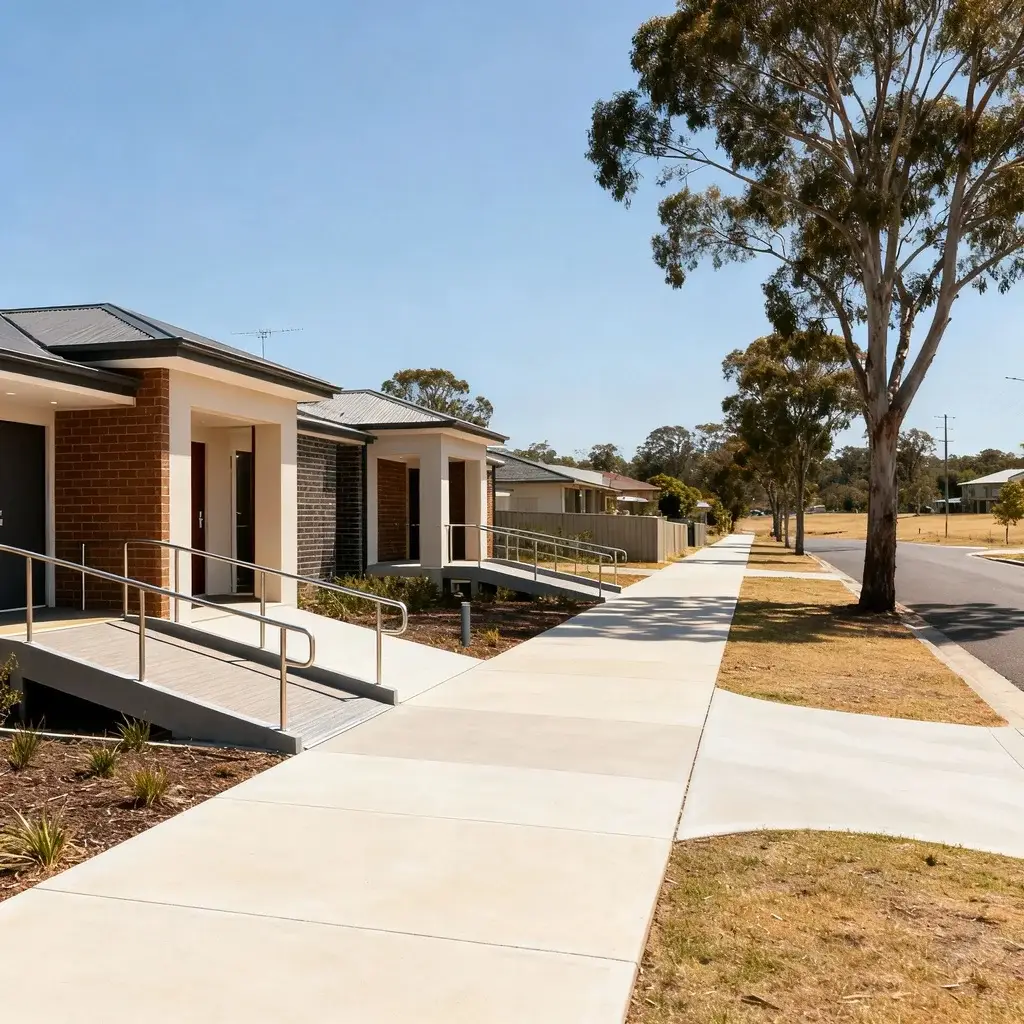
Aged care at home South West Sydney from Guia. Reliable support workers who show up consistently and become part of your family’s everyday routine.
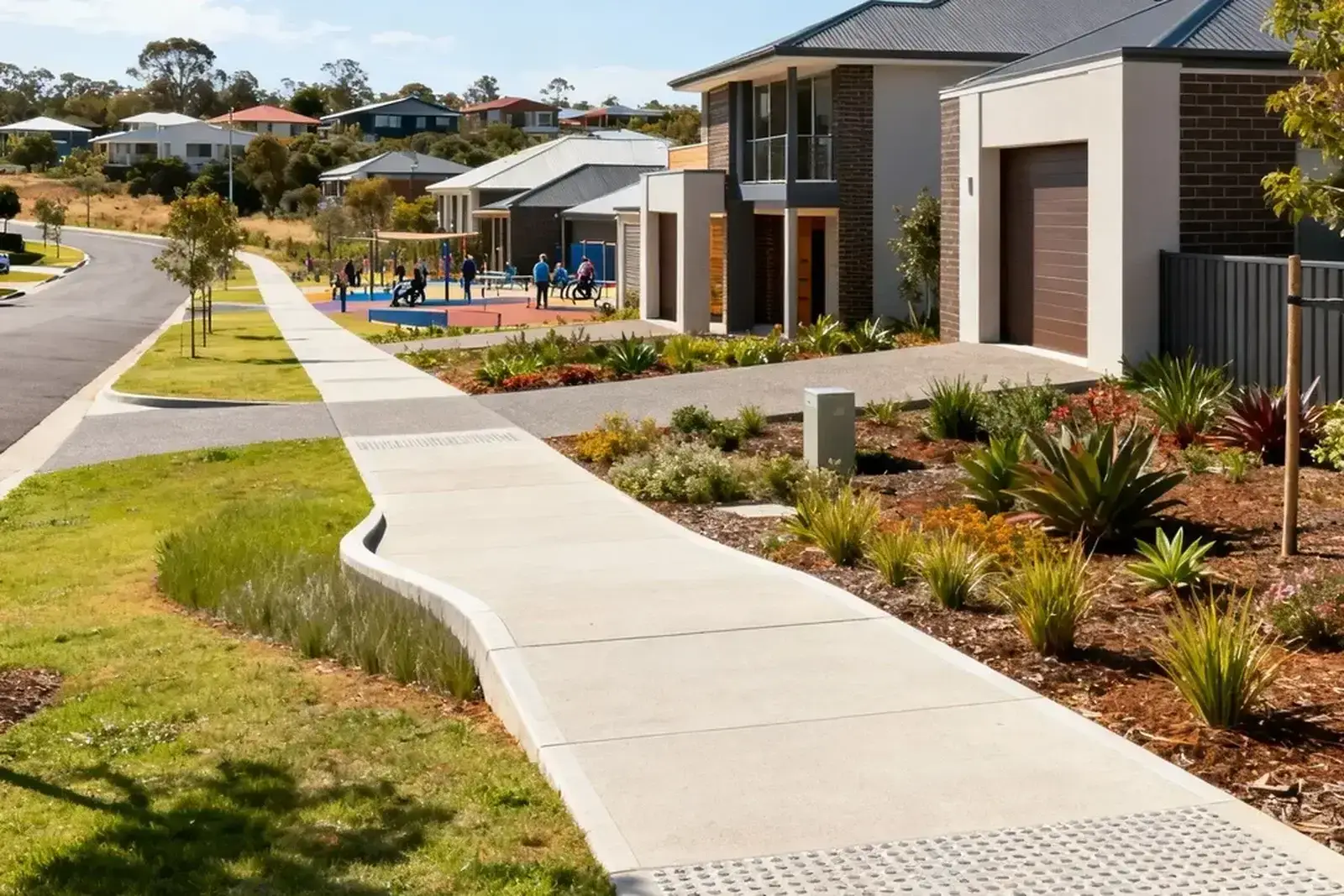
NDIS allied health support sydney from Guia. Reliable support workers who show up consistently and become part of your family’s circle. Peace of mind fo…
The Home Modifications and Mobility Decision Guide
How to access NDIS home modifications and mobility equipment — without losing months to assessments or buying the wrong solution.
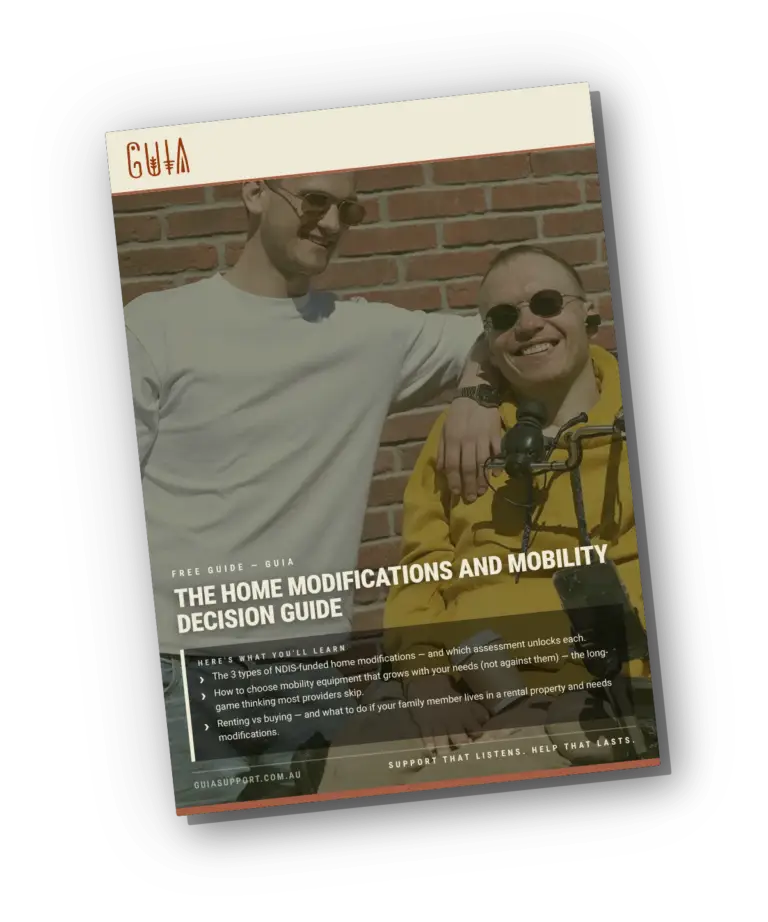
Here's What You'll Learn:
The 3 types of NDIS-funded home modifications — and which assessment unlocks each.
How to choose mobility equipment that grows with your needs (not against them) — the long-game thinking most providers skip.
Renting vs buying — and what to do if your family member lives in a rental property and needs modifications.
ARE YOUR NDIS SUPPORTS WORKING FOR YOU?
GET A FREE NDIS PLAN MANAGEMENT REVIEW