
Support Coordination South West Sydney
Support Coordination South West Sydney: Your NDIS Guide
Your Guide to Support Coordination South West Sydney
Support Coordination South West Sydney
Support Coordination South West Sydney: Your NDIS Guide
Your Guide to Support Coordination South West Sydney

ARE YOUR NDIS SUPPORTS WORKING FOR YOU?
GET A FREE NDIS PLAN MANAGEMENT REVIEW
Many NDIS service pages talk about participants in the third person; this can make you feel like a project, not a person. For families in South West Sydney, it can be frustrating. You want to feel confident in the support your loved one receives. Support Coordination South West Sydney should address both these needs. It should help you feel heard, respected, and empowered. The NDIS framework is designed to put you in control. You deserve a clear and consistent experience.
The core mechanism of effective Support Coordination is clear communication. It connects your NDIS plan to the right services. This process ensures your voice is central. For families, it means transparent updates and consistent support. We work to find services that match your specific goals. This helps avoid misunderstandings and delays. A good coordinator acts as your reliable guide. They simplify complex NDIS processes. They make sure everyone stays informed.
In practice, this means we listen to you first. What are your goals? What does your family need? We then help you find suitable local providers. Perhaps you are looking for specific support in areas like Canterbury or Cumberland. Our team helps you understand your choices. We ensure consistent, dignified support. This builds confidence for you and your family. Our team offers support in English, Arabic, Spanish, and Auslan. This helps ensure clear understanding for everyone.
Many NDIS service pages talk about participants in the third person; this can make you feel like a project, not a person. For families in South West Sydney, it can be frustrating. You want to feel confident in the support your loved one receives. Support Coordination South West Sydney should address both these needs. It should help you feel heard, respected, and empowered. The NDIS framework is designed to put you in control. You deserve a clear and consistent experience.
The core mechanism of effective Support Coordination is clear communication. It connects your NDIS plan to the right services. This process ensures your voice is central. For families, it means transparent updates and consistent support. We work to find services that match your specific goals. This helps avoid misunderstandings and delays. A good coordinator acts as your reliable guide. They simplify complex NDIS processes. They make sure everyone stays informed.
In practice, this means we listen to you first. What are your goals? What does your family need? We then help you find suitable local providers. Perhaps you are looking for specific support in areas like Canterbury or Cumberland. Our team helps you understand your choices. We ensure consistent, dignified support. This builds confidence for you and your family. Our team offers support in English, Arabic, Spanish, and Auslan. This helps ensure clear understanding for everyone.
The NDIS Plan Navigation Guide
How to get the most out of your NDIS plan with Level 2 Support Coordination — without losing time to paperwork or pushy providers.
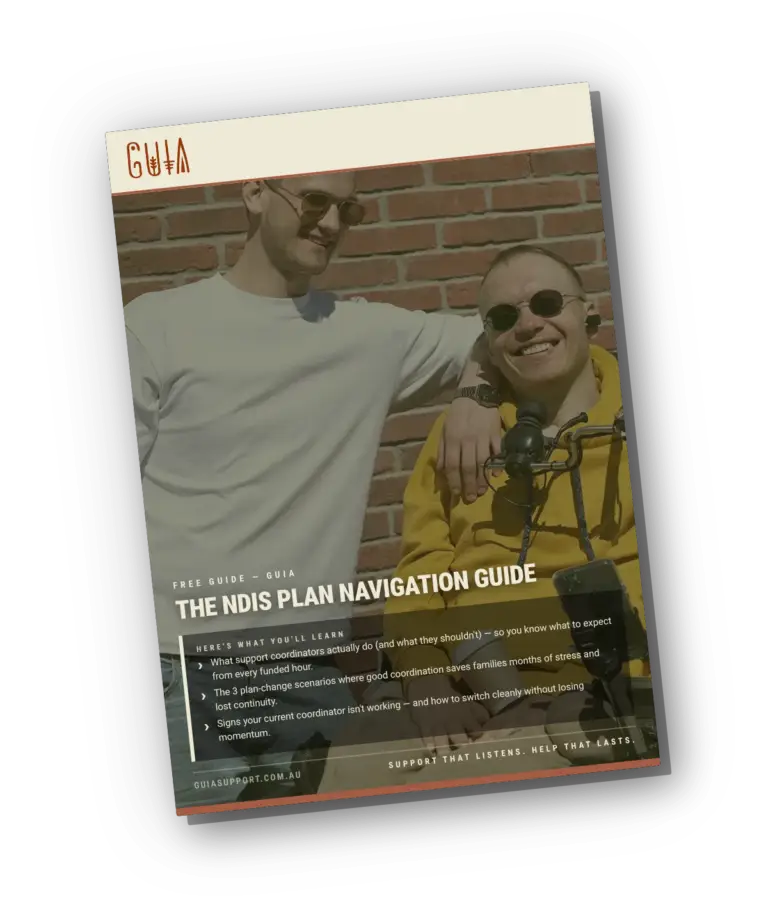
Here's What You'll Learn:
What support coordinators actually do (and what they shouldn't) — so you know what to expect from every funded hour.
The 3 plan-change scenarios where good coordination saves families months of stress and lost continuity.
Signs your current coordinator isn't working — and how to switch cleanly without losing momentum.
Table of Contents
Support Services South West Sydney
Level 2 Support Coordination
Level 2 support coordination helps you understand and use your NDIS plan; we connect you with the right services that fit your goals. This makes managing your supports much clearer and less stressful for your family.
Level 3 Specialist Support Coordination
Level 3 Specialist Support Coordination helps participants facing complex challenges navigate their NDIS plan. We connect you with a skilled coordinator who understands your unique situation. This ensures you find the right services and providers, reducing stress for participants and their families.
Psychosocial Recovery Coaching
Psychosocial recovery coaching helps participants navigate mental health challenges. A dedicated coach works with you to set goals and build coping strategies. This support empowers you to take charge of your wellbeing and daily life. It helps families feel confident in their loved one’s progress.
Why your NDIS plan feels overwhelming
Finding your way through NDIS plans can feel like a maze; you want to make your own choices. Your family wants to ensure you get the right support. It can be hard to connect your plan to services in South West Sydney.
Imagine having a clear path forward. You and your family can understand your plan together. We help you find services that truly fit your life. This means you feel more in control, every day.
Read More - Want to see what good support coordination looks like
A good Support Coordination experience in South West Sydney begins with understanding your unique situation. We know you want to direct your own NDIS plan, making choices that truly fit your life. For families and carers, finding support that respects this independence, while also ensuring reliability and safety, is key. The NDIS — National Disability Insurance Scheme can feel complex, but it doesn’t have to be overwhelming.
What we hear from families is a desire for consistency. You want to know that the support worker arriving speaks the participant’s language, whether that’s English, Arabic, or Spanish. This cultural and linguistic matching builds trust and makes everyday interactions more natural. It ensures everyone feels heard and understood, rather than merely managed.
Our approach ensures that support is built around your individual goals, not a predefined service menu. We start by listening to what you want to achieve and what feels important. This means the activities you choose, for example, for community access, are genuinely interesting to you. It’s about empowering your choices, giving you control over your supports.
Working with Guia, you can expect a dedicated coordinator to help you connect with the right services. This includes assistance with daily personal activities, ensuring dignity and respect in every interaction. We also guide you through life stage transitions, providing practical help during significant changes. Our NDIS-registered team ensures every support aligns with your plan and preferences.
we’re here to provide clear, calm guidance through your NDIS journey. Our team is NDIS Code of Conduct compliant and deeply understands the local South West Sydney community. Let us help you find the reliable, dignified support you deserve.
How support coordination helps you
Finding a support worker who truly understands your needs, or your family member’s needs, can feel overwhelming. It often means explaining yourself over and over again. You want someone who listens to your choices and respects your routine, not just someone ticking boxes.
Imagine having a team that gets it from the start; they speak your language, both literally and figuratively. This means less frustration and more time focusing on what truly matters to you, building connections and independence.
Read More - Come talk through what could work for your NDIS plan
Understanding your NDIS plan and connecting with the right supports can feel overwhelming. That is where experienced Support Coordination South West Sydney makes a real difference; we approach each person as an individual, respecting your choices and priorities. We ensure your voice guides the decisions about your supports, while also providing reassurance to your family members.
You deserve to feel heard and empowered in your NDIS journey. We work alongside you to translate your plan into practical, everyday supports that truly reflect your goals. For family members, this means peace of mind, knowing that the person you care for is receiving reliable and consistent assistance from a team that truly understands their needs.
Our role involves more than just finding providers. We help you build skills to understand and use your plan effectively, connecting you to services that align with your lifestyle. This includes exploring options for NDIS — National Disability Insurance Scheme services that help you live independently or participate more in your community, always with your preferences at the forefront.
We believe in building lasting relationships, matching you with support workers who understand your communication style and cultural background. Whether you’re looking for assistance with daily living or exploring community activities, we help ensure continuity. Our team is multilingual, offering support in English, Arabic, and Spanish, to bridge any communication gaps. This ensures you and your family feel fully understood.
Choosing Guia means choosing a partner committed to your dignity and empowerment. We focus on practical, consistent support that builds confidence for you and provides security for your family. Start a conversation with us today about how we can guide you through your NDIS plan.
The cost of managing your NDIS plan alone
Trying to understand your NDIS plan can feel overwhelming; it’s hard to tell what funding is for. You might feel uncertain about how to use your plan to get the supports you need. Families often worry about making the wrong choices.
Imagine finding clear answers. You can connect with support workers who truly understand your goals. This means feeling more in control of your daily life. Your family can feel confident in the support you receive.
Read More - Get a clear plan that fits your week and your family's needs
Understanding your NDIS plan can feel like a fulltime job; in South West Sydney, Guia’s Support Coordination helps you cut through the complexity. We focus on connecting you with services that truly match your goals. This means less time trying to figure out the system and more time living your life. For families, this offers peace of mind, knowing their loved one’s plan is in capable hands. We ensure every step aligns with your vision for support.
You and your family member deserve to feel heard and respected. Our approach to Support Coordination in South West Sydney is all about partnership. We don’t just “provide” services; we support you to make informed choices. Imagine having a trusted guide who speaks your language, literally and figuratively. This collaborative style helps you confidently direct your NDIS journey. It builds your independence, not just your reliance on us.
A key part of effective support is clear communication. Guia offers multilingual team members who can assist in English, Arabic, Spanish, and Auslan. This ensures that you and your family can discuss your needs comfortably. We help identify and connect you with suitable providers, ranging from daily living assistance to community participation. Our goal is to make the NDIS work for you, not the other way around; this helps you build real connections and confidence.
Our experienced team helps you understand the different support categories within your plan. This includes practical supports like In-home Daily Living & Personal Care Support. We also assist with Community Access & Social Participation, helping you engage with your local area. We work to ensure your chosen activities are participantled, not imposed. Your plan should reflect your actual life and aspirations. Learn more about the NDIS on the NDIS official site.
Choosing the right Support Coordination in South West Sydney makes a real difference. Guia is NDIS-registered (Reg # 4-8PGZ5L5) and committed to the NDIS Code of Conduct; we pride ourselves on reliable, person-centred matching for your support needs. When you’re ready for clear guidance and genuine partnership, we’re here. We want you to feel confident and in control of your NDIS journey.
How Level 2 and Level 3 coordination works
Understanding your NDIS plan can feel like a maze. You want to make choices that truly fit your life, but translating goals into real support can be confusing. For families, ensuring your loved one receives consistent, reliable help is a constant priority.
Imagine having a dedicated guide who speaks your language and understands your needs. Someone who helps you connect with the right services, making sure your plan works for you. This means more control for you and peace of mind for your family.
Read More -Book a quick chat to discuss your needs
Book a quick chat to discuss your needs
Understanding your NDIS plan can feel complex, especially when you’re looking for Support Coordination South West Sydney. Your plan describes what support you receive and how it helps you achieve your goals; for families, knowing how to best use this plan to support your loved one is essential. Our role is to make this process clear and manageable for everyone involved.
Guia’s Support Coordination connects you with local providers who truly understand your needs. We help you find services that align with your personal goals, whether that’s building daily living skills or joining community activities. For family members, this means peace of mind, knowing your loved one is receiving tailored, respectful support. We focus on empowering participants to make their own choices.
We believe support should feel personal and responsive. Our team includes multilingual staff who can communicate in English, Arabic, and Spanish, ensuring clear conversations. This means you can discuss your needs and preferences in a way that feels natural. We also match participants with consistent support workers who become familiar faces, building trust and reliability.
Our approach to Support Coordination involves working with you to identify suitable providers and formalising service agreements. We ensure that any support, like help with daily living or getting out into the community, reflects your choices. This helps you or your family member stay connected to their community and build independence. You can learn more about the NDIS framework on the NDIS — National Disability Insurance Scheme website.
Choosing Guia means partnering with a team focused on your dignity and empowerment. we’re NDIS-registered and committed to the NDIS Code of Conduct, ensuring reliable and ethical support. If you’re ready to explore how dedicated Support Coordination can simplify your NDIS journey, we’re here to help.
Real families who got their NDIS plan sorted quickly
Finding your way through NDIS plans can feel like a maze, especially when you’re looking for support in South West Sydney. You might have questions about what services are available. It can be hard to know who to trust with your choices or your family member’s care.
Imagine having someone who understands the NDIS. They can help you connect with the right services. This means you feel confident in your decisions. Your family member receives reliable, consistent support.
Read More - No pressure — explore your options and connect when ready
Having a support coordinator who truly listens makes a significant difference. You and your family deserve someone who understands your goals for greater independence. This connection provides a clear pathway through the NDIS, ensuring your plan works for you. It helps you find the right services in South West Sydney that match your needs. The NDIS — National Disability Insurance Scheme can feel complex, but a good coordinator simplifies it.
We focus on what empowers you, the participant, to make your own choices; your family will appreciate knowing there is a reliable point of contact. This ensures your support is consistent and aligned with your vision. It means you are in control of finding providers and engaging with your community. This approach fosters a sense of dignity in every interaction.
Guia offers both Level 2 and Level 3 Specialist Support Coordination; we also provide Psychosocial Recovery Coaching to suit different needs. Our team includes multilingual staff who speak English, Arabic, and Spanish. This helps bridge communication gaps for many families in South West Sydney. It means your preferences and cultural background are always respected.
Our support coordinators stay informed about local options and NDIS updates. We help you connect with relevant services like assistance with daily personal activities and life stage transition support. This ensures your plan is flexible and responsive to your changing requirements. We focus on building your confidence to navigate the system independently over time.
Feeling truly heard and respected is essential for effective support. We believe you and your family should have confidence in your NDIS journey. Guia is here to guide you through each step with understanding and expertise. We are ready to help you achieve your goals.
Track your progress and plan use
Understanding your NDIS plan can feel like navigating a maze. For you, or your family member, making sense of budgets, goals and service agreements is often a big task. It needs clear guidance that respects your choices and independence.
Imagine a clear path where your needs are heard, and your choices lead the way. Finding the right support means having someone explain things simply. This allows you to connect with the services that truly fit your life in South West Sydney.
Read More - Find out how other families started their journey.
Choosing the right Support Coordination in South West Sydney means finding someone who truly listens. Your support coordinator should act as your guide through the NDIS, ensuring your voice is heard. They help you understand your plan and connect you with services that align with your goals.
This process empowers you to make informed decisions about your own life, rather than feeling managed. For families, this means confidence that your loved one is supported with dignity and respect. The focus is always on building independence and connecting to community in ways that feel right to you.
A good support coordinator understands that consistency and clear communication are vital. They help you find reliable service providers, whether for daily living assistance, community participation, or employment support. This ensures a stable and predictable support environment for you and your family member.
Guia’s approach to Support Coordination keeps your preferences central. We match you with support workers who speak your language, including English, Spanish, and Arabic, fostering genuine connection. This thoughtful matching ensures familiar staff for ongoing community connections. We believe your activities should be chosen by you, not imposed, making your NDIS journey truly personal and effective. You can learn more about how the scheme works on the NDIS — National Disability Insurance Scheme website.
Feeling understood and respected is the foundation of effective NDIS support. we’re here to help you navigate your plan with clarity and purpose. When you’re ready to explore how tailored support can make a difference for you or your loved one, let’s talk.
Ongoing coaching for independence and skills
Understanding your NDIS plan can feel like navigating a maze. For many, this means sifting through options and trying to match services to needs. For your family, it also means making sure the choices align with daily life and long-term goals.
Imagine finding exactly the right support, without the stress of endless phone calls. Picture a clear path where your choices are respected and understood; this is about making your NDIS plan work for you, with dignity and confidence.
Read More - Discuss how Support Coordination can strengthen your independence
Your NDIS plan connects you to supports and services. But making that plan work for your life, or the life of your loved one, can feel like a complex puzzle. Guia’s Support Coordination in South West Sydney helps you piece it all together. We ensure your choices are heard, respected, and put into action. Our goal is to make the NDIS a tool for empowerment, not another challenge to overcome. We help turn your plan into meaningful, everyday support.
Working with a Support Coordinator means you have a dedicated guide. They bridge the gap between your NDIS plan and the service providers who can deliver your goals. This means less time spent on paperwork and phone calls. More time for activities that bring you joy and build your independence. For families, it means knowing someone reliable is managing the details. This provides peace of mind and consistent support.
We work with you to understand your goals, whether that’s learning new skills or connecting with your community. Our team helps you find providers that truly fit your needs and preferences. This includes matching you with support workers who speak your language, like Arabic or Spanish, or who understand specific cultural considerations. We focus on building a team around you that feels right and reliable.
Our Level 2 and Level 3 Specialist Support Coordinators are NDIS-registered (Reg # 4-8PGZ5L5). They work closely with you to implement your plan, review progress, and prepare for plan reviews. We also offer Psychosocial Recovery Coaching for mental health support. This ensures your journey through the NDIS — National Disability Insurance Scheme is always moving forward, tailored to your evolving needs and aspirations.
Guia is founded on lived experience, so we understand the importance of dignified, reliable support. We are here to simplify the NDIS for you, ensuring your support is consistent and genuinely helpful. If you’re ready for clear guidance and dedicated support that puts your choices first, let’s talk about how we can help.
Book a free NDIS plan navigation chat
Understanding your NDIS plan can feel like a maze. You want to make choices that truly fit your life. Your family wants to ensure you are safe and respected.
Imagine having a clear map for your NDIS funding. This map helps you find the right supports. You feel confident and your family feels reassured, knowing you are on a path that’s just right for you.
Read More - See what consistent support actually feels like
Navigating the NDIS can feel like learning a new language, especially when you’re seeking Support Coordination in South West Sydney. It’s about finding the services that truly fit your life and goals, not just ticking boxes. For participants, this means having a voice in every decision. For families, it offers peace of mind knowing the support is tailored and reliable. Understanding your NDIS plan details is the first step towards getting the most out of your funding. The NDIS — National Disability Insurance Scheme aims to support you to live your best life.
When you choose your support, you should feel respected and heard. Your preferences matter, from the activities you want to join to the support worker who assists you. We believe in matching you with staff who understand your culture and speak your language, whether that’s English, Arabic, Spanish, or Auslan. This helps build genuine connections and makes every interaction more comfortable and effective. It means you get to shape your support to match your unique needs.
A dedicated Support Coordinator acts as your guide through the NDIS landscape. This includes helping you understand your plan and connecting you with the right providers for services like In-home Daily Living & Personal Care Support or Community Access & Social Participation. Our coordinators work to ensure you maintain control over your choices. They explain options clearly, so you and your family can make informed decisions. This approach supports your independence while providing the safeguards families value.
Guia’s Support Coordination in South West Sydney focuses on clear communication and consistent support. We help you choose providers who align with your values and goals. This includes assisting with services like Employment & Capacity Building for future pathways, or Home & Mobility Solutions to enhance your living space. We ensure the supports you receive are reliable and contribute directly to your desired outcomes. Our commitment is to person-centred matching, ensuring familiar staff for ongoing community connections.
Making choices about your NDIS plan should feel empowering, not overwhelming. we’re here to simplify the process and ensure you receive the support you need. When you’re ready to explore how dedicated support coordination can benefit you, we’re here to help.
Benefits Of Support Coordination
Plan Confusion Starts To Clear
Navigating your NDIS plan can feel overwhelming. Our Support Coordination helps you understand your plan, connect with the right services, and make choices that genuinely meet your needs, bringing a sense of order to the process.
NDIS Registered And Compliant Support
Navigating the NDIS can feel overwhelming. Our NDIS-registered team helps you understand your plan and connect with the right supports, so you can avoid frustration and confidently use your funding for what you need.
No More NDIS Paperwork Stress
We handle the NDIS paperwork and phone calls, translating complex information into plain language. This means you spend less time on administration and more time focused on what matters most for you or your loved one in South West Sydney.
Match To Your Style And Needs
We take the time to understand your unique situation and preferences. This means less time searching for providers, and more time focusing on what matters most to your family or your own life goals in South West Sydney.
Independence Builds Over Time
We believe in building your independence stepbystep. Our guidance helps you understand your NDIS plan and make informed choices, so you feel more confident and in control of your support journey, now and in the future.
Multilingual Team With Lived Experience
Our multilingual team offers support in English, Arabic, and Spanish, helping you and your family navigate your NDIS plan. We understand the local context and the long-term benefit of clear communication, building trust that lasts.
Standard Guia Support Coordination Inclusions
Our Support Coordination in South West Sydney offers clear, practical guidance for your NDIS journey. This section outlines exactly what you and your family member can expect from our support. It reflects our commitment to reliable, person-centred care, founded on reallife experience.
Reliable Support, Every Time
You can count on your Guia support coordinator to be there. We ensure consistent communication and followthrough. This means fewer worries and clearer progress for your NDIS plan. Our NDIS-registered team works to your schedule.
Support Built Around You
We start by listening to your specific needs and goals. Our support coordinators then help you understand your NDIS plan. This ensures your support choices truly reflect what matters to you and your family in South West Sydney.
Clear Communication, Always Informed
We keep you updated every step of the way. Your support coordinator provides regular reports and clear explanations. This helps you understand your plan progress without confusion. You always know what is happening with your NDIS supports.
Qualified NDIS Coordinators
You’ll work with experienced NDIS Coordinators. They understand the system and your local options in South West Sydney. This means clearer guidance for your NDIS plan. Our team helps you make confident choices.
Qualified NDIS Coordinators
Our team includes support coordinators who speak English, Arabic, and Spanish. This means you can discuss your NDIS plan in the language you are most comfortable with. It helps ensure nothing gets lost in translation.
Support Adjusts With Your Life
Your needs can change over time; our support coordination adapts to your life stages. We help you adjust your plan to new goals. This ensures your support always fits your current situation. We are here for every step.
Familiar Faces Over Time
We aim for consistency in your support coordinator team; this means you work with people who know your goals and preferences well. Building trust and understanding takes time. Familiar faces help make navigating your NDIS plan smoother.
Paperwork And Scheduling Support
We help manage your NDIS paperwork. This includes organising appointments and keeping track of important documents. It means less stress for you and your family.
NDIS Code Of Conduct Compliant
We follow the NDIS Code of Conduct in all our interactions. This means clear communication and safe, ethical supports. You can feel confident in our respectful approach. We always put your dignity first.
READY FOR A FREE PLAN MANAGEMENT REVIEW?
Find Unused Funding
Fix Budget Confusion
Plan Supports Better
NDIS Participants South West Sydney Choose Guia
When seeking Support Coordination in South West Sydney, you want someone who truly understands. you’re looking for a guide who respects your choices, or those of your family member. Guia offers dedicated support coordination, helping you navigate your NDIS plan with confidence. Our team works with you, linking you to the right supports to achieve your goals.
Person-Centred From the First Conversation
Navigating your NDIS plan can feel overwhelming. We start by listening carefully to your unique goals and priorities. Our experienced Support Coordinators then help you connect with the right services. This ensures your support truly reflects what matters most to you and your family.
Reliable Consistency Every Single Visit
Navigating your NDIS plan can feel overwhelming. Our Support Coordination team helps you understand your plan. We connect you with trusted services in South West Sydney. You gain clear steps and confidence. This means you can make informed choices for your support and goals.
Culturally Diverse, Multilingual Team
Navigating the NDIS is simpler with a team who truly understands. Our multilingual staff speak English, Spanish, and Arabic. This means your support coordinator can connect with you culturally and linguistically. You get clear communication and a plan that reflects your unique background.
Two Years of South West Sydney Experience
You gain a support coordinator who truly understands this area; we know the local services and community groups. This means your support plan connects you to genuine local opportunities. It ensures you feel part of your own neighbourhood.
NDIS Quality and Safeguards Commission Compliant
Navigating the NDIS can feel complex. Choosing Guia means working with a provider that is NDIS-registered and NDIS Quality and Safeguards Commission compliant. This ensures every support worker holds current NDIS Worker Screening clearance, giving you peace of mind that your support coordination in South West Sydney upholds the highest standards of safety and care.
Word-of-Mouth Referrals Build Trust
Many families choose Guia because other families recommend us. This wordofmouth trust means our support coordinators connect with you deeply. We understand your needs because we’ve listened to similar stories. This ensures you feel truly heard and supported through your NDIS journey, right here in South West Sydney.
ARE YOUR NDIS SUPPORTS WORKING FOR YOU?
GET A FREE NDIS PLAN MANAGEMENT REVIEW
FAQs For Support Coordination
What is NDIS support coordination in South West Sydney?
NDIS Support Coordination in South West Sydney helps you understand and use your NDIS plan. It means having a guide to connect you with the right services. This support helps you achieve your goals and build independence.
For participants, this means making your own choices about your supports. For families, it offers peace of mind through consistent and reliable coordination. We help ensure your plan works well for everyone involved.
Enquire about support — find out how Guia can help with Support Coordination.
How can Guia help us navigate our NDIS plan?
Guia’s Support Coordination in South West Sydney helps you understand and use your NDIS plan effectively. We guide you through connecting with the right supports and services. Our goal is to help you to achieve your NDIS goals.
We work with you and your family to ensure your choices are respected; we focus on consistent, reliable support that honours your routines. You and your family will feel confident in your NDIS journey.
Enquire about support — find out how Guia can help with Support Coordination.
What's the difference between Level 2 and Level 3 Support Coordination?
Level 2 Support Coordination helps you understand and use your NDIS plan effectively, connecting you with services in South West Sydney. Level 3, also known as Specialist Support Coordination, is for participants with more complex needs. It involves an experienced professional with a specific qualification, often in allied health.
For participants and families, this means Level 2 focuses on choice and control over your supports. Level 3 offers intensive, timelimited support to address significant barriers. Both levels aim to enable you, ensuring your NDIS plan works for you and your family.
Enquire about support — find out how Guia can help with Support Coordination.
Can Support Coordination help families find providers in South West Sydney?
Yes, a support coordinator can certainly help you find the right NDIS providers in South West Sydney. Our Support Coordination South West Sydney team works with you to understand your goals; we then help you connect with services that match your needs and preferences.
We listen to what matters to you and your family. Your coordinator will help you make informed choices, ensuring supports align with your NDIS plan. This helps you feel confident in the services you choose.
Enquire about support — find out how Guia can help with Support Coordination.
What if I don't have Support Coordination?
If you don’t have Support Coordination in your NDIS plan, you will need to manage all your supports yourself. This includes finding providers, scheduling services, and ensuring everything aligns with your NDIS goals. For some, this works well.
However, many participants and families in South West Sydney find Support Coordination helpful for navigating the NDIS. It means someone is there to guide you through choices and connect you with suitable local providers. This can offer peace of mind and help ensure consistency.
Enquire about support — find out how Guia can help with Support Coordination.
Is Support Coordination covered by my NDIS plan?
Support coordination costs are fully covered by your NDIS plan. This means there are no outofpocket expenses for Support Coordination South West Sydney. Your plan includes specific funding for this service category.
Having your support coordination funded helps you focus on your goals. It allows you and your family to confidently navigate your NDIS plan. We help ensure your supports align with your vision for a good life.
Enquire about support — find out how Guia can help with Support Coordination.
Who can get NDIS Support Coordination in South West Sydney?
Eligibility for NDIS Support Coordination in South West Sydney depends on your approved NDIS plan. If your plan includes funding for Capacity Building supports under ‘Support Coordination’, you’re eligible. This funding reflects your need for assistance in understanding and using your NDIS plan effectively.
For participants and families, this means having a guide to navigate the NDIS system. Our team helps you find the right services and build connections in your local community. We focus on empowering your choices and ensuring your support is reliable and consistent.
Enquire about support — find out how Guia can help with Support Coordination.
How do I start with Guia Support Coordination in South West Sydney?
Starting with Support Coordination South West Sydney begins with a conversation; we listen to understand your NDIS plan and your goals. Then we can explore how Guia can best support you.
We work with you and your family to find the right support. Our team helps navigate the NDIS with clear, respectful guidance. Together, we can build a support plan that works for you.
Enquire about support — find out how Guia can help with Support Coordination.
What does successful NDIS Support Coordination look like for families?
A good outcome from Support Coordination South West Sydney means you feel confident and in control of your NDIS plan. It’s about knowing your supports are working for you; families also feel reassured by reliable guidance.
For participants, it means making informed choices that reflect your goals; for families, it means knowing the support is consistent and respectful. Everyone feels heard and understands the next steps in your NDIS journey.
Enquire about support — find out how Guia can help with Support Coordination.
What to look for in a Support Coordinator?
When looking for Support Coordination South West Sydney, seek someone who genuinely listens to your goals. A good coordinator respects your choices and helps you understand your NDIS plan. They should be reliable and communicate clearly with both you and your family.
It’s important to find a coordinator who understands your local community in South West Sydney. They should be able to connect you with supports that match your needs and preferences. This ensures consistency and helps you build skills and confidence over time.
Enquire about support — find out how Guia can help with Support Coordination.
Reach out for a non-obligation NDIS Plan Management Assessment
Support Coordination Tips

New NDIS plan: your first 30 days, in order
A new plan arrives and nothing tells you what to do first. Here is the order we work through with families in South West Sydney,

NDIS plan review preparation
NDIS plan review preparation from Guia. Reliable support coordinators in South West Sydney who show up consistently and become part of your family’s team.

what support coordinator does
What support coordinator does from Guia. Reliable support workers who show up consistently in South West Sydney. Your family becomes part of our extende…