

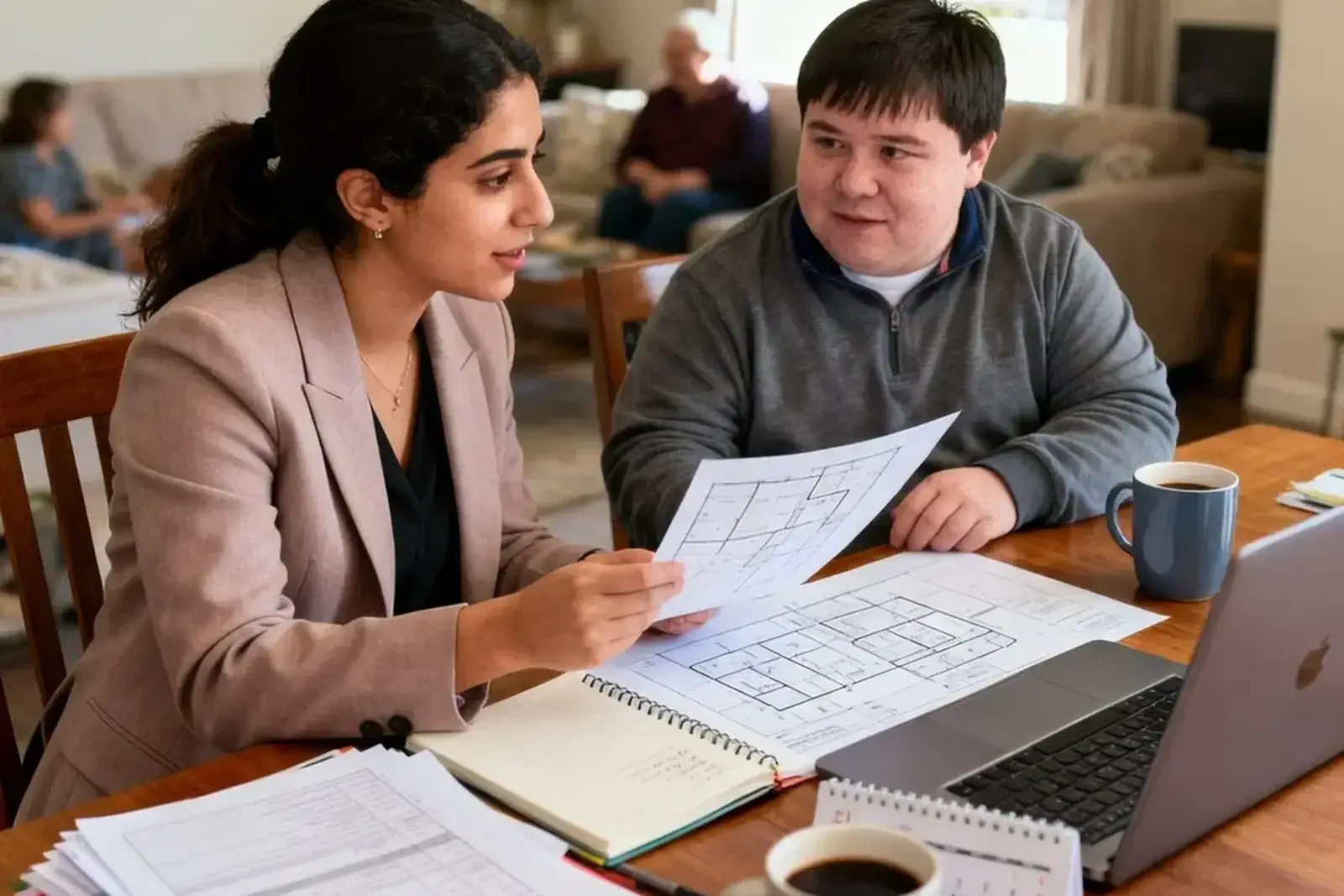
New NDIS plan: your first 30 days, in order
A new plan arrives and nothing tells you what to do first. Here is the order we work through with families in South West Sydney, and the two mistakes that cost the most.
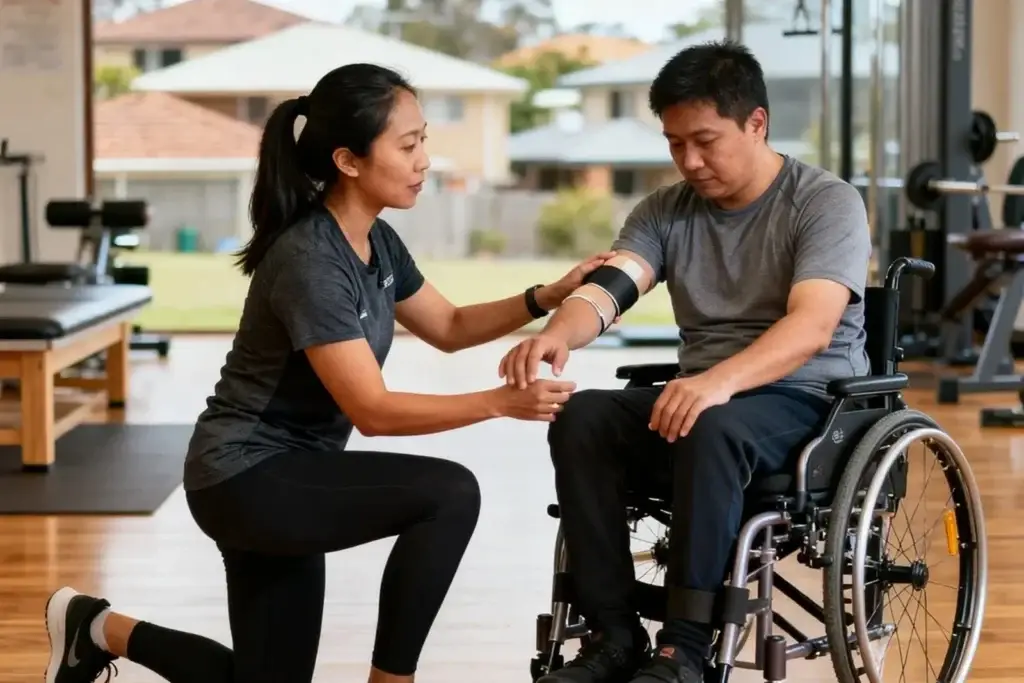
Neurological NDIS allied health support works best when the same trained person shows up consistently. Families tell us the biggest worry isn’t finding a provider—it’s whether they’ll actually be there when promised. When your brother has a stroke, or your mum’s Parkinson’s progresses, cancellations and staff turnover aren’t inconveniences. They break routines that took months to build; the NDIS funds allied health supports specifically so participants can count on steady, skilled help. Reliability isn’t a bonus. It’s the foundation.
Exercise physiology and movement support work because they’re built on continuity and trust. When the same physiotherapist understands how your family member moves, what triggers fatigue, and what small wins matter most, the sessions become more effective. They spot changes early. They adjust without needing to start from scratch. They notice when motivation dips and when confidence builds. That knowledge compounds over weeks and months. It can’t happen with a different person every visit. Guia matches participants with qualified exercise physiologists who stay with them, learning their body and their goals.
In practice, this means a two-hour Thursday afternoon session with the same physiologist, month after month. Your family member knows what to expect. The physiologist knows their history, their preferences, and what movement feels safe. We’re NDIS-registered and all staff are qualified and worker-screened. When you need someone who’ll show up reliably and treat your family member with dignity, that consistency becomes the difference between support that works and support that frustrates.
Neurological NDIS allied health support sounds like it should be straightforward, but families tell us it’s often confusing. You might be wondering: what exactly counts as allied health for your family member? How does it fit into their NDIS plan? And how do you find someone who actually shows up and builds a real relationship with them?
Here’s what matters most. Allied health and wellness support through the NDIS isn’t about clinical treatment or diagnosis. It’s about movement, fitness, and wellbeing tailored to what your family member actually wants to do and achieve. That might be walking further, building strength for daily tasks, feeling more confident in their body, or simply enjoying physical activity with someone who gets their needs.
Many families in South West Sydney are navigating this alone. You’re researching providers, check-ing if they’re registered, wondering whether they’ll understand your family member’s neurological condition and what makes them tick. You’re also thinking about consistency—will the same support worker show up each week, or will you be managing constant changeovers?
The reality is that neurological NDIS allied health works best when the person delivering it knows your family member as an individual. Not just their diagnosis, but their routines, what motivates them, whether they prefer quieter sessions or group activity, and whether they need support in English, Arabic, Spanish, or Auslan. That consistency builds trust and real progress over time.
When you’re ready to explore what this could look like for your family member, we’re here to answer your questions in plain language. No jargon, no pressure—just a conversation about what might work for them.
Here’s what that looks like in practice. Your family member has a Tuesday afternoon support visit at 2 pm. The exercise physiologist arrives with a simple plan: gentle movement work in the lounge, tailored to what their body can do that day. Some weeks that’s a 20-minute walk around the block. Other weeks it’s seated stretches and balance work at the kitchen table.
What matters is consistency. The same support worker shows up on the same Tuesday, knows the layout of your home, remembers which chair works best, and notices small changes. They see when fatigue is setting in earlier than usual. They adjust the session without making a fuss. They leave written notes about what went well and what felt harder. That information feeds into the next week’s plan.
Neurological NDIS allied health support works because it meets people where they actually are, not where a programme assumes they should be. Your family member might have a progressive condition, or one that fluctuates day to day. An accredited exercise physiologist trained in neurological support understands that. They’re not pushing toward a fixed outcome. They’re helping your family member stay as strong and mobile as possible, at their own pace, with dignity intact.
Over months, this kind of reliable, person-centred support often means fewer falls, better sleep, and a clearer sense of what their body can still do. For families, it means one less thing to worry about. Someone qualified is paying attention. Someone shows up.
If that sounds like the kind of support you’re after, Guia offers exercise physiology and wellness support across South West Sydney. Our team is trained, screened, and matched to your family member’s needs. When you’re ready to explore how neurological NDIS allied health could work for your situation, enquire about support and we’ll talk through what’s possible.
Many families think neurological NDIS allied health support means intensive therapy sessions aimed at “fixing” or “managing” a diagnosis. That’s not what we do, and it’s worth clarifying upfront.
Allied health and wellness support through the NDIS isn’t clinical treatment. It’s practical, person-centred movement and fitness support designed by accredited exercise physiologists. The goal isn’t to change your family member’s neurological condition—it’s to help them build strength, confidence, and the physical capacity to do the things that matter to them.
Here’s what that looks like in practice. An autistic adult might work with an exercise physiologist to build stamina for a community activity they enjoy. Someone with a neurological condition might develop a routine that reduces fatigue or improves mobility for daily tasks. The focus is always on what your family member wants to achieve, not on clinical benchmarks or therapy outcomes.
What we hear from families is that this shift—from “treatment” to “support”—feels like permission to think differently about movement and wellness. Instead of chasing a “cure,” you’re building real capacity. Your family member stays in control of the pace and the goals. A Spanish-speaking or Auslan-trained support worker can be matched to your family if that matters to you.
The NDIS funds this support because it genuinely builds independence and participation. It’s not about spending your plan in a particular way—it’s about choosing support that actually fits your family’s life. When you’re ready to explore what allied health and wellness could look like for your family member, we’re here to talk it through without pressure or jargon.
Allied health support through neurological NDIS allied health services means working with qualified professionals who help you or your family member move better, communicate more clearly, and build everyday skills. It’s not medical treatment — it’s practical, hands-on support tailored to how your body and mind work right now.
Here’s what that looks like in practice. Exercise physiology focuses on movement and fitness designed by accredited exercise physiologists specifically for NDIS participants. A session might involve gentle strengthening, balance work, or building stamina for activities that matter to you — whether that’s walking to the local shops, playing with grandchildren, or returning to work. Personal training follows a similar approach but is led by a trainer (not an exercise physiologist) and focuses on fitness goals you’ve chosen.
Health and wellbeing support is broader. It covers nutrition advice, stress management, sleep routines, and building habits that help you feel better day to day. It’s not therapy or counselling — those sit in different NDIS support categories — but it does address the physical and practical side of staying well.
What neurological NDIS allied health does NOT include: diagnosing conditions, prescribing medication, or recommending medical treatment. That’s a doctor’s job. We work alongside your GP and any specialists you’re seeing, not instead of them; your support worker will always respect what your medical team has advised.
The goal is choice and control. You decide what movement, fitness, or wellbeing goal matters most right now. Your support worker meets you where you are — whether that’s at home, in the community, or online — and builds a plan that fits your life, not the other way around. When you’re ready to explore what allied health support could look like for you or your family member, enquire about support with Guia.
NDIS funding for neurological NDIS allied health support works differently depending on what type of support you’re accessing. Understanding how your funding is categorised helps you and your family make clearer decisions about what’s available.
Most allied health and wellness support sits within either Core Supports or Capacity Building in your plan. Core Supports cover ongoing help you need regularly—think weekly exercise physiology sessions or consistent personal training. Capacity Building supports are designed to help you build skills and independence over time, so you might access them for a defined period to work toward a specific goal. The NDIS framework lets you choose which providers deliver these supports, and that choice matters—you’re looking for someone who understands your needs and shows up consistently.
If your family member is living in Supported Independent Living (SIL), allied health and wellness can be part of that package too. It’s woven into the broader support plan to help them stay active, healthy, and connected to their community.
What we hear from families is that the funding categories feel confusing at first. The key thing to know is that your NDIS plan lists what’s available to you in plain language. If allied health support is in your plan, you decide who provides it and when. You’re not locked into one provider, and you’re not expected to spend every dollar—you’re in control of how and when you use your support.
When you’re ready to explore what neurological NDIS allied health support could look like for your family member, we can walk you through how your specific plan works and what options make sense for your situation. There’s no rush, and no pressure to commit before you’re confident.
When someone has a neurological condition, their support needs often shift over time. What works today might need adjusting in six months or a year. That’s why it matters to understand what you control in your allied health support—and what sits outside it.
Allied health support through your NDIS plan gives you real choice. You decide on the provider you work with, how often sessions happen, which support worker feels like the right fit, and when those sessions fit your week. You also shape what the support focuses on—whether that’s building strength, improving balance, managing pain, or working toward a specific goal that matters to you and your family.
Here’s what that looks like in practice. If your family member needs exercise physiology support and you find the Tuesday afternoon time slot isn’t working anymore, you can change it. If a particular support worker builds a strong relationship with them, you can request continuity. If the focus needs to shift—say, from general fitness to preparing for a community outing—that conversation happens with your provider and gets reflected in how sessions are run.
What sits outside this support is important to be clear about. Clinical diagnosis, treatment recommendations, and medical decisions belong with your GP or specialist, not your allied health support worker. Plan management and NDIS funding decisions sit with you and the NDIS—your support provider advises, but doesn’t decide. And changes to your plan itself need to go through the NDIA, not your provider.
If you’re unsure what your NDIS plan covers for allied health, or you want to talk through how neurological NDIS allied health support could work for your family member, we’re here to help. Enquire about support and we’ll walk you through it, no pressure.
Allied health and wellness support through your NDIS plan isn’t something you need to wait for. If your plan already includes funding for exercise physiology, personal training, or movement support, you can start using it now. Check your plan documents for line items under “Assistance with Daily Personal Activities” or “Health and Wellbeing”—these categories often sit unused because families aren’t sure what they actually cover.
Here’s what that looks like in practice. You might notice your family member struggles with routine movement—getting out of a chair takes effort, or they avoid stairs because they’re unsure of their balance. An accredited exercise physiologist can design movement that fits their body and builds confidence over time. This isn’t gym culture or punishment; it’s about making everyday tasks feel easier and less tiring.
Another signal is when your family member has a neurological condition and their GP or specialist mentions “maintaining strength” or “preventing decline. ” That conversation often points to allied health support. Neurological NDIS allied health sits exactly at that intersection—it’s designed for people managing conditions that affect movement, coordination, or energy levels. A qualified exercise physiologist understands how your family member’s nervous system works and plans support around that.
If your family member is isolated or anxious about their body, wellness support can rebuild that connection. Sometimes it’s as simple as a one-on-one session at home, or a small group activity in South West Sydney that feels safe. The goal is always choice and control—your family member decides what movement feels right, and the support worker meets them there.
Not sure if this fits your plan? Check your NDIS documents first, then get in touch. We can walk through what you’re funded for and what’s possible. Enquire about support when you’re ready.
Many autistic adults find that movement and routine-based support works better when someone understands how they process sensory input and change. A participant we supported had strong coordination but struggled with the unpredictability of group fitness classes. Sensory overload in crowded gyms meant he’d often cancel sessions.
His family raised this in planning conversations. Rather than pushing exercise physiology, we matched him with an exercise physiologist who specialised in neurodivergent support. The arrangement: one-to-one sessions in a quiet space at consistent times, with the same support worker each week. Predictability mattered as much as the movement itself.
Over six months, he built confidence in a routine that felt safe. The sessions stayed the same length, same day, same person. When he was ready, the physiologist introduced gentle variation — a different warm-up, a new movement pattern — always signalled in advance. That control meant he could actually focus on building strength instead of managing anxiety about what came next.
His family noticed he’d started mentioning the sessions unprompted. Not because exercise was suddenly “fun” in a marketing sense, but because he knew what to expect and felt respected in how the support was delivered. The physiologist treated his need for routine as a feature of how he learned best, not something to work around.
If you’re supporting an autistic adult or someone with a neurological disability, this is the kind of neurological NDIS allied health arrangement that can actually stick. It’s about matching the right support worker, respecting how your family member’s nervous system works, and building reliability into every session. When you’re ready to explore what that could look like, enquire about support and we’ll talk through your situation without pressure.
Allied health support for neurological NDIS allied health sits within your plan’s Core Supports or Capacity Building categories, depending on what you’re working towards. The NDIS official site publishes a price guide that sets the hourly rates for exercise physiology, personal training, and wellness support. Your plan approval letter will show exactly how much funding sits in each category and what it covers.
Here’s what that looks like in practice. If your plan includes exercise physiology support, the NDIS pays the provider at the published rate for each session. You don’t pay the provider directly—Guia invoices the NDIS for the hours delivered. Your job is to choose the support that fits your goals and your life, not to stretch funding to cover everything at once.
What we hear from families is that the biggest confusion comes from not knowing what’s already in the plan versus what isn’t. Some participants have dedicated allied health budgets. Others have broader capacity building funding that can include movement, fitness, or wellbeing support alongside other goals like employment or life skills. Your support coordinator or plan manager can walk you through exactly what category your funding sits in and what that means for booking sessions.
If your plan doesn’t currently include allied health support, or if you need more hours than what’s allocated, that’s a conversation worth having with your coordinator. Gap funding—paying out of pocket for additional sessions—is a real option some families choose, but it’s entirely your decision based on what matters most to your family right now.
The key is clarity upfront. When you’re ready to explore what allied health support could look like for you or your family member, we can walk through your plan together and help you understand exactly what’s available and how it works.
When you call Guia about neurological NDIS allied health support, the first conversation is straightforward. We ask about your family member’s current situation and what matters most to them. This chat usually takes fifteen to twenty minutes. We’re listening for what they actually need day-to-day, not rushing through a checklist.
After that first call, we send you information about how our Exercise Physiology and wellness support works. We explain what’s included in your NDIS plan and answer questions about costs; if it feels like a fit, we schedule a quick meet-the-team conversation. You’ll talk with someone from our team who knows South West Sydney and understands the cultural and linguistic needs that matter in your suburb.
Here’s what happens next. We match your family member with a support worker who’s the right fit—not just qualified, but someone whose approach aligns with how your family wants things done. If your family speaks Arabic, Spanish, or needs Auslan, we find that match. If routines and consistency matter (and they do for many neurological conditions), we build that into the plan from day one. This matching process usually takes a week or two.
Your first actual visit is structured but unhurried. The support worker arrives on time—reliability matters. They spend time getting to know your family member, understanding their goals, and talking through what good support looks like. They’re there to build trust, not to rush into a programme. You’re part of that conversation too. We want you to feel confident that this person will show up consistently and treat your family member with genuine respect and dignity.
When you’re ready to start, enquire about support and we’ll walk you through each step at your pace.
Choosing the right allied health provider for neurological NDIS support means asking the right questions upfront. A good provider will answer clearly and honestly about how they work, who supports your family member, and what happens when things change.
At Guia, we prioritise consistency and respect. Our support workers are qualified and screened. We match people carefully and keep the same worker where possible. We listen to concerns and act on them. When you’re ready to explore neurological NDIS allied health support that treats your family member with genuine care, enquire about support with us.
When a family member has a neurological condition, their support needs can shift week to week. A good allied health provider notices these changes and adjusts. A poor fit ignores them—or worse, pretends they don’t exist. Here’s what to watch for.
Guia’s approach is different. We match support workers based on what your family member actually needs—not what fits our schedule. Our team stays consistent, documents thoughtfully, and checks in regularly about how support is working. When neurological NDIS allied health support is working well, you feel it. Enquire about support to explore whether we’re a fit for your family.
When neurological NDIS allied health support is working well, you’ll notice it in the everyday rhythms of your family member’s week. The same exercise physiologist or personal trainer shows up on the same day at the same time — no last-minute cancellations or substitutes. That consistency matters more than most people realise. Your family member knows what to expect, builds trust with their support worker, and the worker learns their body, their preferences, and what actually motivates them.
Communication flows both ways. The allied health worker checks in regularly about what’s working and what isn’t. They listen when your family member says a particular movement feels uncomfortable or when they want to try something different. They’re not running a programme — they’re adjusting it based on what your family member tells them. That responsiveness shows they see your family member as the expert on their own body and goals.
You’ll also spot real changes that matter to your family. Maybe your family member has more energy in the afternoons. Perhaps they’re sleeping better at night. They might be standing for longer without fatigue, or they’re moving with less pain. These aren’t dramatic transformations — they’re the small, steady improvements that add up over months. Your family member feels more in control of their body and what it can do.
Finally, your family member’s priorities stay at the centre. If they care about being able to walk to the shops or play with their nieces or manage stairs at home, the allied health work is building toward those real goals. Not abstract fitness targets, but the activities that actually matter in their life. That’s how you know the support is genuinely person-centred.
If this sounds like the kind of allied health support you’re looking for, we’re here to help. Guia offers exercise physiology and personal training tailored to your family member’s goals and body. When you’re ready to explore what that could look like, enquire about support.
If neurological NDIS allied health support isn’t working the way you hoped, you have real options. Your family member’s comfort and progress matter. So does your peace of mind as a carer.
Start with the provider directly. Tell them what’s not working—whether it’s timing, the fit with your family member, or the approach itself. Good providers listen and respond. A simple conversation often fixes things faster than you’d expect. Ask to speak with a manager if the first point of contact doesn’t help.
You can also request a different support worker. Allied health support is personal. If the current match isn’t right, that’s worth naming. Guia works with families to find the right person—someone whose style fits your family member’s needs and personality. We match carefully because consistency and trust matter.
If you want to change providers altogether, that’s your choice too. Your NDIS plan belongs to you. You decide who delivers your support. There’s no penalty for switching, and a good provider will hand over information and transition smoothly.
If you’ve tried these steps and concerns remain, formal feedback exists. The NDIS Quality and Safeguards Commission handles complaints about provider conduct and quality. They’re independent and take concerns seriously. You can lodge a complaint if a provider isn’t meeting standards or treating your family member with respect.
Choice and control sit at the heart of the NDIS. That includes the right to change your mind about who supports you. When you’re ready to explore allied health support that feels right for your family, we’re here to talk through what that looks like.
Enquire about support and let’s find the right fit together.
If your family member has a neurological condition, finding the right allied health support can feel overwhelming. You’re juggling NDIS terminology, understanding what’s actually covered, and hoping the support worker will show up consistently and understand their needs. That’s the reality families in South West Sydney face every day.
Here’s what that looks like in practice: neurological NDIS allied health support works best when it’s tailored to the person. An exercise physiologist who understands how your family member’s nervous system responds to movement. A support worker who remembers their routine, their preferences, their pace. Someone who treats them as a capable adult, not a diagnosis.
What we hear from families is that consistency matters most. When the same support worker arrives on time, knows what to expect, and actually listens—that’s when real progress happens. That’s when your family member builds confidence. That’s when you can breathe a little easier, knowing they’re in steady hands.
At Guia, we’ve been supporting people across South West Sydney for two years. We’re NDIS-registered, all our staff are qualified and worker-screened, and we speak English, Arabic, and Spanish. More importantly, we match support workers thoughtfully—we don’t just assign someone and hope it works. We listen to what your family member needs, and we show up reliably, every time.
Whether you’re still researching, or you’re ready to explore what neurological NDIS allied health support could look like for your family, we’re here to talk through it at your pace. No pressure, no sales pitch. Just a conversation about what might help. Enquire about support whenever you’re ready.
A new plan arrives and nothing tells you what to do first. Here is the order we work through with families in South West Sydney, and the two mistakes that cost the most.
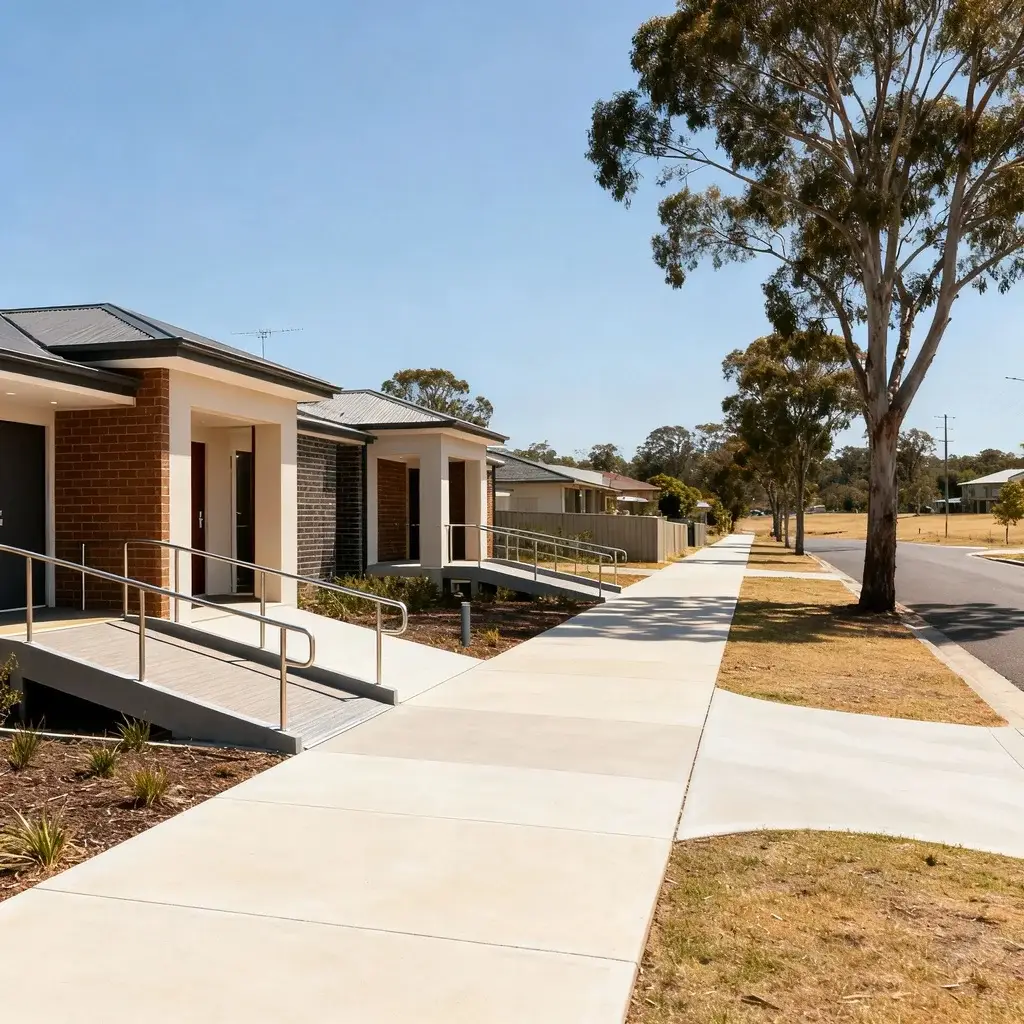
Aged care at home South West Sydney from Guia. Reliable support workers who show up consistently and become part of your family’s everyday routine.
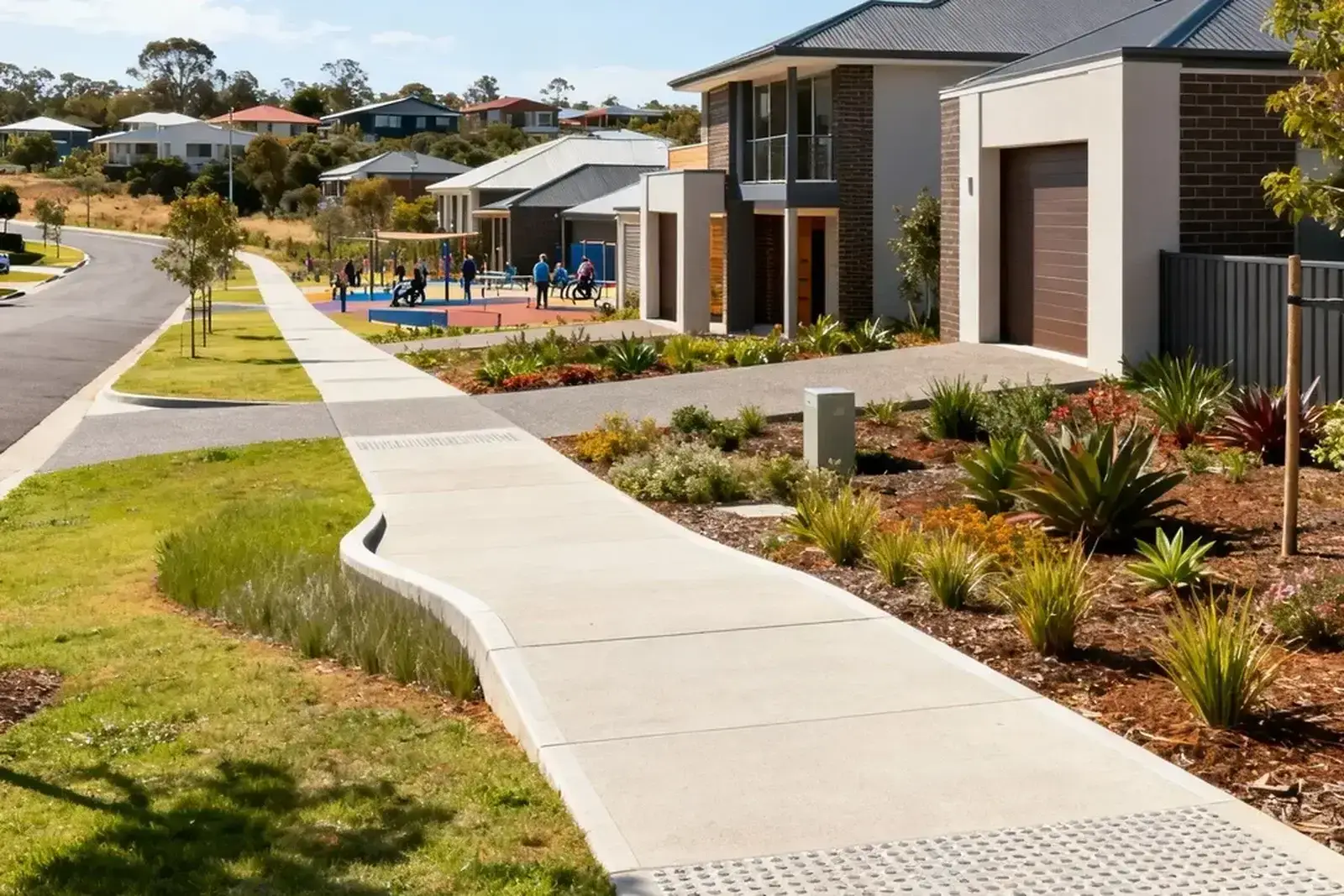
NDIS allied health support sydney from Guia. Reliable support workers who show up consistently and become part of your family’s circle. Peace of mind fo…
The Allied Health and NDIS Decision Guide
How NDIS-funded exercise physiology and allied health builds long-term wellbeing — and how to know if it's the right call for your plan.
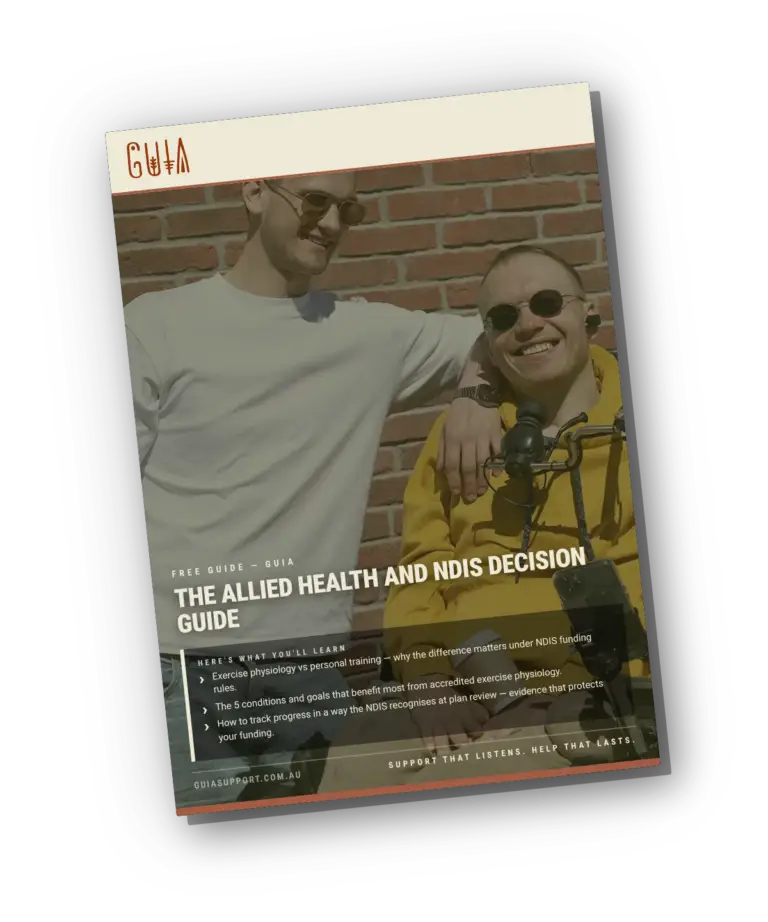
Here's What You'll Learn:
Exercise physiology vs personal training — why the difference matters under NDIS funding rules.
The 5 conditions and goals that benefit most from accredited exercise physiology.
How to track progress in a way the NDIS recognises at plan review — evidence that protects your funding.
ARE YOUR NDIS SUPPORTS WORKING FOR YOU?
GET A FREE NDIS PLAN MANAGEMENT REVIEW