


New NDIS plan: your first 30 days, in order
A new plan arrives and nothing tells you what to do first. Here is the order we work through with families in South West Sydney, and the two mistakes that cost the most.
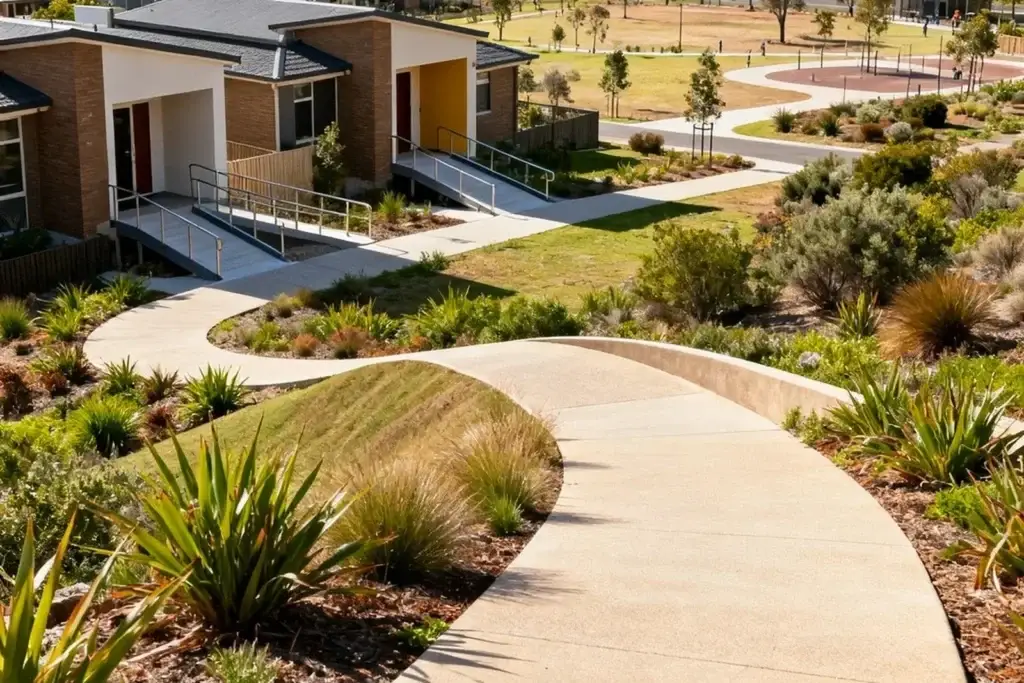
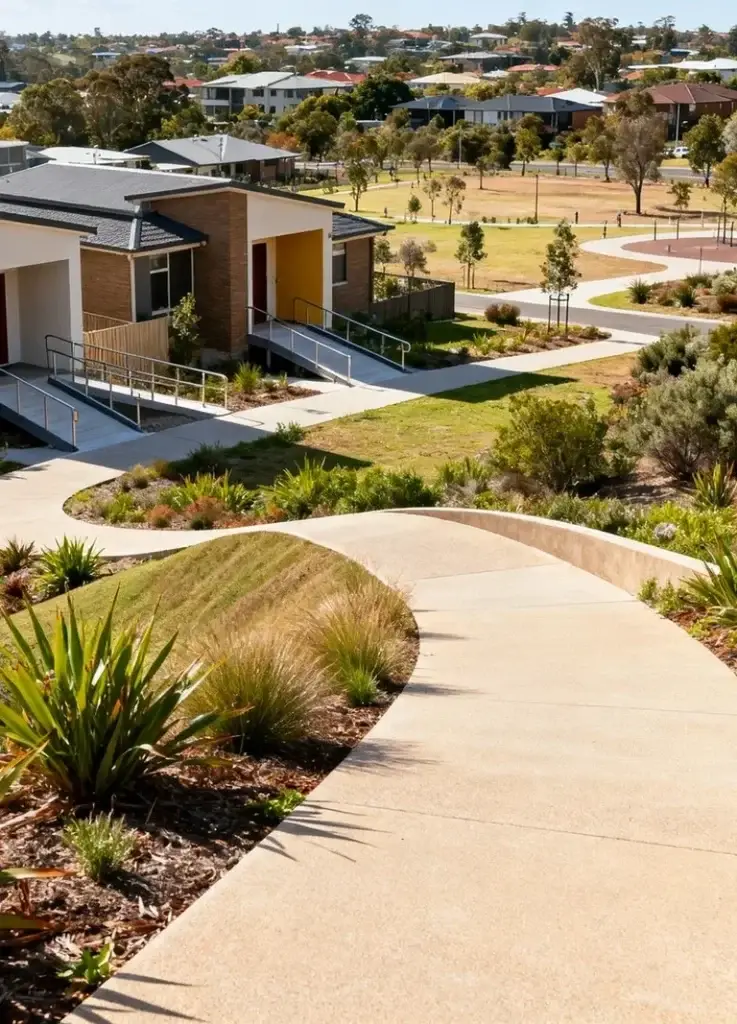
NDIS home modifications sydney covers far more ground than most families realise when they first start exploring options. A ramp at the front door is just the visible part. The real work happens in the planning—understanding what your family member actually does each day, where the friction points live, and which changes will genuinely reduce strain on both of you. Many families worry a provider will disappear mid-project or leave the work half-done. That’s a legitimate concern because poor coordination between assessment, funding approval, and installation creates real gaps where participants and carers are left waiting.
Home modifications work best when they’re planned around your family member’s actual routines, not a accessibility checklist. A qualified assessor visits, observes how your relative moves through their home, and identifies the specific barriers that matter to them. Then the team manages the whole pathway—liaising with the NDIS to secure approval, sourcing equipment or contractors, and overseeing installation. This approach means the modification fits your family member’s life, not the other way around. It also means someone accountable stays involved from start to finish.
Here’s what that looks like in practice. You’ll have a single point of contact who knows your family member’s needs and stays with the project. They confirm timelines upfront, show up when promised, and follow through on maintenance or adjustments after installation. That consistency—knowing the same person will return if something needs tweaking—builds the kind of trust that makes support feel like part of your extended team rather than a transaction. When you’re ready to explore what home modifications might mean for your family member, we can walk through the options together.
When NDIS home modifications sydney becomes something you’re searching for, it usually means the everyday movements your family member relied on have become harder. Stairs feel steeper. The bathroom doorway is too narrow. Getting in and out of bed takes longer, or hurts. You’re not looking for a lecture on accessibility—you’re looking for your home to work the way it needs to right now.
Here’s what that looks like in practice. A ramp at the front entrance. Grab rails in the shower. A wider doorway to a bedroom. Lever handles instead of round knobs. A raised toilet seat. These aren’t luxury upgrades. They’re the difference between your family member moving through their own home with dignity and independence, or needing help for tasks they could manage alone.
What we hear from families is that the NDIS funding side feels confusing. You know modifications are covered, but you’re not sure what counts, how to get approval, or who actually does the work well. You’re worried about cowboys who’ll cut corners or disappear mid-project. You want someone who listens to your family member’s actual routine—not a checklist—and delivers work that lasts.
The other thing families tell us: consistency matters more than you’d think. A support worker who shows up on time, every time, who respects your home and your family member’s space, who explains what’s happening and why. That’s not a small thing. That’s everything.
Guia has been supporting people across South West Sydney for two years. We’re NDIS-registered, our team is qualified and worker-screened, and we speak English, Arabic, and Spanish. We handle home modifications as part of a wider Home & Mobility Solutions service—meaning we also help with equipment, assistive technology, and the practical support that keeps people moving safely and independently at home.
When you’re ready to talk about what your home actually needs, we’re here. No pressure, no jargon. Just a conversation about what would help your family member feel more in control.
Let’s picture what NDIS home modifications look like in practice. Your mum has arthritis and uses a walker. The bathroom tap is hard to grip. The toilet seat is too low. Getting in and out of the shower means holding the wall and hoping. She’s been managing, but you’re worried about a fall.
A Guia support worker visits on a Tuesday afternoon at 2 pm; they spend the first 20 minutes with your mum and you, listening to what matters most. Where does she slip? When does she feel unsafe? What does she want to keep doing — showering alone, using the toilet without asking for help? This conversation shapes everything that comes next.
The support worker takes measurements, photos, and notes about your mum’s routine. They’re not here to tell her what she needs. They’re here to understand what she’s told them, then match that to equipment and modifications that actually fit her life. A raised toilet seat with grab rails. A non-slip mat in the shower. A lever tap that doesn’t need grip strength. Simple. Dignified. Her choice, her control.
Over the next two weeks, the support worker coordinates with your NDIS plan to confirm what’s funded. They order the equipment, arrange installation, and come back to make sure your mum knows how to use everything safely. On the final visit, they watch her use the bathroom independently. They notice she stands taller. They leave behind written instructions in large print, and your phone number is on a card if questions come up.
That’s what home modifications mean: your mum stays safer, stays independent, and stays in control. If you’d like to explore what modifications might help your family member, we’re here to talk through it — no pressure, no jargon.
Enquire about home modifications support and let’s start a conversation about what your home needs.
Many families think NDIS home modifications are about ticking a box—install a ramp, adjust the bathroom, job done. In reality, the wrong equipment or a poorly planned modification can make daily life harder, not easier. A grab rail in the wrong spot. A wheelchair ramp too steep for safe use. A bathroom layout that forces your family member to navigate around obstacles instead of through them. These aren’t small frustrations. They eat into independence and create safety risks.
Here’s what that looks like in practice. A participant might have funding approved for a modification, but if the assessment doesn’t account for how they actually move through their home—their routines, their sensory needs, their strength on different days—the result can feel like it was built for someone else. A modification that works on paper doesn’t work at 6. m. when they’re tired, or on a day when pain or fatigue changes what their body can do.
The truth is simpler: good home modifications start with understanding the person, not the disability. What does a typical Tuesday morning look like? Where do they spend most time? What tasks matter most to their independence? A ramp isn’t just a ramp—it’s the difference between being able to leave the house or being stuck inside. A modified bathroom isn’t just tiles and rails—it’s the chance to wash and dress without depending on someone else’s schedule.
That’s why the assessment and design phase matters as much as the installation. We work with you and your family member to map out daily routines, identify the real barriers, and plan modifications that fit the life you’re actually living. When it’s done well, you notice it because things just work—and your family member feels more in control.
If you’re navigating NDIS home modifications in South West Sydney and want support that starts with understanding, enquire about how we can help.
Home & Mobility Solutions means practical changes to your home and equipment that help you move around safely and live more independently. It covers everything from ramps and handrails to accessible bathrooms, kitchen modifications, and assistive technology that fits your daily life.
The NDIS funds these modifications under “Assistance with Accommodation and Tenancy” — which is just the formal name for helping you stay safe and comfortable where you live. This includes home modifications (permanent structural changes), personal mobility equipment (wheelchairs, walking aids, transfer equipment), and assistive technology (devices that help you do everyday tasks). We handle the planning, sourcing, installation, and training so you know how to use everything safely.
What it does NOT include: Home & Mobility Solutions is not about general home maintenance or repairs unrelated to your disability. It’s not about cosmetic upgrades. It’s specifically about removing barriers and building capacity — making your home work for your body and your routines, not the other way around.
Here’s what that looks like in practice. If you use a wheelchair, we might plan and install a ramp at your front entrance and widen doorways. If you have difficulty with balance or transfers, we might add grab rails in the bathroom and modify your shower. If you’re autistic and need sensory control, we might help with lighting adjustments or acoustic treatments. If you’re moving into a new place, we support the whole transition — from assessing what you need to making sure everything’s installed and you understand how to use it.
The key is that every modification respects your routines and choices. We’re not here to tell you how to live — we’re here to remove the obstacles so you can live the way that works for you. When you’re ready to explore what Home & Mobility Solutions might look like for you or your family member, enquire about support and we’ll walk through your specific situation together.
NDIS home modifications Sydney are funded through your participant’s NDIS plan, but how that funding sits depends on their specific goals and support needs. Understanding the difference between Core Supports and Capacity Building helps you make the right choices about what modifications matter most.
Core Supports cover everyday assistance with daily activities and accommodation. If a modification helps your family member stay safe, independent, or connected at home—like a ramp, grab rails, or a wet room renovation—it often sits here. The NDIS funds modifications that directly support daily living. Your support coordinator can help match the modification to the right budget line in the plan.
Capacity Building supports help participants build skills and confidence over time. If a modification is paired with training or coaching—say, learning to use a new piece of mobility equipment or adapting to a home layout change—that training component may sit in Capacity Building. The modification itself still comes from Core, but the learning around it’s separate.
For participants in Supported Independent Living (SIL), home modifications are often part of the tenancy agreement and funded through the accommodation support budget. The goal is always the same: making the home work for the person living there, not the other way around.
What matters most is that you and your family member stay in control. You choose which modifications matter, when they happen, and which provider does the work. Guia helps families navigate this by explaining what’s possible within the plan, matching modifications to your actual daily life, and managing the process from start to finish. When you’re ready to explore what modifications could help, contact us to discuss your situation.
When you’re thinking about NDIS home modifications in Sydney, it helps to know exactly what you control and what sits outside the support. That clarity means fewer surprises and more confidence in the process.
Here’s what’s your call:
You’re the decision-maker here. Your family member’s needs come first, and the support should fit around how you actually live — not the other way around.
Here’s what sits outside this support:
Those decisions belong with your support coordinator, your family member’s doctor, or the NDIA itself. A good provider — like Guia — will work alongside those professionals and explain what’s happening in plain language. We’re here to deliver the modifications and support your family member to use them confidently. We listen to what matters to you. We show up on time. We respect your routines and your family’s privacy.
If you’d like to talk through what modifications might work for your situation, and how the process actually runs, we’re here to help. No pressure, no jargon.
Enquire about support and we’ll walk you through it step by step.
Disability needs don’t stay the same. Your family member’s mobility, sensory needs, or living situation may shift over months or years. The good news: NDIS home modifications can evolve with them. If your plan already includes funding for “Assistance with Accommodation and Tenancy,” you may already have access to this support.
Here’s what that looks like in practice. An autistic adult who manages stairs well today might find them harder in five years. A wheelchair user’s current ramp might need extending when they move house. Someone who’s always managed their own kitchen suddenly needs grab rails after an injury. These aren’t failures of the original plan—they’re life happening.
The most common starting point is noticing small changes in daily routines. Does your family member move more slowly through the house? Do they avoid certain rooms because access feels risky? Are they asking for help with tasks they used to do alone? These signals often appear before a formal plan review, and they’re worth flagging early.
You don’t need to wait for a plan review to explore options. If you’re unsure whether modifications are already funded in your current plan, contact your support coordinator or ask us directly. We work with families to read their plan, identify what’s already available, and plan what might help next. Our team can also help you understand what a plan review might look like if your needs have genuinely shifted.
When you’re ready to talk through whether home modifications fit your family member’s current situation, get in touch with us. We’ll listen to what’s changed and help you work out the next step—no pressure, no jargon.
An autistic adult in our South West Sydney community needed his bedroom and bathroom modified to feel safer and calmer. Sensory sensitivities meant standard lighting and sharp corners created real distress. His family wasn’t sure what was possible within his NDIS plan or how to start.
We worked with him and his family to understand what mattered most. Softer lighting, rounded furniture edges, and a clear pathway from bed to door made the biggest difference to his daily routine. We helped his family navigate the modification process, sourced equipment that matched his sensory needs, and arranged installation without disrupting his rhythm.
The shift was practical, not dramatic. He slept better. Morning routines felt less stressful. His family stopped worrying about him bumping into furniture in the dark. That’s what Home & Mobility Solutions looks like in practice — changes that fit the person, not the other way around.
What we hear from families is that the planning matters as much as the work itself. You need someone who listens to what actually happens at home, not just what a checklist says should happen. Someone who respects routines and explains options in plain language. Someone reliable enough that you trust them in your space.
If you’re thinking about NDIS home modifications in South West Sydney and wondering where to start, that’s exactly where we come in. We work with participants and families to plan modifications that genuinely fit their life. When you’re ready to explore what’s possible, enquire about support and we’ll walk through your options together.
NDIS home modifications and equipment are funded through your participant’s plan under two main categories: Core Supports and Capacity Building. Core Supports cover day-to-day assistance with daily personal activities and accommodation needs. Capacity Building supports help build independence and skills over time. Which category applies depends on your plan and goals.
The NDIS uses a price guide to set reasonable costs for modifications and equipment. This means the scheme has approved price ranges for common items—ramps, grab rails, bathroom modifications, mobility equipment. Your support coordinator or provider works within these ranges. If a modification costs more than the price guide allows, you may need to contribute the difference, though this varies case by case.
Here’s what that looks like in practice. Your family member needs a bathroom modification to safely shower independently. The modification is assessed, quoted, and submitted to the NDIS. If it sits within the price guide, it’s approved as part of your plan budget. The provider—that’s us—manages the planning, approvals, and delivery. You’re kept informed at every step.
It’s worth knowing that the NDIS scheme requires modifications and equipment to be reasonable and necessary for your participant’s disability-related goals. This means the assessor looks at whether the change actually helps your family member live more independently or safely at home. Vague requests don’t get approved; specific, goal-linked requests do.
If you’re unsure whether a modification or piece of equipment is fundable, or if you need help understanding your plan’s budget for Home & Mobility Solutions, that’s exactly where we come in. We’ve worked through these approvals across South West Sydney for families in your situation. When you’re ready to explore what’s possible for your home, enquire about support and we’ll walk you through it.
When you call Guia about NDIS home modifications Sydney, the first conversation is straightforward. You’ll speak with someone who listens to what’s actually needed at home right now. That might be a ramp, a handrail, a bathroom modification, or equipment like a wheelchair or walking frame. They’ll ask about your family member’s routine, what makes daily life harder than it needs to be, and what your NDIS plan covers. This call usually takes 15–20 minutes.
Next, we arrange a quick chat to match you with the right support worker. We’re not just looking for someone available on the day. We think about language needs—Spanish-speaking, Arabic-speaking, or Auslan-trained workers where that matters. We think about whether your family member prefers consistency with the same person each time. We think about the small things that make someone feel respected and understood. This matching process takes a few days, not weeks.
Before the first visit, you’ll meet the support worker or see their profile. They’ll have been screened, qualified, and trained in NDIS Code of Conduct. You’ll know their background and experience. There’s no surprise arrival by someone you’ve never heard of. We show up on time, every time. No last-minute cancellations.
On the first visit, the support worker will spend time understanding the space and the person. They’ll talk through what modifications or equipment are needed, how they’ll work in practice, and what comes next. If a home assessment is needed before a modification starts, they’ll explain that. If equipment needs to be ordered, they’ll walk you through the timeline. You’ll leave that first visit knowing exactly what happens next and when.
If this sounds like the kind of support you’re after, here’s what happens next. Enquire about support and tell us a bit about what you’re looking for. We’ll take it from there.
Before you commit to a home modifications provider, it’s worth knowing what questions to ask. These aren’t just about cost or timeline—they’re about whether the provider will treat your family member with respect, show up reliably, and actually listen to what you need.
At Guia, we match support workers based on what each participant and family actually need—not just availability. We’re NDIS-registered, all staff are qualified and worker-screened, and we speak English, Spanish, and Arabic. Consistency matters to us; we know it matters to you. When you’re ready to explore what good support looks like, enquire about support.
When you’re looking for NDIS home modifications Sydney providers, not every team has the expertise or reliability your family needs. Knowing what to watch for helps you spot providers who won’t deliver the consistent, respectful support you deserve.
Guia works differently; we’re NDIS-registered, our team stays stable, and we listen before we plan. We work alongside your support coordinator and respect your routines. When you’re ready to explore what genuine home modification support looks like, enquire about support.
The best sign that NDIS home modifications are working well is consistency. Your family member’s support worker arrives on the agreed day and time, week after week. They know the layout of the house, where things are kept, and what routines matter. That reliability builds trust and lets your family member relax into the support rather than spending energy explaining everything again.
Listen for regular, honest communication from the support team. A good provider checks in between visits—not with a checklist, but genuine conversation about what’s working and what isn’t. They might say, “The grab rail is in the right spot, but we’ve noticed the bathroom light could be brighter for safety. ” They’re noticing details because they’re present and paying attention.
Watch whether your family member is leading the priorities. Are the modifications and equipment choices reflecting what they actually need day-to-day, or what someone else thinks they should want? Real empowerment means their voice shapes the plan. If your family member is using the ramp independently, choosing their own route through the house, or asking for adjustments—that’s working well. They’re building confidence and control over their own space.
Finally, notice the small shifts in independence and dignity. Your family member might shower with less help, move between rooms more easily, or feel safer at home. These aren’t dramatic changes, but they’re the ones that matter most. They reduce stress for everyone—your family member feels more capable, and you know they’re safer and more comfortable.
If you’re seeing these signs—consistent support, honest communication, participant choice, and growing independence—the modifications are doing what they should. If something feels off, that’s worth raising with your support team. When you’re ready to explore NDIS home modifications in South West Sydney or discuss what good support looks like for your family, enquire about support.
Your choice matters. If home modifications or mobility equipment support isn’t working the way you need it to, you have real options. You’re not locked in, and you shouldn’t feel pressured to stay with a provider who isn’t delivering.
Start with the provider directly. A conversation with your support worker or their manager often sorts things quickly. Maybe the timing doesn’t suit your routine, or the equipment needs adjusting. Good providers listen and adapt. If that doesn’t shift things, ask for a different support worker. That’s a reasonable request, and it’s your right.
If the issue runs deeper—missed appointments, poor communication, or support that doesn’t match what you actually need—escalate to the provider’s management team. Be clear about what’s not working and what would help; most providers want to get it right.
You can also switch providers. Your NDIS plan belongs to you. If you’ve chosen a different provider who feels like a better fit, you can make that change. Your support coordinator can help you navigate the transition if you have one.
If you’ve tried these steps and concerns remain unresolved, the NDIS Quality and Safeguards Commission handles formal complaints about registered providers. They investigate concerns about quality, safety, and Code of Conduct breaches. It’s a proper process, and it exists to protect you.
At Guia, we’re built on reliability and respect. But we know choice and control matter most. If you’re considering support with us and want to talk through how we’d work together, or if you’re exploring other options, we’re here to answer questions honestly.
Enquire about support when you’re ready, or reach out to discuss what matters most to your family.
When you’re looking for NDIS home modifications sydney that actually fit your family’s life, the provider you choose matters more than the service alone. A ramp or handrail is just equipment until the right person installs it with care for how your home actually works—your routines, your preferences, the things that matter to you.
What we hear from families is that consistency and respect are non-negotiable. You need someone who shows up on time, listens to what you’re asking for, and treats your family member as a capable adult deserving dignity. You need a team that understands South West Sydney—the cultural diversity, the languages spoken at home, the practical realities of living here. That’s why we match support workers thoughtfully, not just by availability.
The best home solutions provider will also help you navigate what your NDIS plan actually covers. Home modifications sit within your plan’s funding, but understanding which modifications are eligible, how to apply for approval, and what happens next can feel overwhelming. A good provider explains this in plain language and walks alongside you through the process, not just the installation.
Guia has been supporting people across Cumberland and Canterbury for two years. We’re NDIS-registered and Code of Conduct compliant, with staff who are qualified, worker-screened, and trained in person-centred support. We work in English, Arabic, and Spanish—because language and cultural fit matter when you’re inviting someone into your home.
If you’d like to talk through what home and mobility support might look like for your family, no pressure and no obligation, enquire about support. We’re here whenever you’re ready to explore your options.
A new plan arrives and nothing tells you what to do first. Here is the order we work through with families in South West Sydney, and the two mistakes that cost the most.
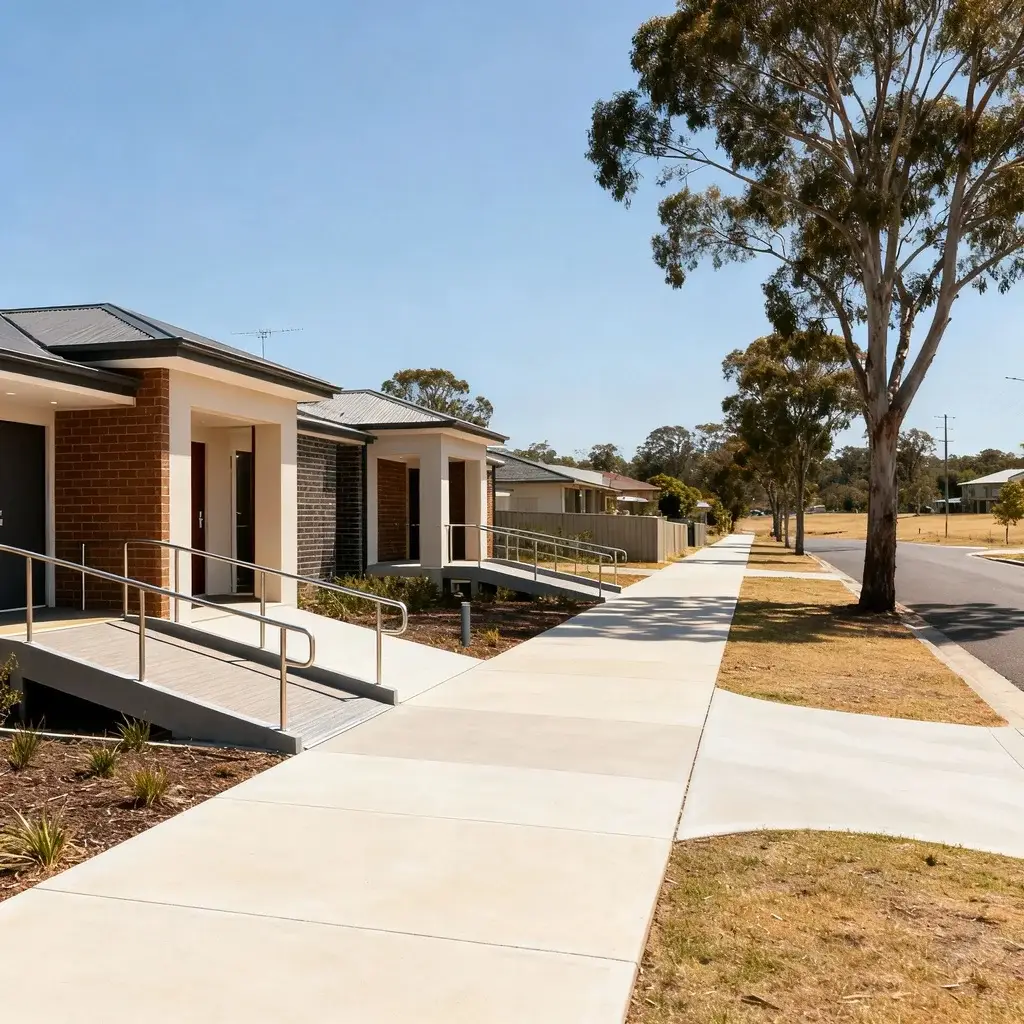
Aged care at home South West Sydney from Guia. Reliable support workers who show up consistently and become part of your family’s everyday routine.

NDIS allied health support sydney from Guia. Reliable support workers who show up consistently and become part of your family’s circle. Peace of mind fo…
The Home Modifications and Mobility Decision Guide
How to access NDIS home modifications and mobility equipment — without losing months to assessments or buying the wrong solution.
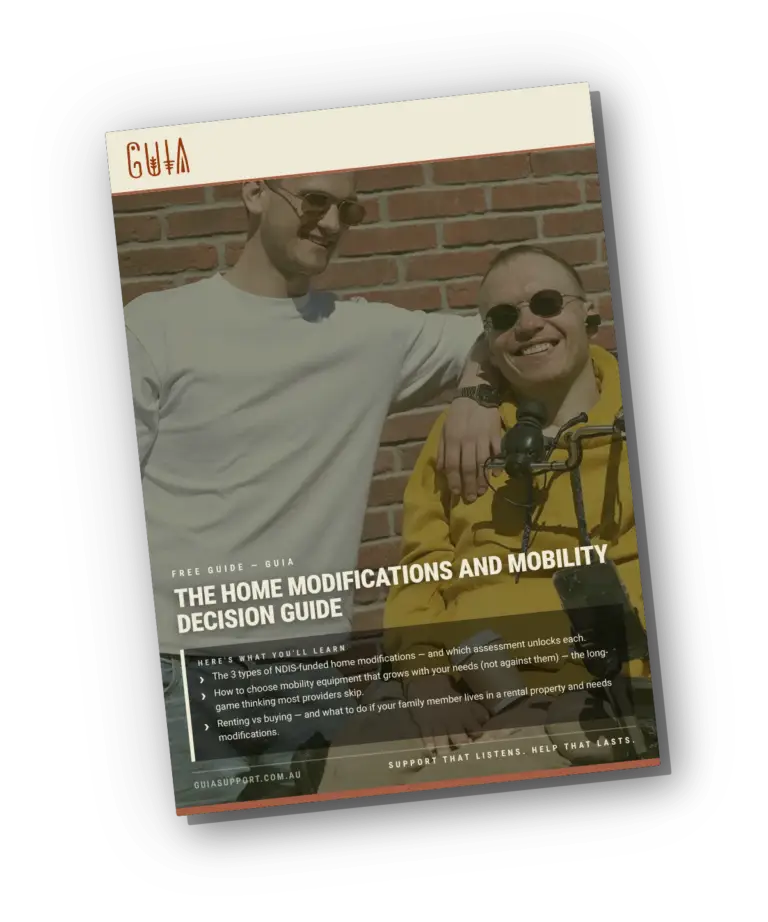
Here's What You'll Learn:
The 3 types of NDIS-funded home modifications — and which assessment unlocks each.
How to choose mobility equipment that grows with your needs (not against them) — the long-game thinking most providers skip.
Renting vs buying — and what to do if your family member lives in a rental property and needs modifications.
ARE YOUR NDIS SUPPORTS WORKING FOR YOU?
GET A FREE NDIS PLAN MANAGEMENT REVIEW