

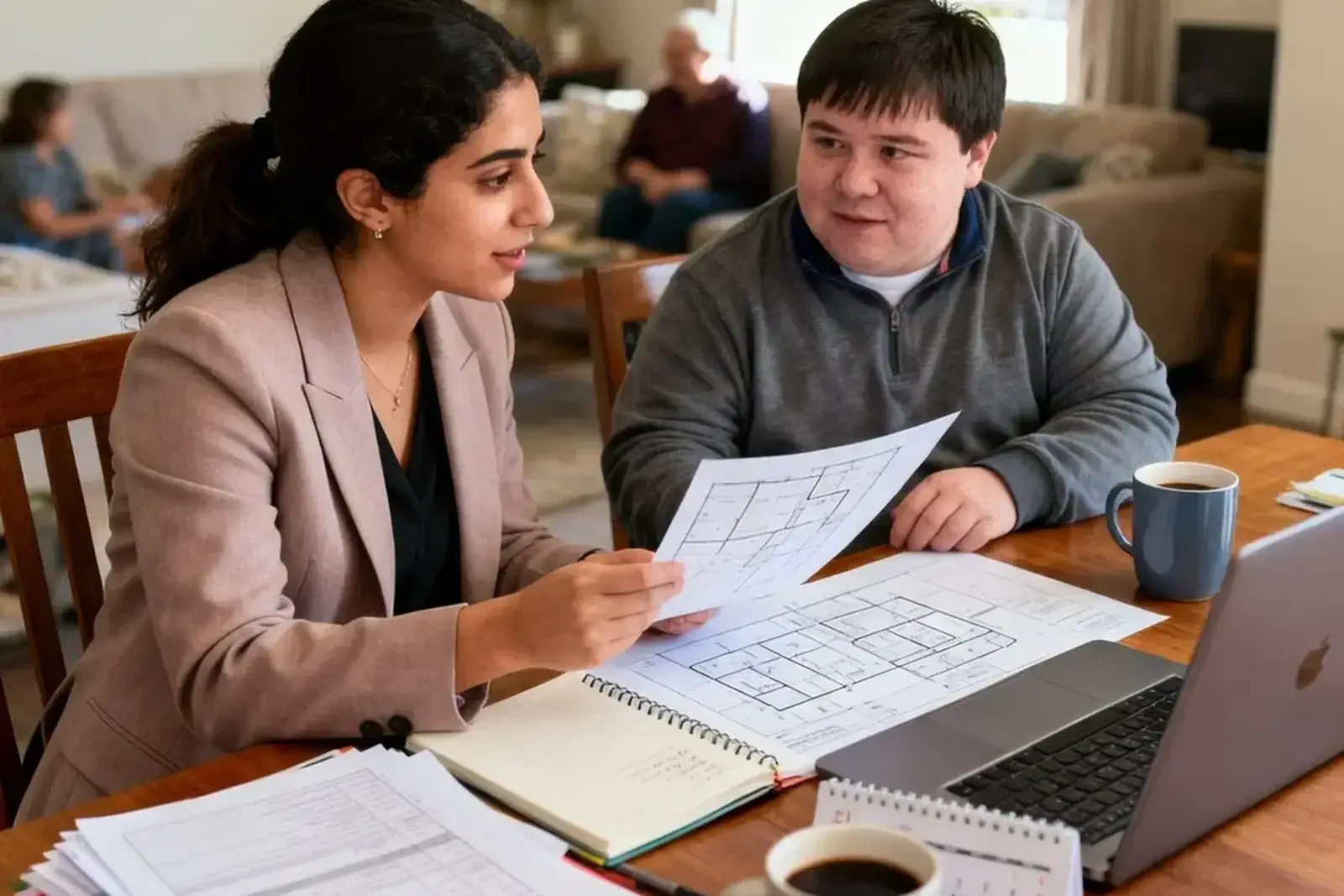
New NDIS plan: your first 30 days, in order
A new plan arrives and nothing tells you what to do first. Here is the order we work through with families in South West Sydney, and the two mistakes that cost the most.
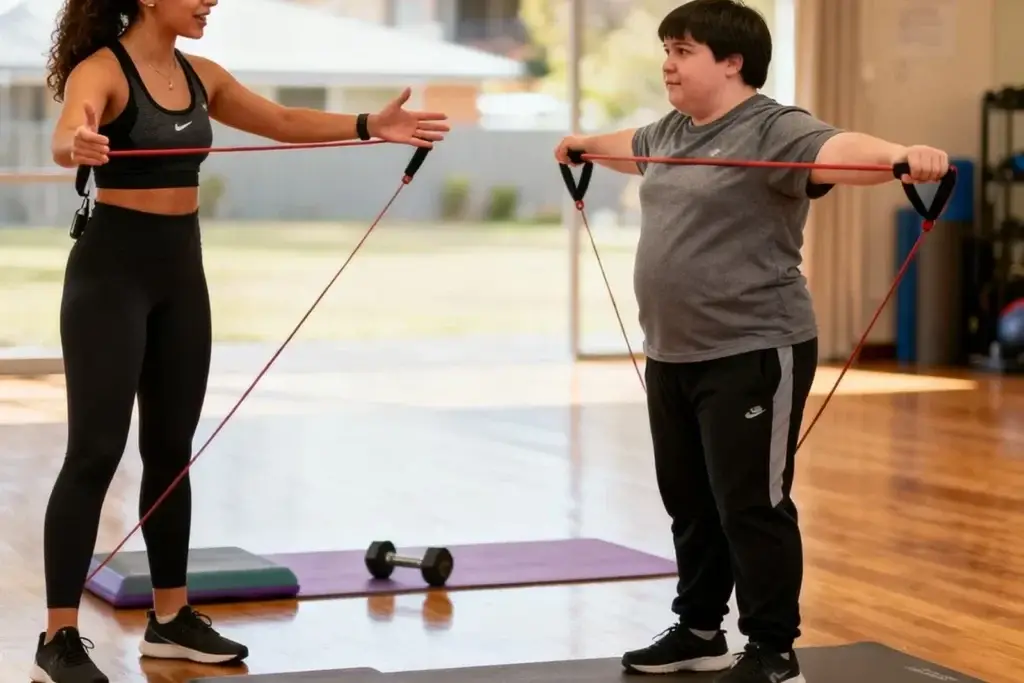
When you’re supporting someone with disability, NDIS allied health often feels like a missing piece. You know movement, fitness, and wellbeing matter—but finding a provider who actually shows up on time, remembers what your family member needs, and treats them as a capable person is harder than it should be. The worry sits there: will they cancel last minute, or worse, will they just go through the motions without really understanding what matters to your family.
Exercise physiology and personalised fitness support work because they build capacity over time, not through one-off sessions. An accredited exercise physiologist designs movement tailored to your family member’s body and goals—then consistency is the mechanism that makes it stick. When the same support worker shows up every Tuesday at 2pm, your family member builds trust, confidence, and real progress. That reliability is what turns a provider into someone who feels like part of your extended team.
Here’s what that looks like in practice. Guia matches support workers based on what your family member actually needs—not just availability. We’re NDIS-registered and all staff are qualified and worker-screened. If your family speaks Arabic, Spanish, or uses Auslan, we find someone who does too. When you enquire about allied health support, we listen first, then build a plan that fits your family’s routine and values, not the other way around.
NDIS allied health support means movement, fitness, and wellbeing tailored to what your family member actually needs—not a one-size-fits-all programme. If you’re wondering whether exercise physiology or personal training fits into their plan, or how to find someone who’ll show up consistently and understand their body, you’re asking the right questions.
What we hear from families is that finding the right fit takes time. You need someone who listens to what matters most—whether that’s building strength for daily tasks, managing pain, improving confidence in their body, or simply having a support worker who gets their routine and respects their pace. That’s not always easy to find.
Here’s what that looks like in practice. An accredited exercise physiologist works with your family member to understand their goals and any health considerations. They design movement that fits into real life—not a gym programme. A personal trainer might focus on building specific skills or confidence. Both sit within your NDIS plan under the Allied Health & Wellness category, and both should feel like someone you’d trust with someone you love.
The most common starting point is clarity. You need to know what’s actually funded through the NDIS, who can deliver it, and whether the person showing up will be reliable and respectful. That’s not a small ask—it’s the foundation of everything else.
If that sounds like the kind of support you’re after, here’s what happens next. Talk to us about what your family member needs, and we’ll match them with someone who fits. No pressure, no rush. When you’re ready, enquire about support and we’ll take it from there.
When your family member has NDIS allied health funding, it’s easy to assume all movement-based support looks the same. It doesn’t. Exercise physiology, physiotherapy, and personal training each have a different focus—and understanding the difference helps you choose what actually fits your situation.
Exercise physiology is about building fitness and strength to support daily life. An accredited exercise physiologist designs movement tailored to your family member’s body, goals, and any health considerations. They’re trained to work with people managing chronic conditions, mobility changes, or recovery. Physiotherapy, by contrast, focuses on restoring function after injury or managing a specific condition—it’s more clinical. Personal training builds fitness and confidence through structured workouts, often with less medical training than the other two.
Here’s what that looks like in practice. Say your adult son has NDIS funding for allied health. An exercise physiologist might start with a conversation about what matters to him—maybe he wants to walk further, feel stronger at work, or manage pain. They’d design a programme, show him the movements, and gradually build his confidence over weeks. They notice small wins: better posture, less fatigue, more energy. They’re not treating an injury; they’re building capacity.
The key difference for families: exercise physiology through NDIS is about long-term independence and wellbeing. It’s preventative and empowering. A physiotherapist treats a specific problem. A personal trainer builds fitness. An exercise physiologist, working with your family member’s NDIS plan, does both—and documents progress in a way that matters for your plan review.
If you’re unsure which fits your family member’s needs, that’s exactly where we help. Guia’s allied health team can talk through your situation and match the right support. When you’re ready, enquire about support and we’ll take it from there.
Many families think NDIS allied health support means clinical therapy—something you’d get in a hospital or specialist’s office, delivered by someone with a qualification that fixes a problem. That’s understandable. The word “allied health” sounds medical; but that’s not what we’re talking about here.
Allied health support funded through the NDIS is about building movement, fitness, and wellbeing in ways that fit your family member’s actual life. An accredited exercise physiologist might design a programme that helps your son feel stronger and more confident moving around his community. A personal trainer might work with your daughter on the specific physical goals she’s set—maybe climbing stairs without pain, or building the stamina to do something she loves. It’s not about diagnosis or treatment. It’s about capability and choice.
Here’s what that looks like in practice. Rather than one-off appointments in a clinic, you get ongoing support tailored to what matters to your family member. If they’re autistic and sensory sensitivities affect how they move or exercise, we build that into the plan. If English isn’t your first language, we match you with a Spanish-speaking or Arabic-speaking support worker who understands both movement and your family’s communication needs.
The other thing families often miss: allied health support isn’t separate from daily life. It happens at home, in your local park, or in community spaces your family member already uses. It’s built around their routine, not added on top of it. That’s the difference between support that feels like an appointment and support that feels like part of being well.
When you’re ready to explore what allied health support could look like for your family member, we’re here to talk through it without pressure. Enquire about support and we’ll match you with someone who gets both the NDIS and your family’s situation.
NDIS allied health support means movement, fitness, and wellbeing help designed by qualified professionals and tailored to your goals. It sits within your NDIS plan under “Assistance with Daily Personal Activities” and covers services like Exercise Physiology delivered by accredited exercise physiologists.
Here’s what that looks like in practice. An exercise physiologist might work with your family member on strength and flexibility, pain management, or building confidence with movement after injury. A personal trainer qualified in disability support might help them stay active in ways that suit their body and routine. These aren’t one-off sessions—they’re part of ongoing support that builds over time.
What allied health and wellness does NOT do is provide medical diagnosis or treatment. If your family member needs therapy for a diagnosed condition, that’s a clinical service outside the NDIS. Your GP or specialist would recommend those. What NDIS allied health does is support movement, fitness, and wellbeing in a way that fits their life and goals—whether that’s walking further, managing pain, building strength, or simply feeling better in their body.
The key difference is choice and control. Your family member (or you, if you’re directing their plan) decides what movements or activities matter most. A good allied health provider listens to that and builds support around it, not the other way around. They also respect routines, sensory needs, and cultural preferences—so if your family member works better with a Spanish-speaking or Auslan-trained support worker, that’s what should happen.
If this sounds like the kind of support your family member could use, Guia’s allied health team can help. We work across South West Sydney with exercise physiologists and personal trainers trained in disability support. When you’re ready, enquire about support and we’ll talk through what might work for your situation.
NDIS allied health support sits within your participant’s plan under different funding categories depending on what they’re working towards. Understanding which category applies helps you make confident choices about what’s actually available and how to use it well.
Core Supports cover day-to-day needs like exercise physiology or personal training that directly support daily living, mobility, or self-care. Capacity Building Supports fund services designed to build skills and independence over time — think structured fitness programs that help someone regain confidence after injury or illness. Both are negotiated as part of your plan, and both give you choice about which provider delivers them. The NDIS scheme is built on participant choice and control, which means you decide how to spend allocated funds within your support categories.
What matters in practice: your plan will list allied health supports as either a dollar amount or a number of sessions per quarter. You’re not locked into one provider. If exercise physiology isn’t working out, you can change. If you want to try personal training instead, that conversation happens between you, your support coordinator, and your plan — not between the provider and the NDIS.
Funding doesn’t cover everything. The NDIS doesn’t pay for general fitness classes, gym memberships, or wellness activities available to the public. It does cover tailored allied health delivered by qualified practitioners — accredited exercise physiologists, for example — where there’s a clear link to your disability support goals.
Here’s what that looks like in practice: a participant might have $2,000 allocated for allied health per year. They choose to spend it on fortnightly exercise physiology sessions with someone who understands their mobility goals. Another participant uses the same budget for personal training focused on building strength after a change in their circumstances. Both are valid uses of the same funding category.
When you’re ready to explore what allied health support could mean for your family member, we can walk through how your plan works and what options fit your goals. Get in touch to discuss your situation.
When your family member has a progressive neurological condition, the line between what support can do and what sits outside it needs to be crystal clear. NDIS allied health support through Guia is built around what you and your family decide matters most — but it’s worth knowing upfront what falls within that scope and what doesn’t.
Here’s what sits squarely in your hands. You choose whether to access allied health support at all, and if you do, which type fits your family member’s goals. You decide how often support happens — weekly sessions, fortnightly check-ins, or a mix that changes as needs shift. You pick the support worker you’re comfortable with, and we work to match someone whose approach and communication style feels right. You set the schedule around your routines and preferences. You also shape what the support focuses on — whether that’s movement and fitness, wellbeing strategies, or building confidence in daily activities.
What sits outside this support matters just as much to understand. NDIS allied health doesn’t include medical diagnosis, treatment recommendations, or clinical advice — that’s your GP or specialist’s role. We don’t manage your NDIS plan or make decisions with the NDIA about your funding. We can’t promise specific health outcomes or improvements; support works best when it’s part of a bigger picture that includes your medical team. We also don’t step into aged care planning or complex health management — though we can work alongside those services if your family member accesses them.
The goal is simple: you stay in control, we stay in our lane, and your family member gets reliable, dignified support that actually fits your life. When you’re ready to explore what NDIS allied health could look like for your family, we’re here to answer your questions without pressure.
Enquire about support and we’ll walk through what’s possible together.
Allied health support through your NDIS plan sits in the “Improved Health and Wellbeing” category. It covers movement, fitness, and wellness support tailored to what matters to you. The question is whether it’s already in your plan, or whether a plan review might discover it.
Here’s what that looks like in practice. If your family member mentions stiffness in their shoulders after sitting all day, or they’ve stopped doing the walking they used to enjoy, or they’re keen to build strength but don’t know where to start—those are signals that exercise physiology or personal training could help. You don’t need a medical referral. You just need a goal that’s about movement, fitness, or wellbeing.
Another common starting point is when a participant wants to stay active but needs someone who understands their body and their pace. An autistic adult might do better with a consistent, predictable session at the same time each week. Someone with a physical disability might need equipment training or modifications to make movement feel safer. A family member managing their own health alongside caring for someone else might benefit from peer-led wellness groups. These aren’t one-size-fits-all scenarios—they’re real situations where the right support makes a difference.
Check your NDIS plan document. Search for “health and wellbeing” or “exercise physiology” in the support categories section. If it’s already there, you can start exploring providers now. If it’s not listed, or if the funding feels too small for what you need, a plan review conversation with your support coordinator is the next step. They can help you make the case for a change or increase based on your family member’s actual goals.
When you’re ready to explore what’s possible, we’re here to answer questions about how allied health support works in practice—and whether it’s the right fit for your situation.
An autistic adult in their mid-twenties came to Guia with a straightforward goal: get stronger and feel more confident moving around. They’d been spending most days at home, and their family worried about their fitness and sense of purpose. Their NDIS plan included funding for allied health support, but they weren’t sure what that actually meant or how to start.
We matched them with an accredited exercise physiologist who specialised in working with autistic adults. The support worker understood sensory needs—they kept sessions predictable, started with a quiet warm-up, and worked at a pace that felt manageable. Sessions happened every Tuesday afternoon at a local gym, same time, same space. That consistency mattered more than the family expected.
Over four months, the shifts were real but quiet. Stronger legs meant they could walk to the local shops without needing a rest halfway. Better balance meant less anxiety about stairs. The exercise physiologist also helped them build a simple routine they could do at home on other days—not because they had to, but because they wanted to. That’s the difference between being told what to do and choosing what works for your body.
What the family noticed most was the confidence; their son started asking to go out more. He’d mention the gym sessions to relatives without prompting. He wasn’t transformed overnight—that’s not how support works—but he felt more in control of his own strength and what his body could do.
This is what NDIS allied health support can look like in practice: a qualified professional who gets your situation, shows up reliably, and helps you build toward goals that matter to you. If that sounds like the kind of support you’re after, we’re here to help you work out the next step.
NDIS allied health funding sits within two main support categories: Core Supports and Capacity Building. Which one applies depends on your family member’s plan and what the support worker will help them do. Understanding this difference makes it easier to know what your plan actually covers.
Core Supports fund ongoing, regular help with daily living and personal care. If your family member needs movement support or fitness help as part of their everyday routine—say, twice-weekly exercise physiology sessions to build strength for daily tasks—this typically comes from Core. The NDIS sets a price guide for each support type, and your plan will show how much funding is allocated to this category each year.
Capacity Building supports skill development and independence over time. If the goal is to help your family member learn new movement patterns, build confidence in community fitness, or develop habits that increase their independence, this sits in Capacity Building. Again, the NDIS price guide sets the rate, and your plan shows your annual allocation.
Here’s what matters in practice: the actual cost depends on the support worker’s qualifications and the type of activity. An accredited exercise physiologist costs differently than a personal trainer. A one-hour session in your home costs differently than a group fitness class. Your plan letter will itemise this clearly.
Some families find their plan doesn’t stretch far enough for the allied health support they need. If that’s the case, gap funding—paying the difference yourself—is an option some families explore. But that’s a conversation worth having with your support coordinator first. They can help you understand what’s realistic within your plan and what alternatives might exist.
When you’re ready to explore how allied health funding works in your family member’s specific plan, we’re here to help you make sense of it. Enquire about support and we’ll walk you through the options.
When you’re ready to explore NDIS allied health support, the process is straightforward. Your first call is a quick chat where we listen to what matters most to your family member. We ask about their goals, what a typical week looks like, and what kind of support would actually help. There’s no pressure to decide anything on that first conversation.
Within a few days, we’ll send you simple information about how we work and what to expect. We’ll also ask a few more questions so we can understand the right fit; if your family member uses a support coordinator, we can chat with them too. This helps everyone stay on the same page about what the plan includes.
Next comes the match. We don’t just pick any support worker—we think carefully about who would work best with your family member. If language or cultural connection matters, we make sure that’s part of the picture. We have Spanish-speaking and Arabic-speaking team members across South West Sydney, and we can arrange Auslan-trained support where needed. You’ll meet the person (or people) who’ll be providing support before the first visit.
Your first visit usually happens within one to two weeks. The support worker arrives on time, settles in, and starts exactly as you’ve planned together. Whether that’s movement and fitness work, help building confidence for community outings, or something else entirely, we follow your family member’s lead. They’re in control of what happens and how.
Throughout, you’ll have a direct contact at Guia if questions come up. We’re here to make sure the support actually works for your family, not just in theory but in practice. If you’d like to start that first conversation, enquire about support and we’ll take it from there.
Choosing the right allied health and wellness provider matters. Your support worker becomes part of your family’s routine, so it’s worth asking the hard questions upfront. Here’s what to clarify before you commit.
At Guia, we believe consistency and respect matter most. Our team is NDIS-registered and trained to treat every participant as a capable adult deserving dignity. We match support workers carefully—considering language, cultural fit, and your specific goals—and we show up reliably, every time. When you’re ready to explore what that looks like for you, enquire about support.
Finding the right allied health provider means knowing what to watch for. Some providers sound good on paper but don’t deliver the consistency and flexibility your family member needs. Here’s what signals a poor fit.
At Guia, we match support workers based on what your family member actually needs — not what fits our schedule. We’re NDIS-registered and all staff are qualified and worker-screened. We offer exercise physiology and personal training tailored to individual goals, with flexibility built in. When you’re ready to explore allied health support that fits your life, enquire about support.
When NDIS allied health support is working well, you’ll notice patterns that tell you the fit is right. The most reliable sign is consistency. The same exercise physiology worker or personal trainer shows up on the same day, at the same time, week after week. Your family member knows what to expect; there’s no scrambling for cover when someone calls in sick. That predictability matters more than people realise—it builds trust and lets your family member focus on the work itself, not on managing changes.
Communication that flows both ways is another clear marker. The support worker checks in regularly about what’s working and what isn’t. They listen when your family member says “I don’t like that exercise” or “Can we try something different? ” and they adjust without making it awkward. You hear about progress in plain language—not clinical notes you have to decode, but actual updates about what happened in the session and what they noticed about your family member’s engagement or confidence.
Your family member’s priorities stay at the centre. If they wanted to build strength for a specific reason—getting back to playing a sport, managing pain during daily tasks, or simply feeling steadier on their feet—the support worker keeps returning to that goal. Sessions aren’t . They’re shaped around what matters to your family member.
Finally, you’ll see small shifts in confidence or capability that feel real. Not dramatic overnight changes, but genuine ones. Your family member might mention they felt less sore after an activity. They might attempt something they’d avoided before. They might ask questions about movement or fitness that suggest they’re thinking about their body differently. These quiet wins are how you know the support is landing.
If this sounds like the kind of support you’re after, enquire about NDIS allied health support with Guia. We’ll match your family member with a support worker who shows up consistently and listens to what matters most.
When NDIS allied health support isn’t working, you have real options. It’s your plan, your choice, and you deserve support that actually fits your life and your family’s needs.
Start with the provider directly. Tell them what’s not working—whether it’s timing, the support worker’s approach, communication style, or cultural fit. Many issues get sorted with a straightforward conversation. If feedback doesn’t lead to change, ask to speak with a manager or request a different support worker who might be a better match.
You can also ask your support coordinator to help advocate for you. They know your plan and your goals, and they can work with the provider to find solutions or discuss whether a different provider might serve you better.
If you want to switch providers entirely, you can. Your NDIS plan belongs to you. Talk to your coordinator about other allied health providers in South West Sydney who offer exercise physiology, personal training, or wellness support that aligns with what you need.
For serious concerns—if you feel disrespected, unsafe, or that your rights have been breached—you can lodge a formal complaint with the NDIS Quality and Safeguards Commission. They investigate complaints about registered providers and can take action if standards aren’t met.
Choice and control matter. Support should feel reliable, respectful, and genuinely tailored to you. If it doesn’t, that’s a signal to explore other options. When you’re ready to discuss allied health support that works for your family, we’re here to help.
You’ve probably noticed that finding NDIS allied health support that actually fits your family member’s life is harder than it sounds. There’s the terminology to decode, the question of whether a provider will show up consistently, and the worry about whether they’ll understand what matters most to your family.
Here’s what that looks like in practice. When you’re exploring NDIS allied health options across South West Sydney, you’re not just choosing a service—you’re choosing someone who’ll work alongside you over time. You need to know they understand your family member’s goals, not just tick boxes. You need reliability. And you need support workers who feel like part of your extended team, not a rotating door of strangers.
What we hear from families is that consistency matters more than anything else. A support worker who shows up on time every week, who learns your family member’s routines and preferences, who communicates clearly about what’s working and what isn’t—that’s the difference between support that helps and support that adds stress.
At Guia, we match participants with support workers based on what your family actually needs, not just availability. Our team includes accredited exercise physiologists and personal trainers who design movement and wellness support tailored to individual goals. We’re NDIS-registered and Code of Conduct compliant, and we’ve built our practice on lived experience of disability and family caregiving. We also offer support in English, Spanish, and Arabic, because language and cultural fit matter.
If that sounds like the kind of support you’re after, there’s no rush. Whenever you’re ready to explore what NDIS allied health could look like for your family member, enquire about support. We’re here to answer your questions and help you figure out the next step at your pace.
A new plan arrives and nothing tells you what to do first. Here is the order we work through with families in South West Sydney, and the two mistakes that cost the most.
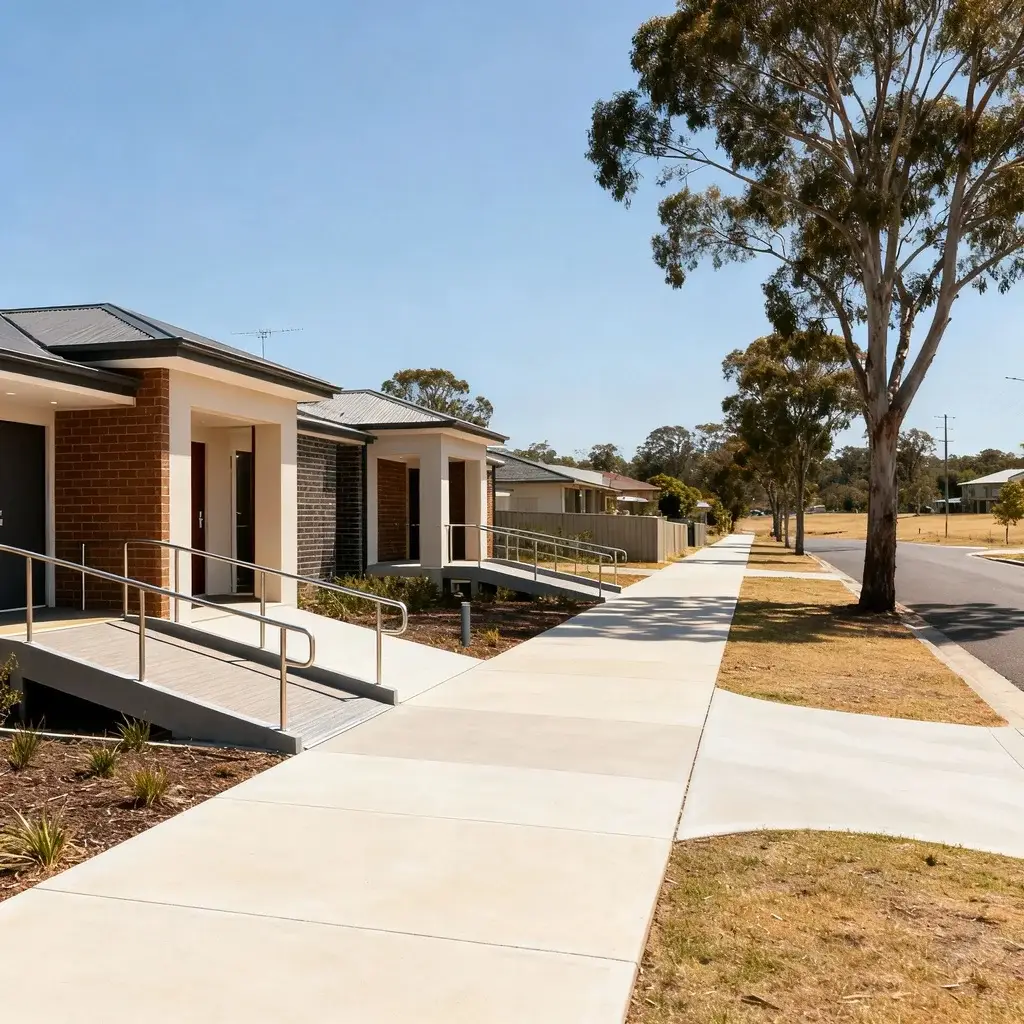
Aged care at home South West Sydney from Guia. Reliable support workers who show up consistently and become part of your family’s everyday routine.

NDIS allied health support sydney from Guia. Reliable support workers who show up consistently and become part of your family’s circle. Peace of mind fo…
The Allied Health and NDIS Decision Guide
How NDIS-funded exercise physiology and allied health builds long-term wellbeing — and how to know if it's the right call for your plan.
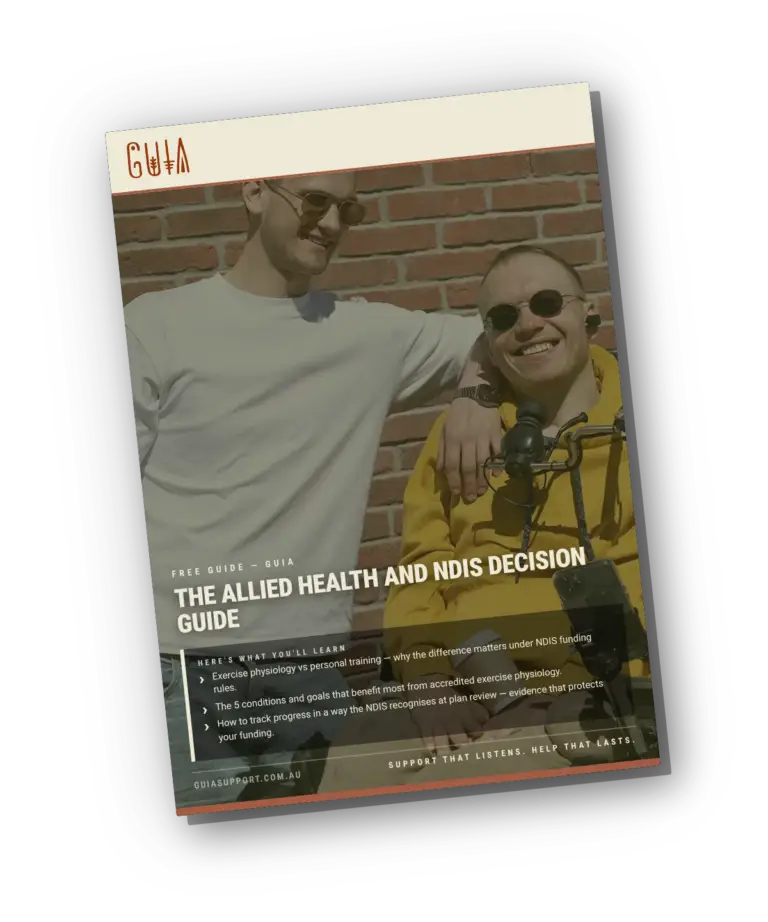
Here's What You'll Learn:
Exercise physiology vs personal training — why the difference matters under NDIS funding rules.
The 5 conditions and goals that benefit most from accredited exercise physiology.
How to track progress in a way the NDIS recognises at plan review — evidence that protects your funding.
ARE YOUR NDIS SUPPORTS WORKING FOR YOU?
GET A FREE NDIS PLAN MANAGEMENT REVIEW