

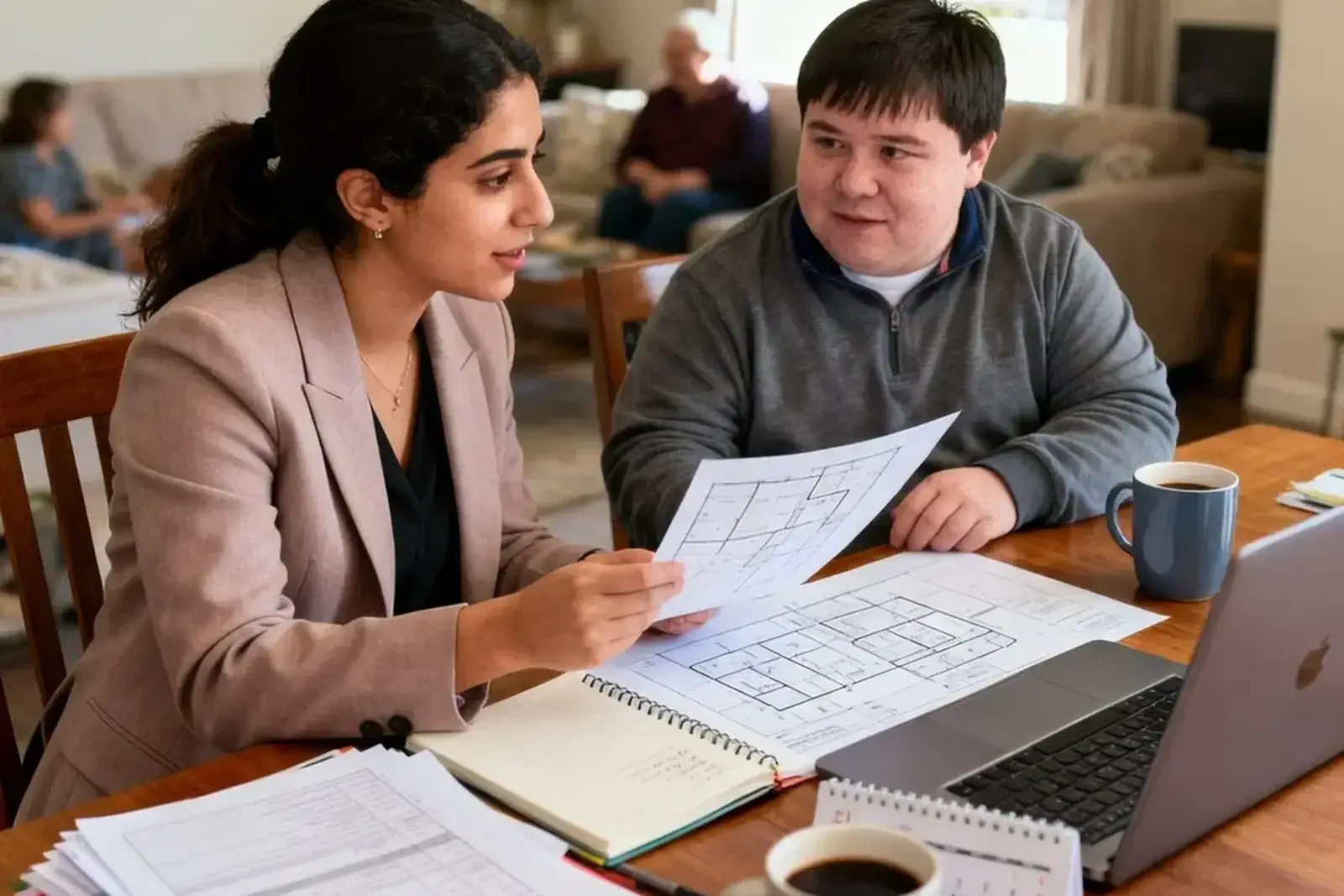
New NDIS plan: your first 30 days, in order
A new plan arrives and nothing tells you what to do first. Here is the order we work through with families in South West Sydney, and the two mistakes that cost the most.

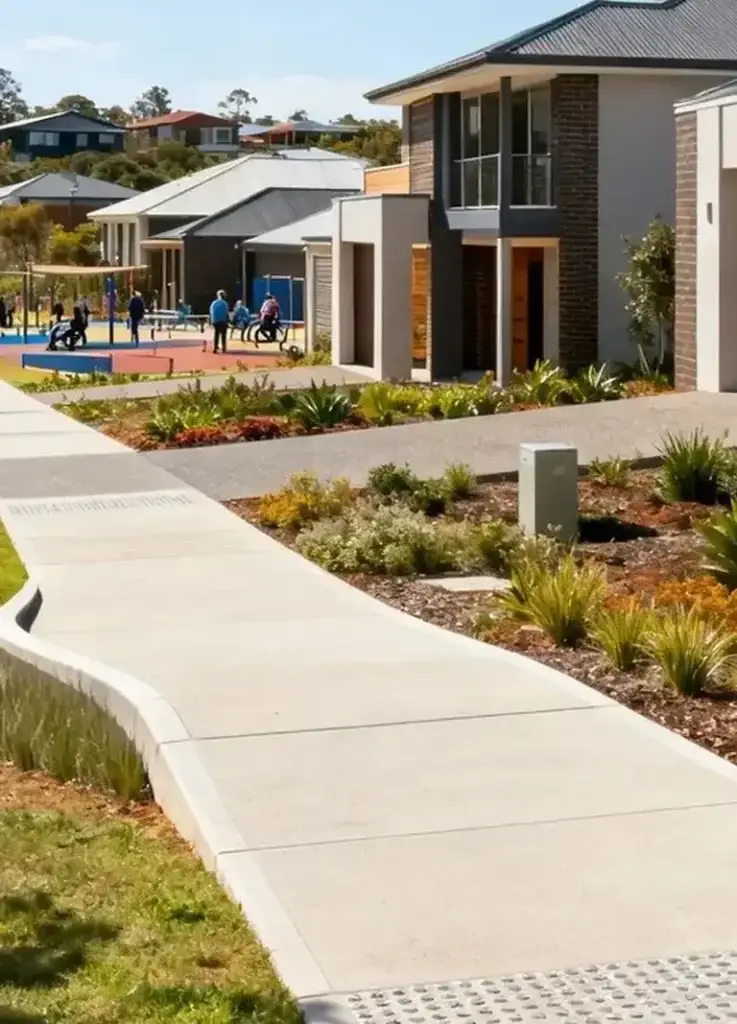
When you’re researching NDIS allied health support Sydney, you’re often looking for one thing: a provider who shows up. Consistently. Reliably. The worry most families carry isn’t about whether allied health exists — it’s whether the person supporting your family member will actually be there next Tuesday, and the Tuesday after that. Inconsistency breaks trust faster than anything else. It also breaks momentum. When a support worker cancels or changes, your family member loses continuity, confidence, and the small routines that make progress feel real.
Allied health and wellness support works because it builds capacity over time through regular, predictable contact. Exercise physiology, personal training, and health coaching aren’t one-off sessions — they’re progressive. Your family member’s body adapts. Their confidence grows. Their fitness improves. But only if the same trained person shows up week after week, remembering what worked last session and adjusting what didn’t. That consistency is how movement becomes habit, and habit becomes independence.
Here’s what that looks like in practice. Guia matches your family member with a qualified support worker and keeps that match stable. We’re NDIS-registered and Code of Conduct compliant. Our team includes staff who speak English, Spanish, and Arabic, so cultural and linguistic fit isn’t an afterthought. When you enquire about allied health support, you’re not just booking sessions — you’re building a relationship with someone who becomes part of your family’s extended team.
When you’re looking for NDIS allied health support Sydney, you’re often asking a practical question: how do I help my family member build strength, move more confidently, or feel better in their body—without it feeling like a chore or a medical appointment?
Allied health and wellness support under the NDIS covers movement, fitness, and wellbeing tailored to what each person actually wants to achieve. That might be rebuilding confidence after an injury, managing pain through exercise, or simply having someone who understands their body and their goals work alongside them consistently.
Here’s what that looks like in practice; an accredited exercise physiologist doesn’t just hand over a workout plan. They listen to what matters to your family member—whether that’s walking to the local shops, playing with grandchildren, or just feeling stronger day-to-day. They design support around those real goals, not around what they think disability “should” look like.
What we hear from families is that consistency matters more than intensity. A support worker who shows up the same day and time each week, who remembers what your family member said last session, and who adjusts the plan when something isn’t working—that’s the difference between support that sticks and support that gets abandoned.
Cultural and linguistic fit matters too. If your family member speaks Arabic, Spanish, or Auslan at home, having a support worker who shares that language means they can focus on the movement and the goals, not on translating instructions or feeling like they need to explain themselves.
The NDIS funds this support through your family member’s plan—it’s not something you pay out of pocket. If you’re not sure whether allied health is right for them, or how to match them with someone who’ll actually show up and do the work well, that’s exactly what we help families figure out.
Here’s what that looks like in practice. Sarah, a 34-year-old autistic adult, has exercise physiology twice a week as part of her NDIS allied health support. On Tuesday afternoons at 2 pm, her exercise physiologist arrives with a clear plan tailored to Sarah’s goals—building strength and managing sensory sensitivities around movement.
The first 15 minutes are always the same. They sit in the lounge, go through what Sarah wants to focus on that day, and talk through any changes to her routine. This consistency matters. Sarah knows what to expect, which means her anxiety about the session stays low. Her support worker notices she moves more freely when the environment feels predictable.
For the next 40 minutes, they work through gentle resistance exercises at home—nothing that requires Sarah to leave her familiar space or navigate a crowded gym. Her physiologist watches her posture, adjusts the intensity based on how her body is responding that day, and explains what each movement is building toward. Sarah feels in control because she can say “stop” or “slower” and be heard immediately.
Before leaving, the physiologist leaves written notes about what went well, what Sarah found tricky, and what to try between sessions. These notes go into a shared folder Sarah’s family can access. They see the progress. They understand what the support is actually doing. There are no vague promises—just honest observations and a clear picture of where things are heading.
This is how NDIS allied health support works when it’s designed around the person, not around filling a service slot. Reliability. Respect. Real progress you can see and feel. If this sounds like the kind of support your family member needs, here’s what happens next.
Enquire about support with Guia. We’ll listen to what matters most and match you with someone who gets it.
Many families think allied health support through the NDIS means physiotherapy or speech pathology — clinical services delivered by a therapist in a clinic setting. It’s an understandable assumption; but NDIS allied health and wellness is broader and more flexible than that.
Here’s what that looks like in practice. Exercise physiology, personal training, and health coaching sit squarely within NDIS-funded allied health. These supports focus on movement, fitness, and wellbeing tailored to your family member’s actual goals and body — not a diagnosis-driven treatment plan. An accredited exercise physiologist might work with your son on building strength for independent transfers at home, or help your daughter develop a fitness routine that fits her sensory needs and weekly rhythm.
The difference matters because it puts choice and control back in your hands. Instead of waiting for a referral or attending appointments on someone else’s schedule, you’re funding support that works around your family’s life. If your family member needs consistent, reliable movement support on a Tuesday afternoon at home, that’s what we arrange. If they’re autistic and need a support worker who understands routine and sensory awareness, we match them carefully.
It’s worth knowing that allied health and wellness under the NDIS isn’t about “fixing” anything. It’s about building confidence, strength, and independence at the pace that suits your family member. Some participants use it to stay active and well. Others use it to learn new skills or prepare for work or study. The goal is always theirs, not ours.
When you’re ready to explore what allied health support could look like for your family, we’re here to talk through your actual needs — not assumptions about what allied health “should” be.
Exercise physiology is movement therapy designed by accredited exercise physiologists specifically for NDIS participants. It’s not gym membership. It’s not personal training in the commercial sense. It’s tailored movement support that helps you build strength, flexibility, confidence, and everyday function at a pace that suits your body and your goals.
Here’s what that looks like in practice. An exercise physiologist meets with you (and your family or support worker if that helps) to understand what matters to you. Can you walk further without pain? Do stairs feel safer? Do you want to build stamina for a hobby or community activity? Do you need support managing a health condition? They listen to your actual life, not a programme.
They then design movement sessions tailored to your needs, your ability right now, and what you’re working towards. Sessions might happen at home, in a community space, or outdoors. A Spanish-speaking or Auslan-trained physiologist can be matched to you if that’s what works best. The goal is always the same: help you feel stronger, more capable, and more in control of your body.
Allied health and wellness support through your NDIS plan does NOT include diagnosis or treatment of medical conditions. That’s the role of your GP or hospital team. What it does include is movement, fitness, and wellbeing support that complements the medical care you’re already receiving. It’s about building your capacity and confidence over time, not fixing something broken.
If you’re wondering whether this kind of support fits your family member’s needs and goals, that’s exactly the conversation to start. We match participants with exercise physiologists who understand their situation and communicate in their language. When you’re ready, enquire about support and we’ll talk through what’s possible.
NDIS allied health support sydney works differently depending on which part of your plan it sits in. Your support coordinator or planner will have sorted this when your plan was approved, but it’s worth understanding how it affects what you can actually access and when.
Most allied health sits in your Core Supports — the everyday help you need regularly. Exercise Physiology, personal training, and wellness support usually live here. Core Supports are flexible. You can use them whenever suits your routine, and you choose which provider delivers them. If your family member needs movement support on Tuesday afternoons or wants to build fitness with an accredited exercise physiologist, that’s a Core Support decision you make together.
Some allied health might also sit in Capacity Building if the goal is to develop a new skill or build independence over time — like learning to manage a fitness routine independently, or building confidence in community settings through structured wellness programs. The NDIS funds both, but Capacity Building is time-limited and goal-focused. Your plan will spell out what applies to your family member’s situation.
What matters most is that you’re not locked into one provider or one type of support. You direct how the funding is used. If the current approach isn’t working, you can change it. That’s choice and control in practice — and it’s why finding a provider who listens to what your family actually needs matters more than the funding category itself.
When you’re ready to explore what allied health support could look like for your family member, we can walk you through your plan together and match them with a support worker who fits. No pressure, no jargon — just clarity and a plan that works for your life.
When you’re working with an exercise physiologist or personal trainer through NDIS allied health support, you get to decide what matters most. That might be building strength for daily tasks, managing pain, improving balance, or simply feeling stronger in your body. The support is shaped around your goals, not the other way around.
Here’s what that looks like in practice. You choose how often support happens—whether that’s weekly sessions, fortnightly check-ins, or a mix that fits your life. You decide which support worker you want to work with, and Guia matches you with someone whose approach and communication style feel right. You set the schedule that works for your routine, and you control what gets done in each session.
What’s your call:
What’s outside this support:
The difference matters. Allied health support through your NDIS plan builds your capacity and confidence over time. It’s not about fixing something broken. It’s about helping you move, feel, and live the way you want to. When you’re ready to explore what NDIS allied health support in South West Sydney could look like for you, enquire about support and we’ll talk through your goals and what’s possible.
Allied Health & Wellness support through NDIS is designed for people who want to build strength, fitness, or general wellbeing with professional guidance. It’s not therapy or treatment—it’s about movement and health goals that matter to you or your family member.
You might already have this category in your NDIS plan. Check your plan document for “Allied Health & Wellness” or “Exercise Physiology” listed as a support category. If it’s there, you can start using it now. You don’t need to wait for a plan review. Many families discover they have funding allocated but haven’t yet matched it to a provider they trust.
Here’s what that looks like in practice. Your family member might benefit from Allied Health & Wellness if they want to build confidence with movement after time at home, work toward a specific fitness goal like walking further, or simply have regular support to stay active and well. An accredited exercise physiologist designs the programme around their body, goals, and what they actually enjoy—not a routine.
Cultural and linguistic fit matters here too. If your family member communicates best in Arabic, Spanish, or Auslan, having a support worker who shares that language or skill removes a barrier and builds real trust. That’s not a luxury—it’s how good support actually works.
Another signal: you’re managing fatigue, pain, or low motivation around movement, and your family member needs someone to show up consistently and make it feel like part of their week. Reliability matters. When a support worker cancels last-minute, the whole routine falls apart and motivation drops. That’s why we match carefully and keep the same worker where possible.
If any of these sound familiar, Allied Health & Wellness might be the right fit. When you’re ready to explore what that could look like for your situation, enquire about support and we’ll talk through your current plan and what’s possible.
Marcus is an autistic adult in his mid-twenties living in Bass Hill. He’d always struggled with routine exercise — sensory sensitivities meant crowded gyms felt overwhelming, and he lost motivation quickly without structure. His family worried he was spending too much time indoors, but they weren’t sure how to help without pushing him into situations that felt uncomfortable.
When Marcus’s NDIS plan included Allied Health & Wellness support, his support coordinator suggested exercise physiology sessions tailored to his needs. Guia matched him with an exercise physiologist who understood autistic sensory preferences and worked with Marcus to design sessions in a quiet, predictable space. They started with low-impact movement twice weekly, building routines Marcus could rely on.
Within three months, Marcus had more energy and better sleep. More importantly, he felt in control of his fitness journey — not pushed, not judged. His support worker checked in about what felt manageable each week, adjusted intensity based on his feedback, and celebrated small wins without making a fuss about them. That consistency mattered more than any perfect workout plan.
His family noticed the difference too; marcus was more willing to leave the house for other activities. He talked about his sessions without frustration. He’d built genuine confidence in his body, not because someone told him he should exercise, but because the support actually fitted how he works.
If your family member needs NDIS allied health support in South West Sydney, this is how it can look in practice — tailored, consistent, and designed around their actual life. When you’re ready to explore what Allied Health & Wellness could mean for your family, enquire about support and we’ll walk you through the next steps at your pace.
Your NDIS plan includes funding for allied health and wellness support under two main categories: Core Supports and Capacity Building. Core Supports cover personal care, daily living, and community access; capacity Building supports help you develop skills and independence over time. Exercise physiology, personal training, and health coaching typically fall into Capacity Building.
The NDIS uses a price guide to set reasonable rates for allied health services. Your support worker’s qualifications, experience, and the type of support determine the hourly rate. An accredited exercise physiologist costs differently than a personal trainer, for example. Your plan approval letter shows exactly which support categories you have funded and how much is available.
Here’s what that looks like in practice: your plan might include $5,000 for Capacity Building supports over twelve months. When you engage a provider, they bill against that amount based on actual sessions delivered. If sessions cost more than the price guide allows, you and the provider discuss whether a gap exists and how to manage it together. We’re transparent about costs upfront so there are no surprises.
Support coordinators and plan managers help families understand what’s funded and what isn’t. If you’re unsure whether a particular wellness activity is covered, ask your coordinator or contact the NDIS official site for clarity. Many families find it helpful to review their plan annually with their coordinator to adjust allied health supports as needs change.
When you’re ready to explore allied health support, we can walk you through how your plan funding works and match you with a qualified support worker who fits your goals and preferences. Enquire about support with Guia, and we’ll help you make the most of what’s available to you.
When you call Guia about NDIS allied health support, you’ll speak with someone who listens to what matters. We’ll ask about your family member’s goals—whether that’s building strength, managing pain, or simply feeling more confident moving. No script, no rush. We ask real questions because the right match depends on understanding what you actually need.
Most families hear back within one business day. We’ll confirm your NDIS plan includes allied health support, check which registration groups apply, and answer any questions about how exercise physiology works under the scheme. If you’re not sure whether your plan covers it, we’ll help you work that out together.
Next comes the meet-the-team conversation. One of our accredited exercise physiologists will chat with you and your family member about their health history, what they enjoy, and what gets in the way of movement right now. This isn’t a formal assessment—it’s a chance to see if we’re a good fit. We’ll talk through what a typical session looks like, how often it might happen, and how we adjust things based on what works.
Once everyone’s ready, we’ll match your family member with a support worker. We pay real attention to this part. If your family speaks Arabic, Spanish, or needs Auslan, we’ll match accordingly. If routine matters, we’ll keep the same worker and same time slot. If your family member has sensory sensitivities or autism, we build that into how we show up.
Your first visit usually happens within two to three weeks. The physiologist will spend time understanding how your family member moves, what feels good, and what goals matter most. From there, you’ll have a clear plan—what happens at each session, how progress looks, and how often you’ll check in together.
When you’re ready to start the conversation, enquire about support and let us know you’re interested in exercise physiology. We’ll take it from there.
Choosing the right NDIS allied health support provider in Sydney means asking the right questions upfront. A good provider will welcome your inquiry and answer clearly, because they know you’re making a decision that affects your family member’s wellbeing and your peace of mind.
At Guia, we’ve been NDIS-registered for two years and built our allied health support around consistency, dignity, and person-centred matching. We speak English, Spanish, and Arabic, and our team is trained to listen to what matters most to you and your family. When you’re ready to explore support that fits your needs, enquire about support.
When you’re looking for NDIS allied health support in Sydney, not every provider will be the right fit for your family member. Some red flags are easy to spot once you know what to look for.
At Guia, we build relationships that last. Our team stays consistent, listens to what actually works for your family member, and shows up reliably. We’re NDIS-registered and Code of Conduct compliant, with all staff qualified and worker-screened. If you’d like to explore allied health and wellness support that fits your family’s real needs, enquire about support today.
When allied health support is working well, you’ll notice it in small, steady ways; the same support worker shows up on Tuesday afternoons at 2 p. m., knows your family member’s routine, and doesn’t need to be briefed from scratch each visit. That consistency matters more than you might think. It builds trust, reduces anxiety, and lets the actual work—whether that’s movement, fitness, or wellbeing—move forward without constant starting over.
Communication becomes regular and two-way. You’re not chasing updates or wondering what happened in the last session. The support worker checks in after visits, mentions what went well, asks what your family member wants to focus on next week. You feel like you’re part of the plan, not kept on the outside of it. That’s how you know the provider respects your role as the everyday decision-maker.
Your family member starts setting their own priorities. They might say, “I want to work on walking to the shops,” or “I’m interested in trying swimming. ” The support worker listens and builds sessions around what matters to them, not what sounds good on paper. When people have real choice and control over their support, engagement changes. You’ll see more willingness to participate, fewer cancellations, and a sense that the work is genuinely theirs.
You notice practical changes too. Maybe your family member has more energy, moves with less pain, or feels more confident in their body. Maybe they’re sleeping better or managing their day with less stress. These aren’t dramatic transformations—they’re the quiet wins that make daily life feel a bit easier, a bit more within reach.
If that’s the kind of support you’re after, Guia can help. We match participants with qualified, reliable allied health support workers who show up consistently and listen to what matters. When you’re ready to explore what that looks like for your family member, enquire about support.
If exercise physiology support isn’t working the way you need it to, you have real options. This isn’t about accepting a poor fit—it’s about using the choice and control that comes with your NDIS plan.
The most common starting point is a conversation with your support worker or their manager. Sometimes a small adjustment—a different time slot, a focus on a particular movement goal, or a support worker who speaks your language—makes all the difference. If your family member works better with someone who understands their communication style or cultural background, that’s a legitimate request worth raising.
If feedback to the provider doesn’t shift things, you can ask for a different support worker within the same organisation. Many providers, including Guia, match participants with workers based on what actually works for each person—not just who’s available. A change of worker can completely reshape the experience.
You’re also free to switch providers altogether. Your NDIS plan belongs to you. If another allied health provider in South West Sydney feels like a better fit for your family member’s goals and personality, that’s your call to make. A good provider will support that transition without friction.
If you’ve raised concerns and nothing changes, formal complaints are available through the NDIS Quality and Safeguards Commission. They investigate concerns about provider conduct and compliance—that’s their job, and families use this pathway when they need to.
What matters is that your family member gets support that feels respectful, reliable, and genuinely tailored to their goals. If you’d like to explore what a different approach to allied health support might look like, we’re here to talk it through.
If you’re thinking about NDIS allied health support in Sydney, the first step doesn’t have to be complicated. You might be wondering whether exercise physiology or personal training is right for your family member, or how to fit wellness support into an already busy week. That’s normal. Most families start by asking questions, not by committing to anything.
Here’s what that looks like in practice with Guia. You reach out through our contact page, and we listen to what matters most — whether that’s building strength after an injury, managing sensory needs through movement, or simply having someone show up consistently who understands your family’s routine. We match support workers based on what you actually need, not on availability alone. That means a Spanish-speaking exercise physiologist if that’s what fits your home, or someone trained in Auslan if that’s how your family communicates.
We know families worry about reliability. You need a provider who shows up on time, every time, and treats your family member as a capable adult deserving respect. We’ve been registered with the NDIS Quality and Safeguards Commission for two years, all our staff are qualified and worker-screened, and we’re built on lived experience of disability and family caregiving. That’s not marketing — that’s how we actually work.
When you’re ready to explore what allied health support could look like for your family, enquire about support and we’ll have a conversation with no pressure. You stay in control of the pace and the decisions. If it’s not the right fit, that’s okay. But if it’s, we’ll be the steady, dignified partner you’ve been looking for.
A new plan arrives and nothing tells you what to do first. Here is the order we work through with families in South West Sydney, and the two mistakes that cost the most.
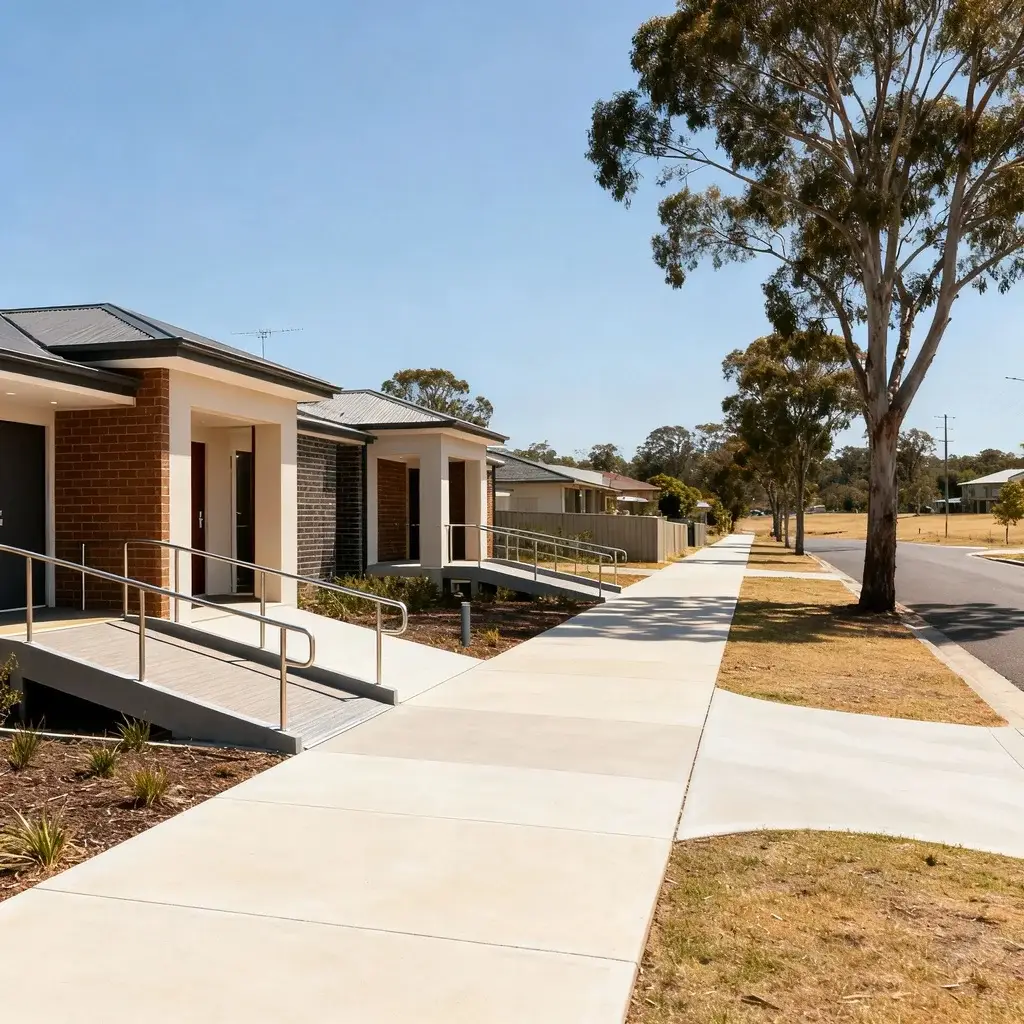
Aged care at home South West Sydney from Guia. Reliable support workers who show up consistently and become part of your family’s everyday routine.

Multilingual aged care from Guia. Reliable support workers who show up consistently in South West Sydney. Family-centred care where caregivers become pa…
The Allied Health and NDIS Decision Guide
How NDIS-funded exercise physiology and allied health builds long-term wellbeing — and how to know if it's the right call for your plan.
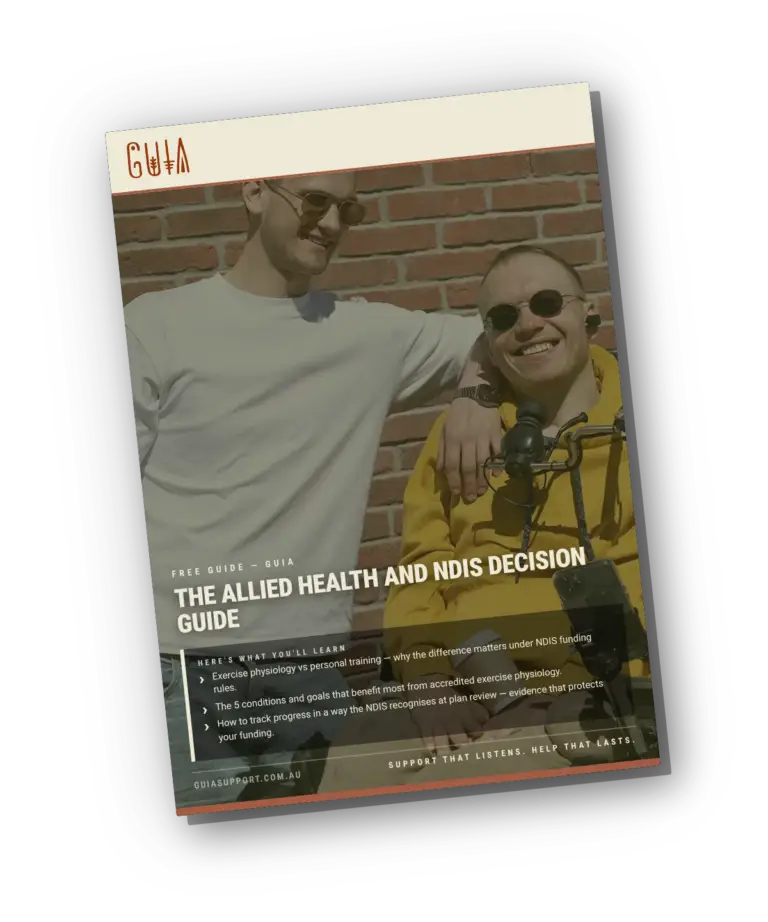
Here's What You'll Learn:
Exercise physiology vs personal training — why the difference matters under NDIS funding rules.
The 5 conditions and goals that benefit most from accredited exercise physiology.
How to track progress in a way the NDIS recognises at plan review — evidence that protects your funding.
ARE YOUR NDIS SUPPORTS WORKING FOR YOU?
GET A FREE NDIS PLAN MANAGEMENT REVIEW