


New NDIS plan: your first 30 days, in order
A new plan arrives and nothing tells you what to do first. Here is the order we work through with families in South West Sydney, and the two mistakes that cost the most.
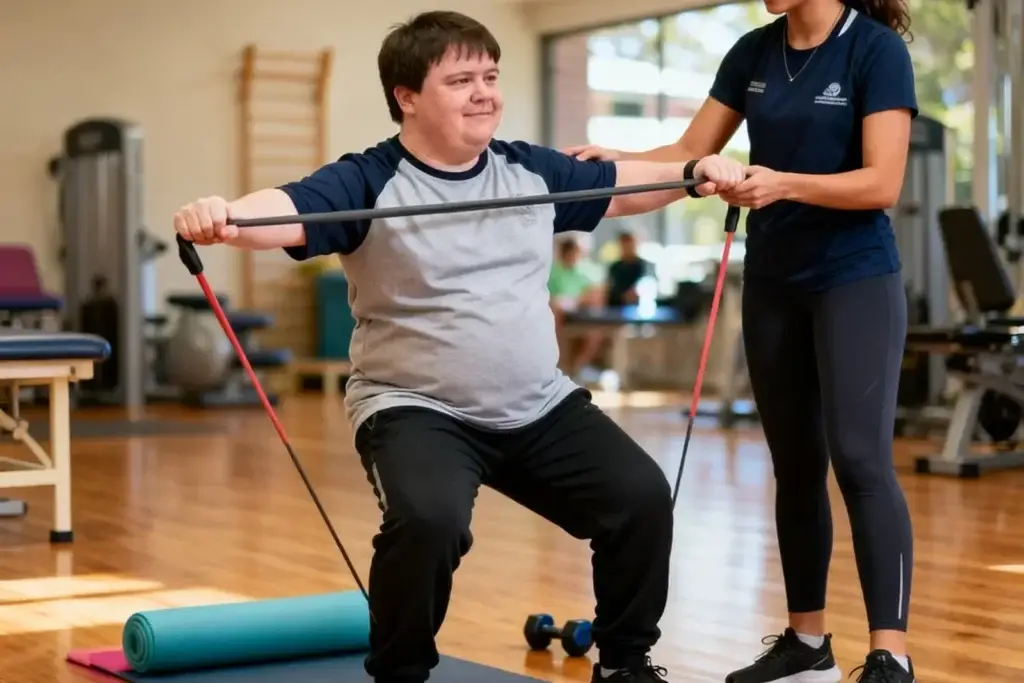
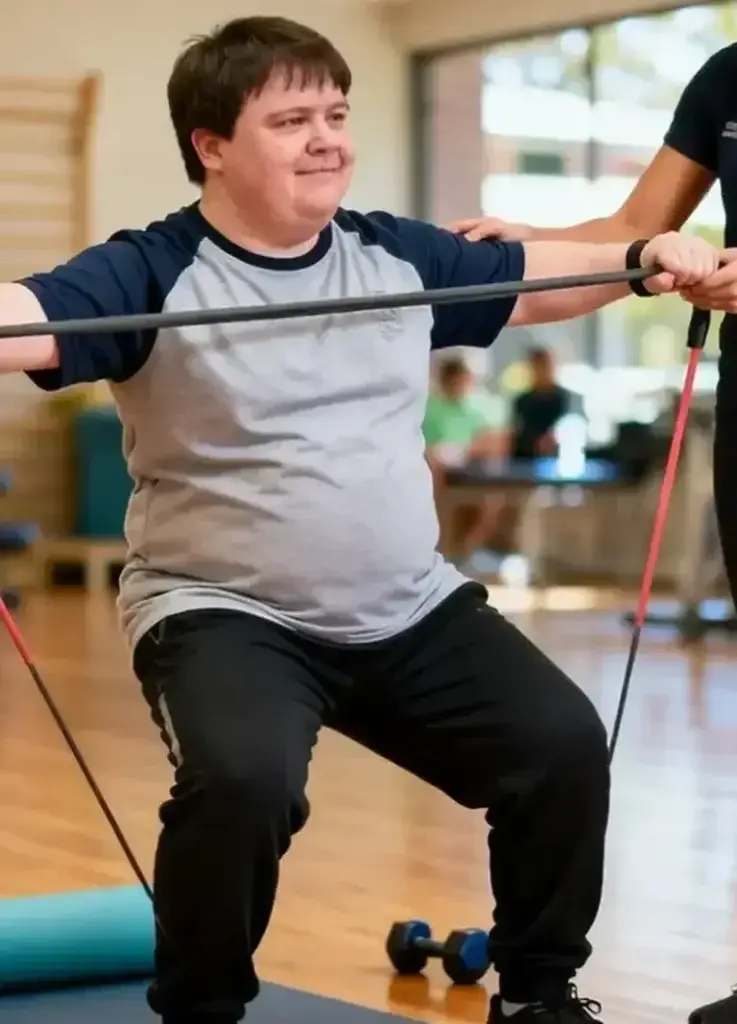
Exercise physiology vs physiotherapy often confuses families because both involve movement and recovery—but they work through different mechanisms. Physiotherapy typically focuses on treating injury or managing a specific condition after diagnosis. Exercise physiology, by contrast, builds overall fitness, strength, and movement capacity as a foundation for independence and daily life. For families supporting someone with disability, this distinction matters because it shapes what your family member can actually do over time, not just what they recover from today.
When you choose exercise physiology through your NDIS plan, an accredited exercise physiologist designs movement sessions tailored to your family member’s specific goals and body. They’re not treating a condition—they’re building capacity. Sessions might focus on strengthening the legs to walk further, improving balance to reduce falls, or building endurance for community activities. The mechanism is simple: consistent, structured movement designed by someone qualified in exercise science creates real, measurable changes in what your family member can do independently.
Here’s what that looks like in practice. A support worker arrives on Tuesday afternoon at 2 p. m. —the same time, every week—and that consistency matters more than most families realise. Your family member knows when to expect them. The routine builds trust. Over weeks and months, small gains compound: a bit more strength, a bit more confidence, a bit more independence. That’s the kind of reliable, dignified support that becomes part of your family’s rhythm. When you’re ready to explore how exercise physiology fits your family member’s plan, we can talk through what’s possible.
Exercise physiology vs physiotherapy — which one does your family member actually need? It’s a question many families in South West Sydney ask when they’re setting up NDIS support, and the answer isn’t always obvious. Both involve movement and fitness, but they work differently and suit different goals.
Here’s what that looks like in practice. Physiotherapy focuses on treating injury, pain, or movement problems after something has changed — maybe a stroke, surgery, or an accident. A physiotherapist works to restore function and manage pain; exercise physiology is different. An accredited exercise physiologist designs movement programs to build fitness, strength, and everyday capacity over time. They’re focused on what your family member can do and want to achieve, not on fixing a specific injury.
What we hear from families is that the choice often comes down to what your family member needs right now. If they’re recovering from something specific, physiotherapy might be the right fit. If they want to build strength, improve their fitness, or feel more confident moving around — whether that’s walking further, managing stairs, or just feeling stronger in their body — exercise physiology is usually where to start.
The good news is you don’t have to figure this out alone. When you’re ready to explore Allied Health & Wellness support through your NDIS plan, a support coordinator or provider can help you work out which approach matches your family member’s actual goals. At Guia, our exercise physiologists work with participants across South West Sydney to build movement programs that fit their life, not the other way around. If you’d like to talk through what might work best, we’re here to help.
Enquire about support and we’ll walk you through your options.
Physiotherapy focuses on treating injury, pain, or movement problems after they’ve happened. A physiotherapist works from a medical model—they assess what’s gone wrong, diagnose the issue, and design treatment to fix it. If your family member has had a stroke, a sports injury, or arthritis, physiotherapy helps restore function in that specific area.
Exercise physiology is different. An accredited exercise physiologist designs movement programs for people living with ongoing disability, chronic health conditions, or mobility challenges. Rather than treating an injury, they build capacity, strength, and confidence over time. The focus is on what your family member can do now—and what becomes possible with consistent, tailored movement support.
Here’s what that looks like in practice. A Tuesday afternoon visit might start with your exercise physiologist arriving at 2 p. m. They spend the first ten minutes chatting about how the past week went—energy levels, what felt good, what was harder. Then they move through a short warm-up at the kitchen table, maybe some seated stretches or gentle arm movements. Nothing rushed. They notice if your family member seems tight on one side, or if they’re moving more freely than last week. That observation shapes what happens next.
The actual session might be twenty minutes of supported standing practice, using the kitchen bench for balance. Or it could be floor work—lying down, moving through a sequence of movements designed to build core strength without pain. Your exercise physiologist talks through each movement, adjusts their hands-on support based on what they feel, and celebrates the small wins. Before they leave, they write down what you both did and what to watch for during the week. They’re building your family member’s independence, not creating dependence on appointments.
The difference matters when you’re choosing support. If you’re managing an ongoing disability and want your family member to build strength and confidence over months, exercise physiology is the fit. When you’re ready to explore what that looks like for your situation, get in touch with us.
Many families think exercise physiology and physiotherapy are the same thing. They’re not—and knowing the difference matters when you’re planning support for someone you care about.
Physiotherapy focuses on treating injury or illness. A physiotherapist diagnoses a specific problem and works to restore function after an accident, surgery, or medical condition. That’s clinical work, and it’s valuable; but it sits outside the NDIS support framework for most participants.
Exercise physiology is different. An accredited exercise physiologist designs movement and fitness programs tailored to your family member’s goals and body—not to treat a diagnosis. They might help someone build strength for everyday tasks, improve balance to reduce falls, or develop a fitness routine that fits their life. The focus is on capacity building and wellbeing, not clinical recovery.
Here’s what that looks like in practice: if your adult son uses a wheelchair and wants to strengthen his upper body for independence, an exercise physiologist creates a programme that works. If your daughter is autistic and finds gym environments overwhelming, they design something that respects her sensory needs and builds confidence at her pace. If your mum is ageing and wants to stay active in her community, they support that goal directly.
That’s why exercise physiology sits within NDIS support categories. It’s about empowering participants to do more of what matters to them—not treating a medical condition. The difference is real, and it changes what kind of support makes sense for your family.
If you’re thinking about movement or fitness support for someone in your care, we can help you work out whether exercise physiology fits their goals. When you’re ready, get in touch with us to talk through what that could look like.
Allied Health & Wellness is support designed to help you or your family member build strength, confidence, and everyday capacity through movement and fitness. It’s not medical treatment—it’s about what your body can do, and helping it do more of what matters to you.
The key difference between exercise physiology and physiotherapy often confuses families new to the NDIS. Exercise physiology focuses on building fitness, strength, and movement capacity over time through tailored programs. A physiotherapist typically works on specific injuries or mobility problems after they’ve happened. Under the NDIS, exercise physiology sits in the Allied Health & Wellness category and is funded as a support service. Physiotherapy is usually funded through your regular healthcare (Medicare or private insurance), not your NDIS plan—though your support coordinator can help clarify what applies to your situation.
Here’s what that looks like in practice. An accredited exercise physiologist at Guia designs a movement programme matched to your goals—whether that’s building stamina for work, improving balance at home, or simply feeling stronger day-to-day. Sessions happen one-on-one or in small groups, depending on what suits you. The physiologist checks in regularly, adjusts the programme as you progress, and works with you to build habits that stick.
It does NOT include diagnosis of medical conditions, treatment of injuries, or clinical advice—those sit outside the NDIS. What it does include is the confidence and capacity to move your own body the way you want to. Many families tell us this is the difference between feeling stuck and feeling like they’re building toward something.
If you’re wondering whether exercise physiology fits your family member’s NDIS plan, your support coordinator can check your funding. When you’re ready to explore what’s possible, we’re here to answer questions and match you with an exercise physiologist who gets your goals.
Your NDIS plan sits in one of three funding buckets, and where exercise physiology or other allied health support sits depends on what your plan goals are. Understanding this matters because it shapes what you can choose and how often you can access support.
Core Supports cover everyday assistance with daily personal activities — things like personal care and household tasks. Allied health sits here only if it’s directly linked to managing a daily living goal. For example, if your plan includes movement support to help you get ready in the morning, that might be funded as Core. Most exercise physiology and wellness support, though, lives in Capacity Building.
Capacity Building funds supports that help you build skills, confidence, and independence over time. This is where most allied health sits. If your goal is to improve your strength, balance, or fitness — or to build the confidence to move more — exercise physiology through NDIS funding typically lives here. You choose how often you access it and which provider you work with. That choice and control is yours.
Some participants in Supported Independent Living (SIL) have allied health woven into their 24/7 support plan. If you live in shared accommodation and movement or fitness is part of your independence goals, that can be coordinated as part of your SIL package.
The key thing: your plan is built around your goals, not the other way around. If better movement, strength, or fitness matters to you or your family member, that conversation starts with your support coordinator or planner — they help match the right support type and funding category to what you actually want to achieve.
When you’re ready to explore what allied health support could look like for your situation, we’re here to help you understand your options. Enquire about support and we’ll walk you through how it works in practice.
When you’re comparing exercise physiology vs physiotherapy through your NDIS plan, the cost difference matters—but so does knowing what you actually control. Here’s the honest picture.
Exercise physiology is typically funded as a support service under your NDIS plan. That means the cost sits within your plan budget, and you decide how often you want sessions, which exercise physiologist you work with, and what time of week suits your routine. You’re in the driver’s seat on frequency, location (home or community), and the specific goals you want to work toward—whether that’s building strength, improving mobility, or gaining confidence with movement.
Physiotherapy, by contrast, is often funded differently depending on your plan. Some participants have it covered as a support service; others access it through other funding streams or private arrangements. The funding pathway affects your choice, so it’s worth check-ing your plan documents or talking to your support coordinator about how your particular plan treats this service.
What’s your call:
What’s outside this support:
The real difference isn’t just cost—it’s clarity. When you know what you control, you can make choices that actually fit your life. If you’d like to talk through how exercise physiology or another allied health support might work within your plan, we’re here to help.
Enquire about support and we’ll walk you through the options in plain language.
If your family member is spending more time sitting than moving, or if they’ve mentioned feeling stiff or tired, exercise physiology might already fit into their NDIS plan. It’s worth check-ing your plan documents — many families don’t realise movement support is already funded under Allied Health & Wellness.
Look for these concrete signals. Does your family member have goals around building strength, improving balance, or getting back to activities they enjoyed? An accredited exercise physiologist designs movement tailored to their body and goals — not gym routines. This is different from physiotherapy, which focuses on recovery from injury or managing a specific condition. Exercise physiology builds capacity and confidence over time.
Another signal: your family member struggles with motivation or routine around movement. A consistent support worker showing up the same day each week makes a real difference. They learn what works, build trust, and the routine itself becomes part of the support. That reliability matters as much as the exercise itself.
If your family member uses Auslan, speaks Arabic or Spanish at home, or feels more comfortable with a support worker who shares their cultural background, that’s worth flagging now. Guia matches participants with exercise physiologists and support workers who speak their language and understand their routines. It’s not about finding someone who ticks a box — it’s about building a relationship where your family member feels respected and in control.
Your plan may already include Allied Health & Wellness funding. You don’t need to wait for a plan review to explore what’s possible. If you’re unsure whether exercise physiology fits, or you’d like to talk through how it could work alongside other supports, reach out. We can help you understand what’s already available and what happens next.
Marcus is an autistic adult in his mid-twenties living in Bass Hill with his mum. He’d always been sedentary — partly routine, partly because he wasn’t sure what movement felt safe in his body. His NDIS plan included Allied Health & Wellness funding, but his mum wasn’t sure whether physiotherapy or exercise physiology would suit him better.
The difference turned out to matter. A physiotherapist would have focused on treating a specific injury or mobility problem. Marcus didn’t have one. What he needed was someone to help him build confidence moving his body in ways that felt predictable and good. That’s where exercise physiology fit. An accredited exercise physiologist designed a programme tailored to his goals and sensory needs — not a clinical treatment plan, but a movement pathway he could actually stick with.
Here’s what that looked like in practice: a weekly one-hour session at a local gym in his suburb, same time every Tuesday. His exercise physiologist started by understanding his routine preferences and what kinds of movement made him feel overwhelmed. They built in clear structure, minimal surprises, and regular check-ins about how his body felt. Over four months, Marcus went from avoiding the gym to attending independently, knowing exactly what to expect.
His mum noticed he had more energy at home and seemed more settled. For Marcus, the real win was choice — he wasn’t being “treated” for a condition, he was building a skill and a routine he controlled. When you’re looking at your family member’s Allied Health & Wellness options, that distinction matters. Exercise physiology is about building capacity and confidence over time. It’s support that respects who they are right now.
If your family member needs movement support that’s tailored to their goals rather than a clinical diagnosis, we can help match them with an exercise physiologist who gets their needs. Enquire about support and we’ll talk through what might work.
Your NDIS plan sets aside funding for Allied Health & Wellness support under two main categories. Core Supports cover day-to-day assistance with daily living and personal care. Capacity Building supports help you build skills, confidence, and independence over time. Exercise physiology typically sits within Capacity Building, as it focuses on movement and fitness goals you’re working towards.
The NDIS uses a price guide to set reasonable costs for different support types. For exercise physiology, your plan will reflect the accredited exercise physiologist’s qualifications and the type of support you need—whether that’s one-to-one sessions at home, gym-based training, or group fitness programs. Your support coordinator or planner will have worked through these costs when your plan was approved.
What matters most is that the funding allocated matches what you actually need. If you’re an autistic adult who benefits from routine and sensory-aware movement, or a family supporting someone with physical disability goals, the plan should reflect that specificity. Vague funding lines don’t help anyone; your plan should be clear about what support is approved and what it covers.
Sometimes families find there’s a gap between what’s funded and what would genuinely help. That’s a real conversation to have with your support coordinator; at Guia, we’re transparent about what your plan covers and what it doesn’t. We work within your approved budget and help you make the most of it—without pressure to spend beyond what makes sense for you.
If you’re unsure whether your current plan funding is right for exercise physiology or another Allied Health & Wellness support, that’s exactly what we can help clarify. When you’re ready to explore your options, get in touch and we’ll walk through it together in plain language.
When you first call Guia, you’ll speak with someone who listens more than they talk. We ask about your family member’s goals—what movement or fitness matters to them, what they want to feel stronger doing, what their daily routine looks like. This isn’t a checklist. It’s a conversation.
From that first chat, we match you with an exercise physiologist whose experience and communication style fit your family. If your family member speaks Arabic or Spanish at home, we’ll arrange that. If they’re autistic and prefer written summaries over phone calls, we work that way. This matching step takes a few days—we don’t rush it.
Before the first visit, we send you a simple overview of what to expect. Your exercise physiologist will arrive on time, meet your family member in their own space, and spend the first session understanding what they can do now and what they’d like to build toward. They’ll look at movement patterns, chat about pain or stiffness, and talk through realistic goals together.
Equipment depends entirely on your family member’s needs and NDIS plan. Some people work with items—resistance bands, a yoga mat, a sturdy chair. Others benefit from specialised equipment we can source and set up at home. Your exercise physiologist will be clear about what’s needed and why, so there are no surprises when funding is discussed.
The whole process—from first call to first visit—usually takes one to two weeks. We know families are busy and want to get started without unnecessary waiting. If you’d like to talk through whether exercise physiology fits your family member’s goals, enquire about support and we’ll walk you through it step by step.
Choosing the right allied health provider means asking the right questions upfront. These questions help you understand how a provider works, whether they’ll be reliable, and if they’re the right fit for your family member’s needs and goals.
At Guia, we believe consistency and respect matter. We match you with the same support worker where possible, provide multilingual staff, and explain everything plainly. NDIS-registered for two years, we’re built on lived experience of disability and family caregiving. When you’re ready to explore allied health support that treats your family member as a capable adult, enquire about support.
When you’re choosing an exercise physiology or wellness provider for your family member, it’s worth watching for patterns that signal the support won’t be reliable or person-centred. These red flags often show up early—sometimes in the first conversation, sometimes after a few weeks of support.
At Guia, we’re NDIS-registered and all staff are qualified and worker-screened. We match support workers thoughtfully, show up reliably, and adjust our approach to how your family member actually needs to move and build wellness. When you’re ready to explore exercise physiology vs physiotherapy and what fits your plan, enquire about support.
The best sign that exercise physiology or movement support is working is consistency. You’ll notice the same support worker showing up on the same day, at the same time, week after week. That reliability builds trust—both for your family member and for you. When a participant knows who’s arriving and when, they can prepare themselves mentally and physically. That predictability matters more than most people realise.
Listen for what your family member tells you after a session. Are they talking about what they did, or what the support worker told them to do? Real progress shows up as participant choice leading the way. Your brother or sister should feel their priorities shape each visit—not the other way around. If they’re choosing the activities, setting the pace, and the support worker is following their lead, that’s working well.
Communication from the support worker is another concrete sign. You should hear regular updates about what went well, what your family member found challenging, and what’s coming next. Not lengthy reports—just honest, plain-language feedback that helps you stay in the loop. This matters especially if your family member has autism or uses a different communication style. A good support worker notices these details and shares them with you.
Finally, watch for small changes in confidence or capability. Your family member might tackle a task they used to avoid, or ask questions about trying something new. They might move more freely, or seem less anxious about their body. These shifts happen slowly, and they’re easy to miss if you’re not looking. But they’re real—and they’re what empowerment looks like from the outside.
If you’re seeing these signs, your family member’s support is on track. If something feels off, that’s worth raising with the support worker or your support coordinator. Enquire about support with Guia if you’d like to explore allied health and wellness options that match your family’s priorities.
Many families find that combining both exercise physiology and physiotherapy in the same plan period works best. One supports movement strength and fitness; the other targets specific physical recovery or mobility goals. Your family member might see a physiotherapist fortnightly while building general fitness with an exercise physiologist on alternate weeks.
The key is matching the timing and intensity to what actually fits your life. If your family member gets tired easily, back-to-back appointments on the same day might drain them. Spacing them across the week—say Tuesday and Friday—often feels more sustainable. Your support coordinator can help map this out in your NDIS plan.
What matters most is that the support feels right to your family member. If it’s not working—whether that’s the timing, the support worker, the focus of the sessions, or the overall fit—you have real options. Start by giving feedback directly to the provider. Many issues resolve with a simple conversation: “This isn’t quite working; can we adjust? ” Most good providers listen and adapt.
If feedback doesn’t shift things, ask to speak with a manager or request a different support worker who might be a better match. You can also switch providers entirely if you’d rather—your NDIS plan belongs to you, and you choose who delivers it. For formal concerns about a provider’s conduct or registration, the NDIS Quality and Safeguards Commission handles complaints and investigates breaches of the NDIS Code of Conduct.
At Guia, we believe support should feel reliable and respectful from day one. If you’re exploring exercise physiology or physiotherapy and want a provider who listens and adjusts, we’re here to talk through what might work for your family member.
If you’ve been reading through exercise physiology vs physiotherapy and wondering which one fits your family member’s NDIS plan, the honest answer is: it depends on what they actually need right now. Both can be valuable. The question is which one matches their goals and their plan’s funding.
Exercise physiology is about building strength, flexibility, and confidence in your body through movement tailored to how you move. It’s not about treating an injury or diagnosing a condition. It’s about helping someone feel stronger, more capable, and more in control of what their body can do. That might mean working toward a specific goal—walking further, standing longer, joining a community group—or simply feeling more energetic day-to-day.
Here’s what that looks like in practice: an accredited exercise physiologist meets with your family member, understands what matters to them, and designs movement sessions that fit their body and their life. No two sessions are the same because no two people are the same. If cultural or language fit matters to your family, Guia’s multilingual team includes Spanish-speaking and Arabic-speaking exercise physiologists, so support feels natural and respectful.
Many families find exercise physiology sits perfectly alongside other supports in an NDIS plan. It’s not about replacing anything. It’s about adding real movement and wellbeing into the week in a way that feels achievable and connected to what the participant actually wants to do.
When you’re ready to explore whether exercise physiology makes sense for your family member, enquire about support and have a conversation with someone who knows both the NDIS and the South West Sydney community. There’s no pressure to decide today. Just clarity whenever you need it.
A new plan arrives and nothing tells you what to do first. Here is the order we work through with families in South West Sydney, and the two mistakes that cost the most.
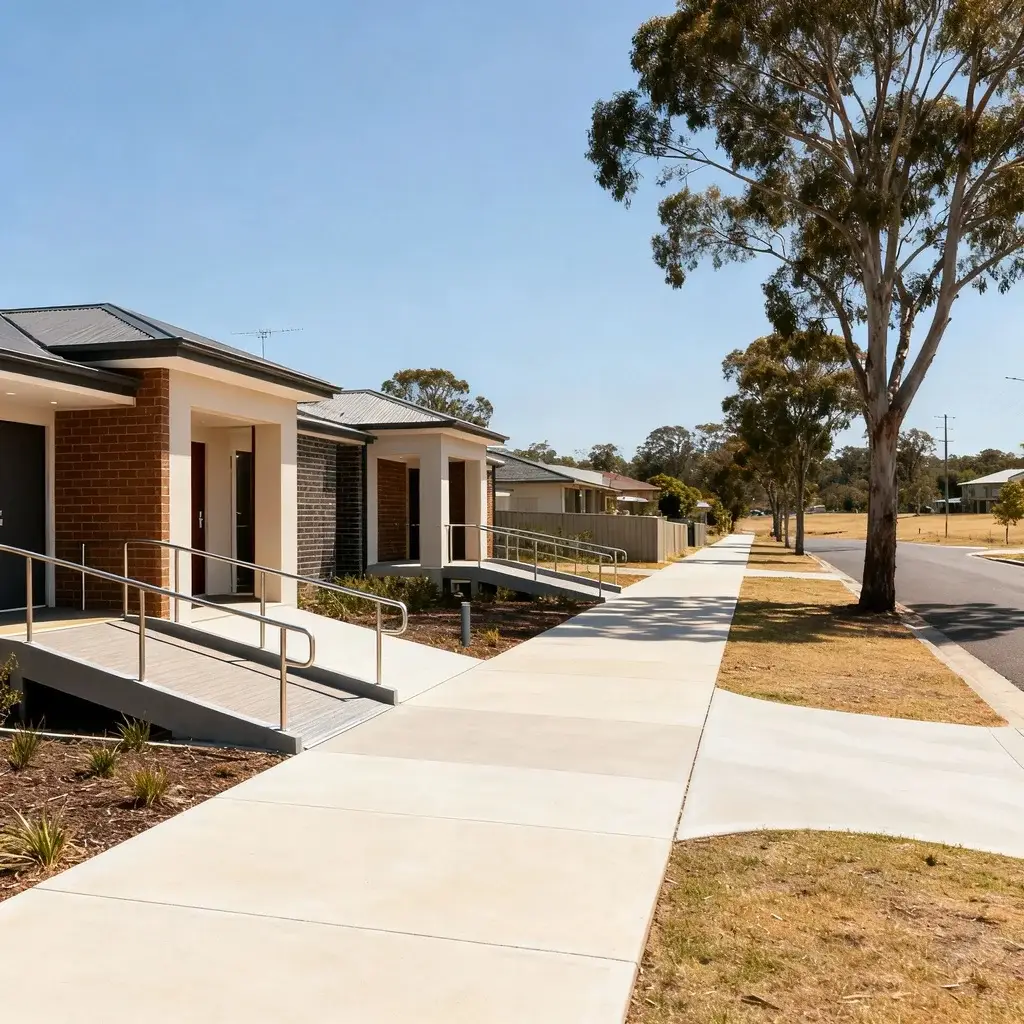
Aged care at home South West Sydney from Guia. Reliable support workers who show up consistently and become part of your family’s everyday routine.

NDIS allied health support sydney from Guia. Reliable support workers who show up consistently and become part of your family’s circle. Peace of mind fo…
The Allied Health and NDIS Decision Guide
How NDIS-funded exercise physiology and allied health builds long-term wellbeing — and how to know if it's the right call for your plan.
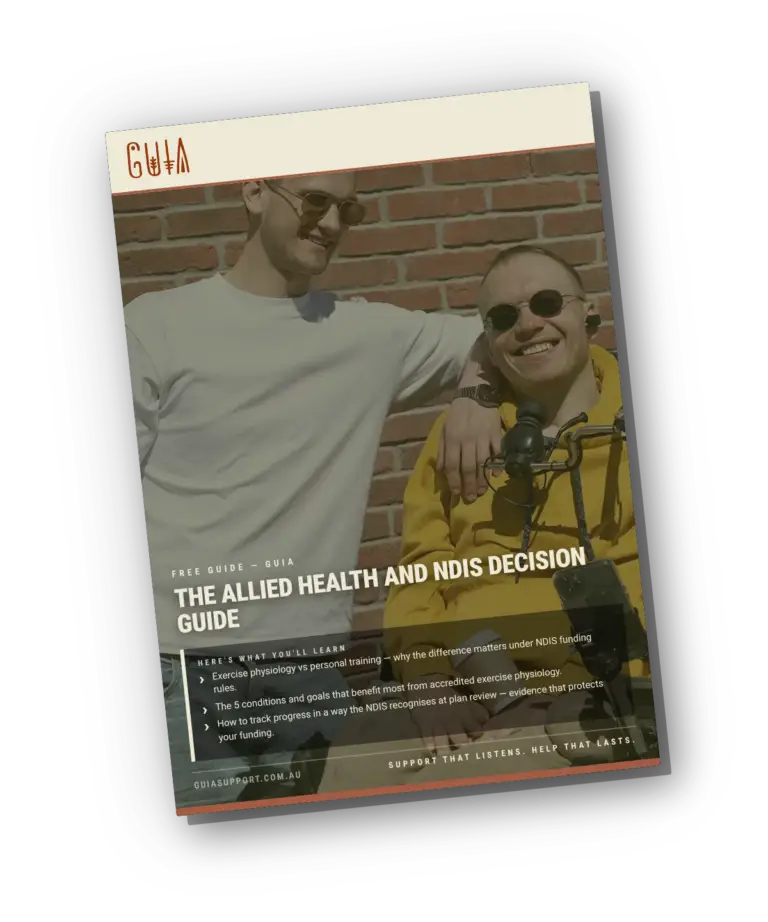
Here's What You'll Learn:
Exercise physiology vs personal training — why the difference matters under NDIS funding rules.
The 5 conditions and goals that benefit most from accredited exercise physiology.
How to track progress in a way the NDIS recognises at plan review — evidence that protects your funding.
ARE YOUR NDIS SUPPORTS WORKING FOR YOU?
GET A FREE NDIS PLAN MANAGEMENT REVIEW